Russian strike causes complete blackout at Zaporizhzhya NPP
4 July 2025 21:54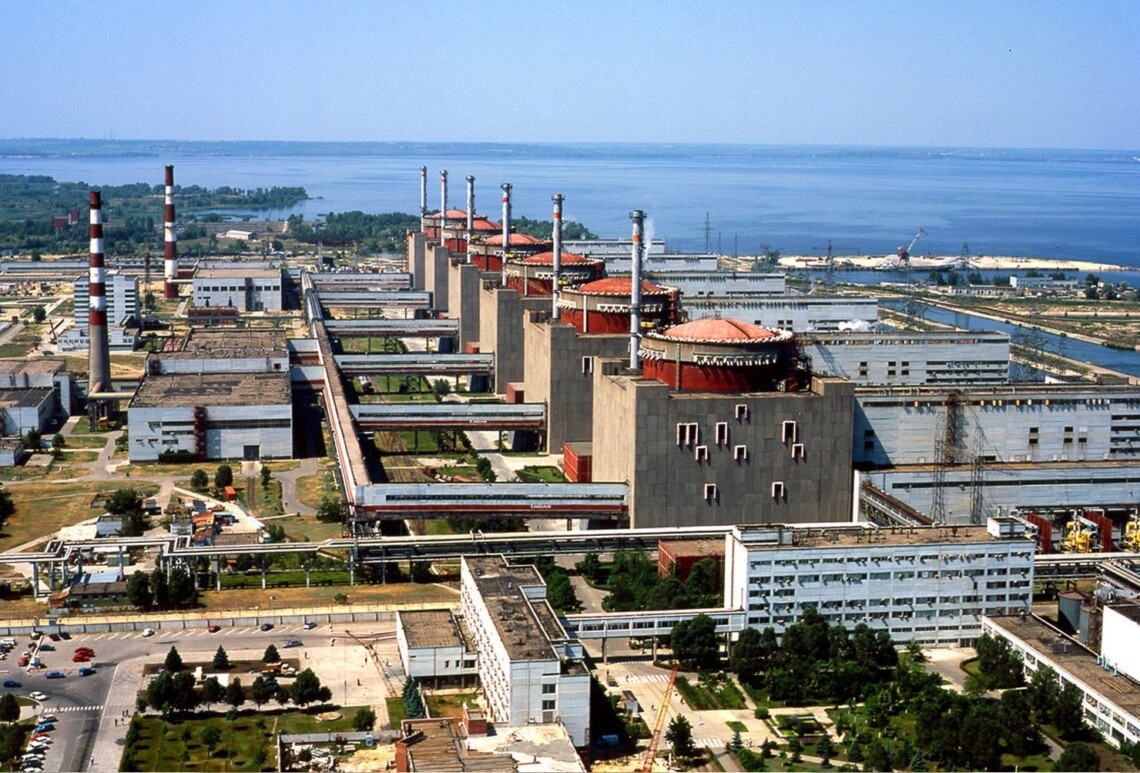
As a result of a Russian strike on the power line connecting the temporarily occupied Zaporizhzhya nuclear power plant to the unified energy system of Ukraine, another complete blackout occurred at the plant.
This was announced by Energy Minister Herman Galushchenko, "Komersant Ukrainian" reports.
According to him, the damaged line met the minimum needs of the plant to maintain radiation safety.
“This is another act of nuclear terror by the Russians,” the minister said.
After that, Energoatom clarified that ZNPP switched to power from diesel generators, the only source that allows maintaining critical nuclear fuel cooling systems. This is the eighth complete blackout at ZNPP since the beginning of the full-scale Russian invasion.
Previously, according to the IAEA, since May 7, 2025, the plant relied on only one power line, which made it vulnerable to outages. The latest strike, according to Energoatom, damaged the only operating line, which remained in a functional state.
Context:
- ZNPP has been under Russian occupation since March 2022.
- Russia declared the plant “Russian property” after a pseudo-referendum.
- The international community demands that the plant be returned to Ukrainian control or demilitarized.
- Moscow rejects proposals for joint international management and refuses to transfer ZNPP to Ukraine.
Consequences:
A complete loss of external power is one of the most dangerous situations at a nuclear facility. If the diesel generators stop working, there is a risk of cooling systems failing, which could lead to a radiation disaster.
on March 4, 2022, Russian troops seized ZNPP after fighting in the city of Enerhodar (Zaporizhzhia region). Since then, the plant has been under full Russian control, although the ZNPP staff are mostly Ukrainian workers who work under pressure from the occupation administration.
Militarization of the plant:
- Russia has turned the nuclear facility into a military base: heavy equipment, artillery, air defense, and personnel were deployed on the territory of ZNPP.
- From there, the Russians regularly shelled Ukrainian positions, using the nuclear power plant as a shield.
Nuclear danger:
- NPPs have been repeatedly damaged by shelling:
- Power lines,
- Auxiliary infrastructure,
- Cooling systems.
- The plant has repeatedly switched to emergency mode, and the eighth blackout occurred on July 4, 2025.
Seizure and pressure on the staff:
- Employees were forced to sign contracts with the Russian state-owned company Rosatom.
- Some staff were abducted, some were tortured, and others were forced to resign and evacuate.
International reaction
- TheIAEA (International Atomic Energy Agency) regularly records security violations at the plant.
- IAEA Director General Rafael Grossi has repeatedly called for the creation of a safe zone around the plant, but Russia ignores these calls.
- Russia refuses to return ZNPP to Ukraine and does not agree to joint international control.
Potential threats
- Nuclear catastrophe: in case of a power outage or a breakdown in reactor cooling, overheating and radiation release is possible.
- Provocations: Russia may stage accidents or shelling to blame Ukraine.
- Use of the plant as a blackmail tool: by Moscow to put pressure on Western countries and Ukraine.
As of July 2025:
- None of the power units are operating in normal mode (reactors are switched to cold/hot state).
- The plant is powered by diesel generators after the last power line strike.
- russia continues to control the facility and use it to cover its troops.
The occupied ZNPP is one of the main nuclear threats in Europe since Chernobyl. russia has turned it from an energy facility into a lever of nuclear blackmail, which requires a strong response from the international community.