Rosneft saw its net profit drop by nearly 73%
1 April 20:57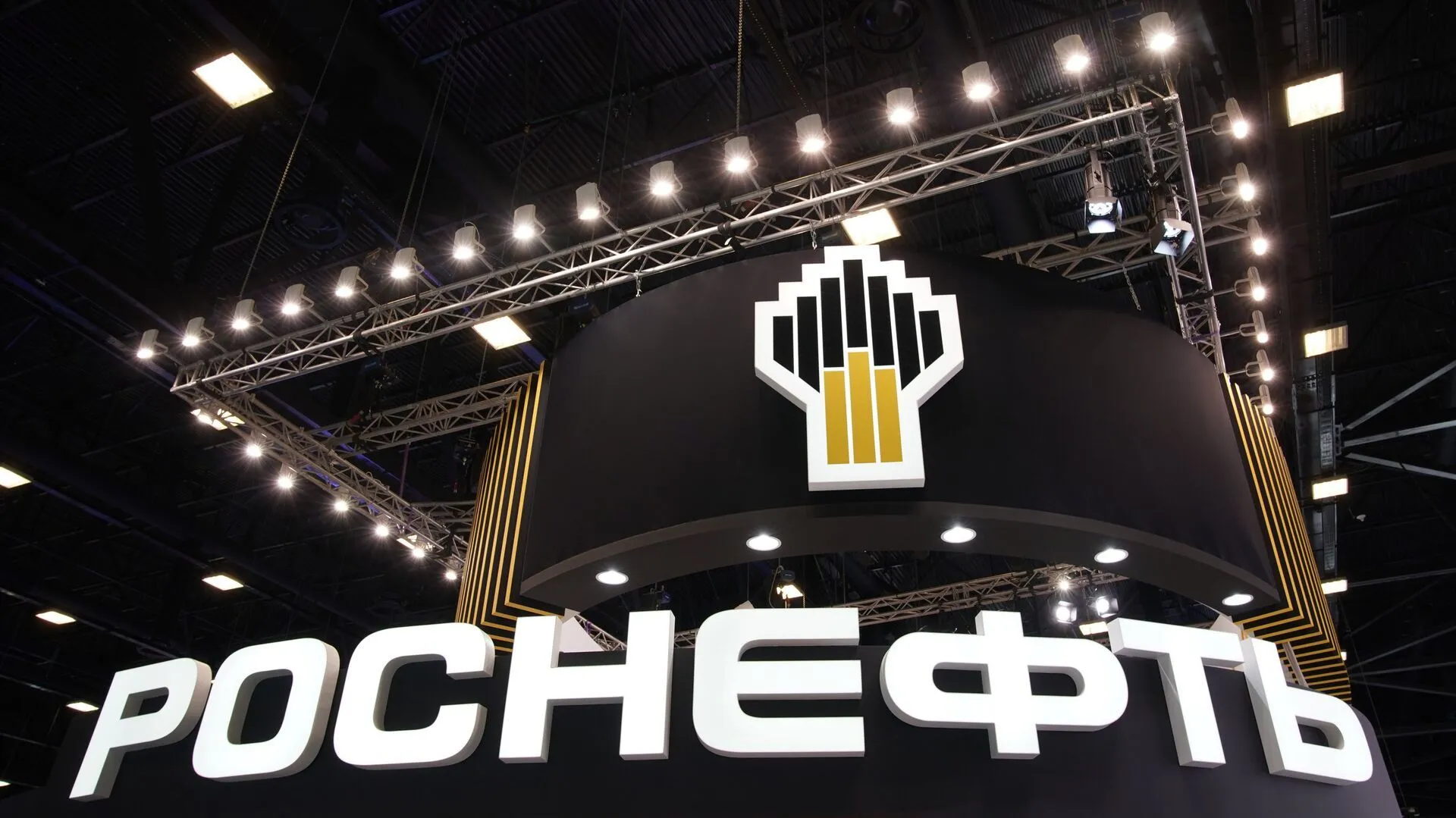
Russia’s largest oil producer, Rosneft, reported a nearly 73% drop in net profit for 2025. The decline was attributed to high interest rates, an increased tax burden, and geopolitical factors. This was reported by "Komersant Ukrainian" , citing Reuters.
According to the company, Rosneft’s net profit in 2025 amounted to 293 billion rubles—about $3.6 billion at the current exchange rate. The decline compared to the previous year reached nearly 73%.
The company’s CEO, Igor Sechin, a longtime ally of Vladimir Putin, called last year a “perfect storm” for the Russian oil industry—due to a combination of negative geopolitical factors and challenging domestic macroeconomic conditions.
Why profits fell while prices rose
The decline in profitability is occurring against the backdrop of rising global oil prices. The benchmark Russian Urals crude currently costs $123.45 per barrel. This price increase is linked to the war in the Middle East, which began in late February 2026.
However, for Rosneft itself, high prices do not offset internal problems:
- high interest rates have increased the cost of servicing loans;
- an increase in income tax has taken a significant portion of revenues;
- record-high logistics costs —due to sanctions and changes in export routes.
Freight Shock
Sechin noted that in March 2026, the cost of chartering tankers to transport Russian oil from Baltic ports to India exceeded $20 per barrel. This is ten times higher than the cost of shipping to Europe in early 2022, before the full-scale invasion of Ukraine.
As a reminder, in October 2025, the U.S. imposed sanctions against Russian oil giants Rosneft and Lukoil. The restrictions were intended to increase pressure on the aggressor country and push Vladimir Putin toward negotiations with Ukraine.
The companies’ European assets were also hit. Several European countries where Lukoil’s oil refineries are located began urgently seeking ways to avoid halting production. In January 2026, the company announced an agreement with the American investment fund Carlyle to sell its international assets.
The impact of the sanctions was also felt at other facilities. In particular, Lukoil’s assets at Chisinau Airport were transferred to Moldovan state ownership, and the company itself paid a fine of $300,000.