U.S. intelligence believes Iran will not open the Strait of Hormuz – media reports
4 April 20:11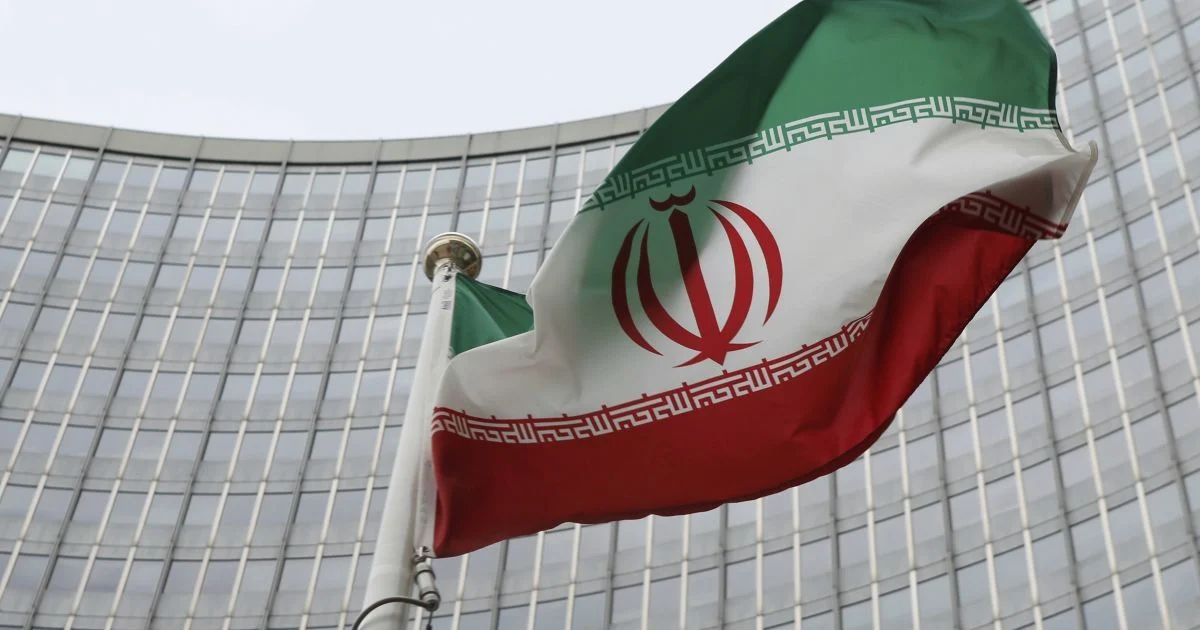
Iran is unlikely to reopen the Strait of Hormuz in the near future, as control over the world’s most critical oil export route is its only real leverage against the United States. This conclusion is contained in recent U.S. intelligence reports, Reuters reported on Saturday, April 4, citing sources familiar with the situation, as reported by "Komersant Ukrainian".
According to their data, Tehran is likely to continue blocking shipping in the strait to keep energy prices high and thereby put pressure on U.S. President Donald Trump.
The intelligence reports also suggest that a war aimed at undermining the Islamic Republic’s military power could backfire and strengthen Iran’s influence in the region by virtue of its control over a key waterway for oil transport, Reuters notes.
Experts: Iran’s Ability to Influence Markets Is “More Powerful Than Nuclear Weapons”
According to experts, Tehran understands that its ability to influence global energy markets by controlling the straits is “far more powerful than even nuclear weapons,” the agency notes. “In an attempt to prevent Iran from developing weapons of mass destruction, the U.S. has handed Iran weapons of mass destruction,” Ali Vaez, director of the Iran project at the International Crisis Group, told Reuters.
Trump: Just a little more time—and we’ll open the Strait of Hormuz
U.S. President Donald Trump stated once again yesterday that the U.S. could easily open the Strait of Hormuz, but that Washington needs “a little more time” to do so.
“A little more time—and we will easily be able to open the Strait of Hormuz, take the oil, and make a fortune,” he wrote on his Truth Social platform on April 3.
At the same time, analysts have repeatedly warned that an attempt to use force to open the strait could prove costly and drag the U.S. into a protracted ground war, Reuters notes.
Since the start of the war between the U.S. and Israel against Iran, the Strait of Hormuz has been effectively blocked by the Iranian military. Before the war, about 20% of global oil and liquefied natural gas shipments passed through this route.