Saudi Arabia has resumed operations on the East-West oil pipeline
12 April 17:19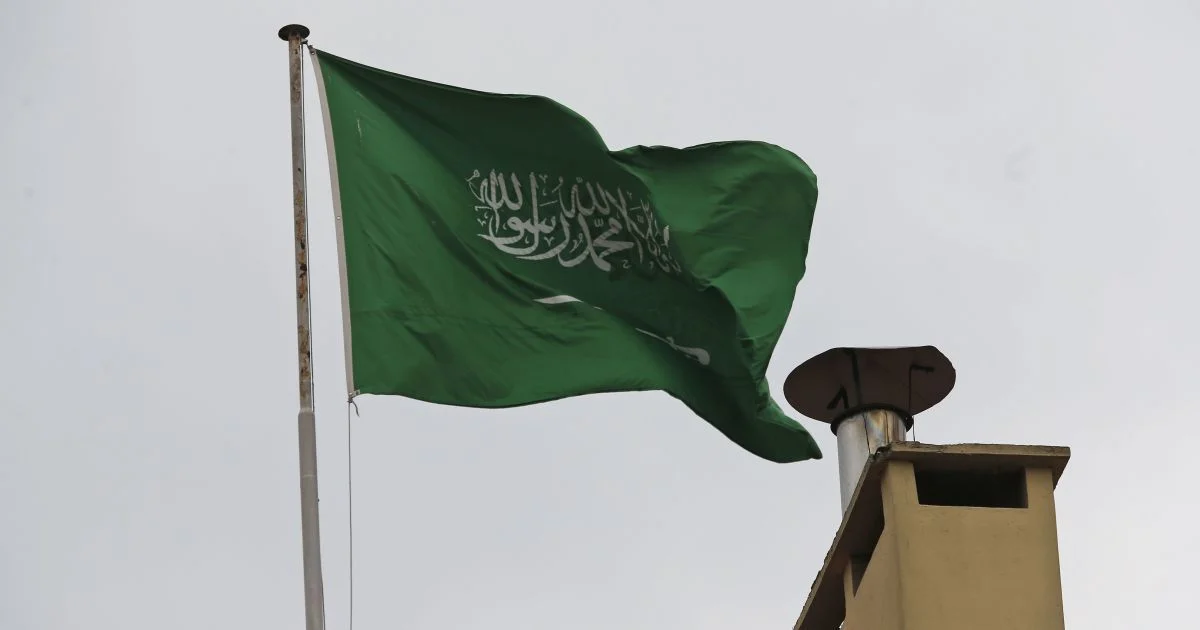
On Sunday, April 12, the Saudi Arabian Ministry of Energy announced that the energy facilities and the East-West pipeline, which had been damaged by Iranian attacks, had been restored and were back to normal operation, according to "Komersant Ukrainian".
Previously, strikes on the infrastructure had led to a loss of about 700,000 barrels per day in pipeline capacity. The Iranian attacks also affected production at the Manifa field—where production has already resumed—and the Khurais field, where work to restore full production is ongoing.
Iran attacked the energy infrastructure of its oil-rich neighbors prior to the start of a fragile two-week ceasefire with the U.S., which took effect on April 7. Tehran accused Gulf states of allowing U.S. forces to launch strikes against Iran from their territories during the war that began following Israeli-American strikes on Iran on February 28.
Extent of the damage
Iran’s strikes targeted facilities in Riyadh, the Eastern Province, and the industrial city of Yanbu, as well as oil and gas production, transportation, and processing infrastructure, petrochemical plants, and energy facilities.
On April 10, Riyadh confirmed that weeks of Iranian attacks had damaged oil production facilities and claimed one life. A total of three people have died in Saudi Arabia since the start of the war.
The East-West Oil Pipeline (Petroline) has become an economic lifeline for the kingdom during wartime. The pipeline, approximately 1,200 km long, connects the eastern coast with the Red Sea in the west. With the Strait of Hormuz effectively closed by the Iranian military, this route ensured an uninterrupted supply of oil.