The US has updated its nuclear strategy: what has changed
22 November 2024 17:34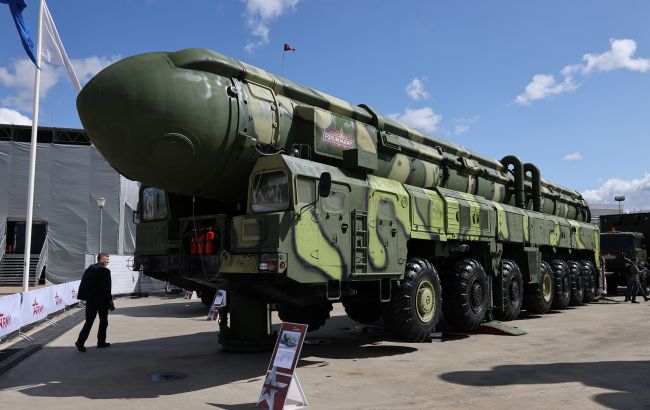
According to the U.S. Department of Defense, the strengthening of China’s and Russia’s nuclear capabilities, as well as the possible absence of nuclear arms control agreements after February 2024, require adjustments to U.S. nuclear policy. This is stated in the report of the U .S. Department of Defense, "Komersant Ukrainian" reports.
According to the Department of Defense, the United States and its allies are facing a growing number of nuclear adversaries. Richard K. Johnson, Deputy Assistant Secretary of Defense, emphasized that nuclear weapons continue to play an important role in the national security of the country. He also emphasized that non-nuclear capabilities must be integrated to deter multiple adversaries with nuclear weapons.
But nuclear deterrence alone is not sufficient to address strategic threats. She emphasizes the role of arms control, risk reduction and nuclear non-proliferation. Grant Schneider, Deputy Director for Strategic Stability at the Joint Staff, added that to prepare for future challenges, nuclear forces, command and control, and infrastructure must be modernized.
“To be ready for the 2030s, we must modernize our nuclear forces, nuclear command and control, and related infrastructure that will allow us to be flexible and adapt over time to new challenges, whether it be new threats or potential changes or delays in our modernization,” Schneider said.
Therefore, the Pentagon has taken steps to strengthen nuclear deterrence and flexibility, as well as to reduce risk within the nuclear modernization program.
In particular, the United States
- plans to deter several nuclear adversaries simultaneously;
- require integration of non-nuclear capabilities, where possible, to support the nuclear deterrence mission;
- emphasize the importance of escalation management in U.S. response planning to a limited nuclear attack or a non-nuclear strategic attack with high consequences;
- seek to ensure deeper consultation, coordination, and joint planning with allies and partners to strengthen the U.S. extended deterrence commitment.