The U.S. Begins a Naval Blockade of Iran: What Is Known About Trump’s Decision
13 April 11:58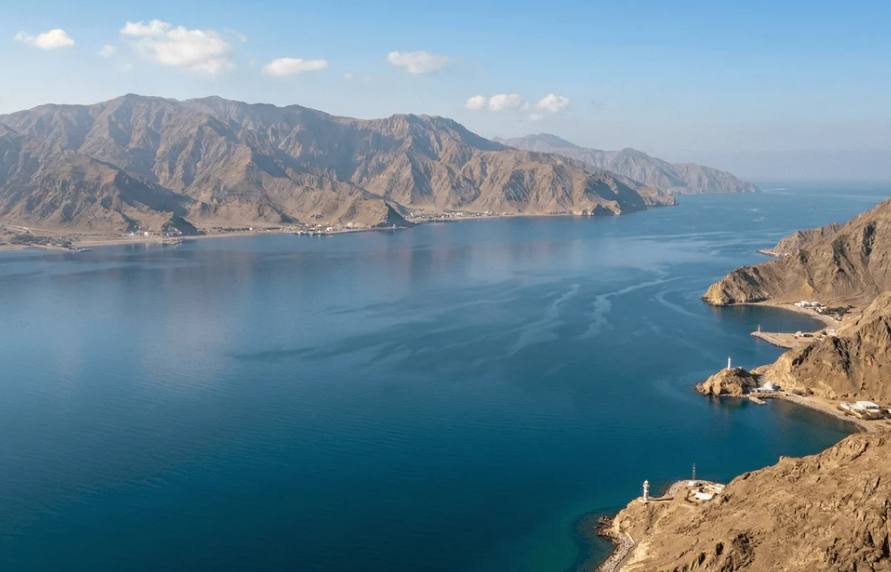
U.S. Central Command announced the closure of entry and exit points to Iranian ports effective today. The announcement was posted on X, according to "Komersant Ukrainian"
This decision was made by order of U.S. President Donald Trump following the collapse of negotiations with Iran.
Washington emphasizes that the blockade will be applied impartially to vessels of all countries if they are heading to or departing from Iranian ports in the Persian and Omani Gulfs.
At the same time, the U.S. stated that it would not impede freedom of navigation for ships passing through the Strait of Hormuz to non-Iranian ports and back.
When does the naval blockade of Iran begin?
The blockade is set to begin on April 13 at 10:00 a.m. Eastern Time. This corresponds to daytime in Europe.
The shipping community will be separately notified of the implementation of the regime via official notices to commercial mariners.
What exactly is the U.S. blocking
A key clarification is that the U.S. has not announced a complete closure of the entire Strait of Hormuz to all vessels, but rather a blockade of shipping specifically related to Iranian ports. This means that vessels heading to other countries in the region should not formally be subject to the new restrictions.
At the same time, President Donald Trump separately stated that the U.S. will seek out and detain vessels that have paid Iran a transit fee. He also emphasized that Washington will not allow Tehran to profit from its control over this sea route.
Why Trump took this step
According to reports by Reuters and AP, the decision to impose a naval blockade was made after negotiations between the American and Iranian delegations in Pakistan failed to yield results. Disagreements over Iran’s nuclear program, maritime access, and general conditions for de-escalation are cited as one of the main reasons for the breakdown of the talks.
Trump publicly emphasized that the United States’ key priority is to prevent Iran from acquiring nuclear weapons. He also made it clear that Washington has no intention of tolerating maritime blackmail in the Strait of Hormuz.
Read us on Telegram: important topics – without censorship
What will happen to the Strait of Hormuz
The Strait of Hormuz remains a critically important route for the global energy market. A significant portion of the world’s maritime oil and gas shipments passes through it, so any restrictions immediately affect markets, ship insurance, and carrier behavior. Reuters notes that the blockade is primarily intended to halt Iranian oil exports, estimated at approximately 2 million barrels per day.
Despite U.S. statements about maintaining freedom of passage for non-Iranian routes, AP reports that shipping in the Strait has already dropped sharply, and some traffic has effectively ground to a halt due to high risks of escalation.
What Iran’s response might be
The Iranian side has already warned of a possible response to any attempts at coercive pressure. According to Reuters, representatives of the Islamic Revolutionary Guard Corps have made it clear that they will view the approach of hostile military forces as a threat to the ceasefire and may respond with force.
How this affected the markets
Following reports of the blockade , oil prices surged. Reuters and AP report that markets reacted with a spike in prices as traders factored in the risk of a halt to Iranian exports and further destabilization of the entire region.
Read us on Telegram: important topics – without censorship