Court in Warsaw extends arrest of Ukrainian suspected of sabotage at Nord Stream pipeline
6 October 2025 21:12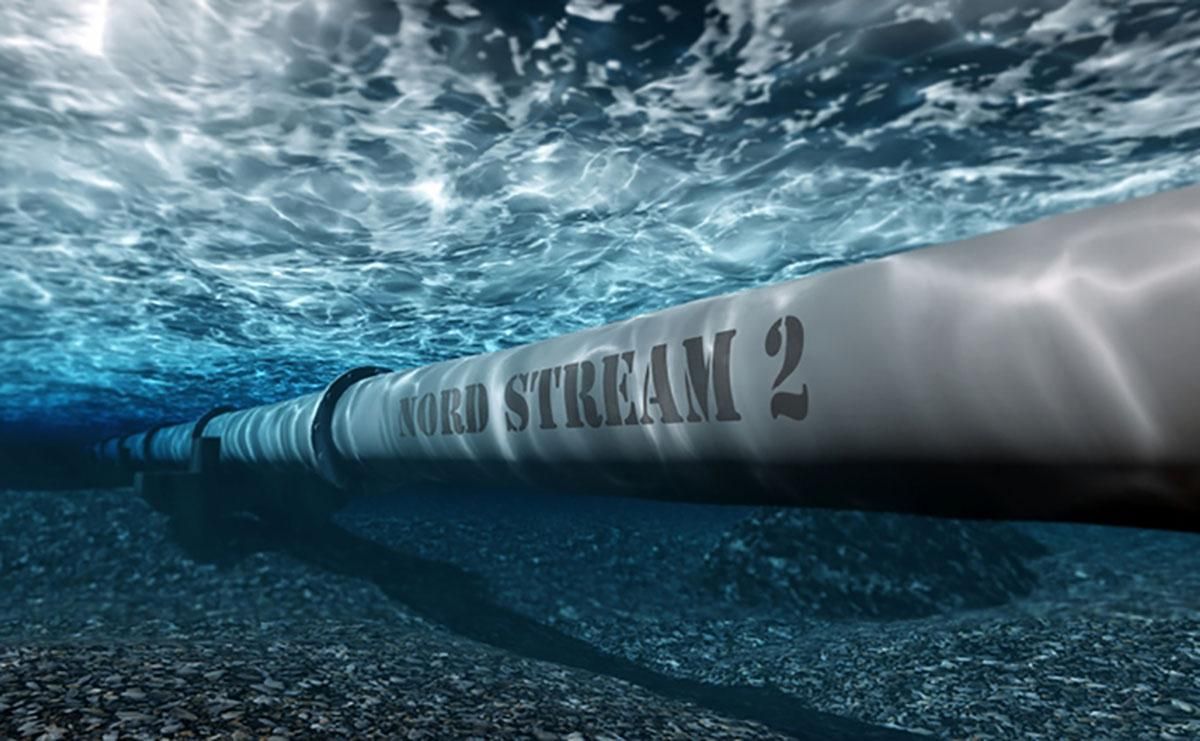
on October 6, a Warsaw court ruled to keep Ukrainian Volodymyr Zh. in custody for another 40 days, who is suspected by German prosecutors of involvement in the September 2022 bombing of the Nord Stream 1 and Nord Stream 2 gas pipelines.
This was reported by the Polish edition Onet News with reference to the detainee’s lawyer, "Komersant Ukrainian" reports.
“This decision did not come as a surprise to us. The court extended the term of detention not for 100 days, but for 40 days,” the Ukrainian’s lawyer said, calling the approach of the Polish judiciary “very conservative” and one that could “have consequences.”
Investigation version
According to German prosecutors, Vladimir Zh. is a diving instructor. In September 2022, he allegedly set sail from Rostock on a yacht to the Baltic Sea, where he dived and planted explosives on underwater pipelines.
He was detained in Poland on September 30, 2025, and arrested on October 1.
Undermining the Nord Stream pipelines
on September 26, 2022, powerful explosions occurred on three of the four lines of the Nord Stream 1 and Nord Stream 2 gas pipelines connecting Russia and Germany. They caused a large-scale gas leak in the Baltic Sea.
The US, UK, and EU immediately claimed sabotage. Russia accused the West, while Western media and investigators speculated on various versions, ranging from Russian actions to possible Ukrainian involvement. President Volodymyr Zelenskyy has repeatedly denied Kyiv’s involvement.
Investigations in Europe
- Germany: the investigation is ongoing; in August 2025, it issued arrest warrants for six Ukrainians. One of the suspects is Sergiy Kuznetsov, who was detained in Italy.
- Sweden and Denmark: closed their investigations in 2024 due to lack of jurisdiction.
- Media versions: Der Spiegel wrote that the saboteurs also planned to attack the Turkish Stream, but the operation was foiled.
- TheWSJ reported that German investigators are checking the version of the possible role of former Ukrainian Armed Forces Commander-in-Chief Valeriy Zaluzhnyi.
Why it matters
The Nord Stream bombing was one of the most high-profile sabotage attacks in Europe in recent decades. It not only dealt an economic blow to Russia and affected the EU’s energy security, but also triggered a wave of political speculation.
The Polish court’s decision continues a dramatic legal story that is directly related to geopolitical tensions and the question of responsibility for sabotage.