A severe geomagnetic storm has hit Earth: forecast data
1 April 09:18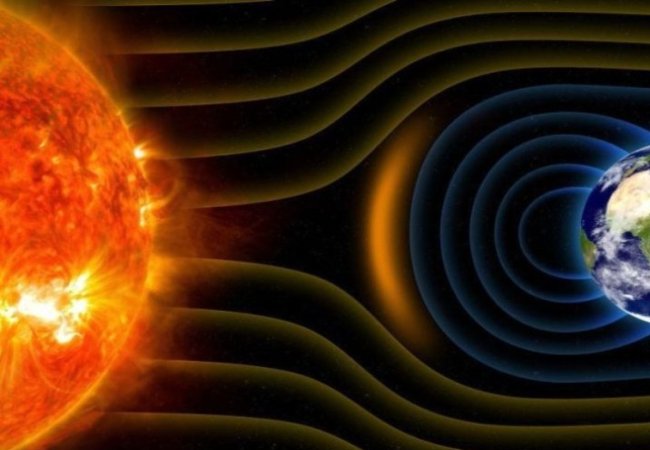
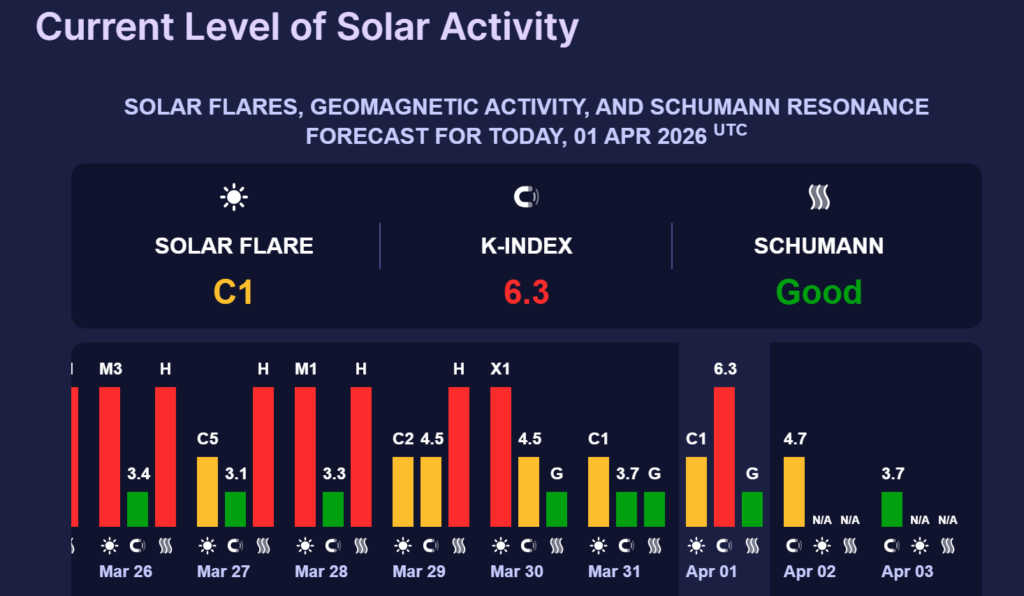
On April 1, increased solar activity was recorded on Earth. According to space weather monitoring data, the magnetic storm reached a K-index of 6.3, corresponding to strong geomagnetic disturbances. This was reported by Meteoagent, as noted by "Komersant Ukrainian"
The intensification of geomagnetic conditions is linked to a coronal mass ejection following a powerful X1.4-class solar flare. NOAA also confirmed this flare and the associated CME, and had previously issued a warning about a G2 storm on March 31.
What happened on the Sun
At the end of March, a powerful X1.4-class solar flare occurred on the Sun, causing brief radio disruptions on the sunlit side of Earth, particularly in parts of Asia and Australia. Following this, a coronal mass ejection was ejected into space, partially directed toward Earth.
It is precisely such eruptions that can trigger magnetic storms when charged particles reach Earth’s magnetosphere and disrupt it. NOAA forecasted at least a G2 (moderate) geomagnetic storm due to this event, and space weather reports also mentioned the possibility of stronger fluctuations.
How strong will the magnetic storm be on April 1?
According to Meteoagent, a K-index of 6.3 is forecast for April 1, meaning a red-level storm.
As a reminder, geomagnetic activity is typically rated on a scale from 0 to 9, and values of 5 and above are already considered a magnetic storm.
When will the magnetic storm begin to subside?
According to Meteoagent, citing space weather data, geomagnetic activity is expected to drop to approximately 4.7 on April 2 and to 3.7 on April 3.
This means a gradual return to calmer conditions.
How a magnetic storm can be felt
Increased geomagnetic activity primarily affects satellite communications, navigation, radio signals, and the aurora. NOAA has explicitly stated that the current CME could intensify auroral phenomena and increase the risk of disruptions in high-frequency communications.
Why magnetic storm forecasts can change
Space weather forecasts are dynamic. They are updated as new data from satellites and ground-based observations come in. That is why one service may show a red alert for a specific date, while another may already indicate a weakening. This is normal for forecasting events related to CMEs and geomagnetic disturbances.
How a magnetic storm can affect your well-being
During periods of strong magnetic storms, people often complain of:
- headaches;
- fatigue and drowsiness;
- irritability;
- decreased concentration;
- fluctuations in blood pressure;
- insomnia.
People with cardiovascular diseases, hypertension, and chronic fatigue may be particularly sensitive to such changes.
How to cope with a geomagnetic storm
Doctors recommend following these simple rules on such days:
Key tips:
- drink more water;
- avoid stress;
- get plenty of sleep;
- limit coffee and alcohol;
- spend more time outdoors;
- avoid overexerting yourself physically.
It’s also important to monitor your blood pressure and take any medications prescribed by your doctor if you have chronic conditions.
Are magnetic storms dangerous?
In most cases, magnetic storms do not pose a serious threat to healthy people, but they can cause temporary discomfort.
Experts advise paying closer attention to your well-being, especially on days of increased solar activity.
Read us on Telegram: important topics – without censorship