Trump threatens to withdraw from peace talks in Ukraine
18 April 2025 23:23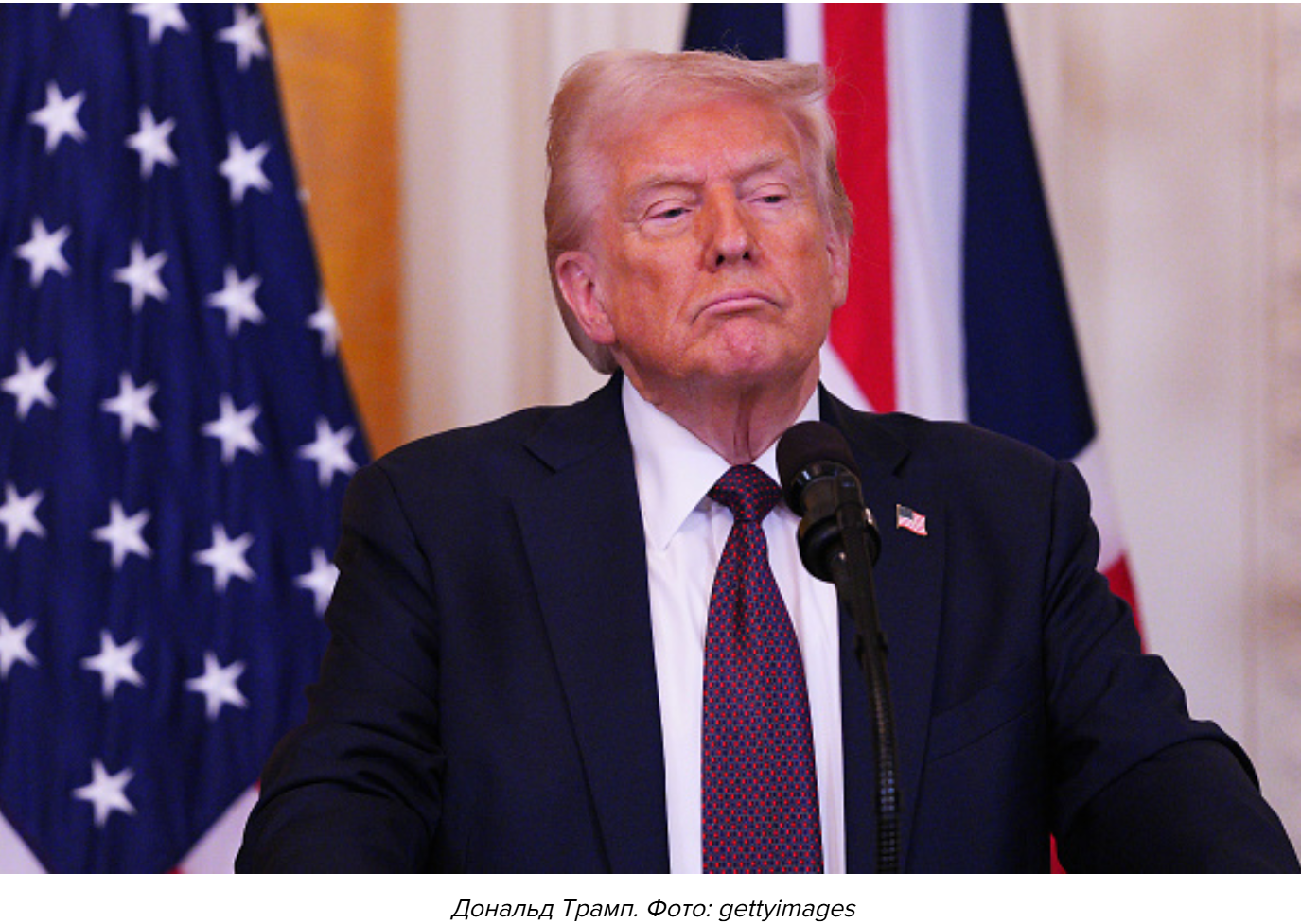
US President Donald Trump has said that the United States will “take a break” from mediating peace talks between Russia and Ukraine if the parties do not show rapid progress. This is reported by "Komersant Ukrainian" with reference to a statement by US President Donald Trump.
Thus, journalists asked him how soon a ceasefire could be introduced in Ukraine.
“There is no exact timeline, but we want to do it quickly. We are talking about lives. People are dying,” Trump emphasized in response.
According to him, 2,500 people die every week in a fierce battle. Therefore, the United States is “ideally” going to stop it.
“If for some reason one of the parties creates serious obstacles, we will simply say: “You are fools, you are terrible people,” and we will give up everything. But we hope it won’t come to that. Marco (Secretary of State Marco Rubio – ed.) is right when he says that we want it to be over,” the president emphasized.
He also added that many people are dying every day while “someone continues to play games. And the United States is not going to stand for it.
At the same time, Trump noted that there is a “good chance” of solving this problem. And he would “not want to talk” about the US withdrawing from peace talks.
.@POTUS on the Russia/Ukraine war: “We want to save these lies. 2,500 a week are being killed in battle. It’s a vicious battle… We’re going to get it stopped.” pic.twitter.com/IR5V0L5msv
– Rapid Response 47 (@RapidResponse47) April 18, 2025
Peace or frozen conflict? Why the new US initiative is causing controversy among Ukraine’s allies
Washington’s peace initiative, proposed in April 2025, has become a catalyst for heated debate in political circles and among experts. On the one hand, there is a desire to end the protracted war, and on the other hand, there are real risks of legalizing military aggression and revising the international order. The Trump administration’s plan contains compromise proposals that cause serious concern in Kyiv and European capitals.
The main question is what does the “freezing of the war” mean for Ukraine? This is not peace in the classical sense, but a ceasefire without resolving key issues: the status of the occupied territories, security guarantees, and international legal recognition. For Kyiv, such an agreement could become a trap that would negate the sacrifices and efforts to restore territorial integrity.
President Zelenskyy has already stated that “Ukrainian lands are not a subject of bargaining,” and therefore talks about territories are possible only after the end of hostilities.
At the same time, the United States is showing less and less patience. Secretary of State Marco Rubio has explicitly stated that Washington does not plan to drag out negotiations for “weeks and months.” This is a signal that geopolitical expediency is beginning to outweigh a principled position on Ukraine’s sovereignty. This approach sets a dangerous precedent – justifying aggression in exchange for geopolitical “order.”
No less worrisome is the issue of sanctions. The idea of easing them in exchange for a ceasefire contradicts the position of some EU countries, which emphasize that sanctions are an instrument of pressure, not a diplomatic bargaining chip. Their lifting without the full restoration of Ukraine’s control over all territories could lead to further erosion of international law standards.
European partners are trying to influence the situation by proposing the creation of a post-war “peacekeeping force” and a package of security guarantees for Ukraine. However, without U.S. support, this plan looks like a half-orphan. And most importantly, without Russia’s political will to adhere to the agreements, all plans remain on paper.
Ultimately, the US peace initiative is only the beginning of a new stage of the struggle for Ukraine’s future: diplomatic, legal, and symbolic. But right now, the answer to the key question is being formed: will peace mean justice or will it become a convenient cover for surrender?
Follow us on Telegram: the main news in brief