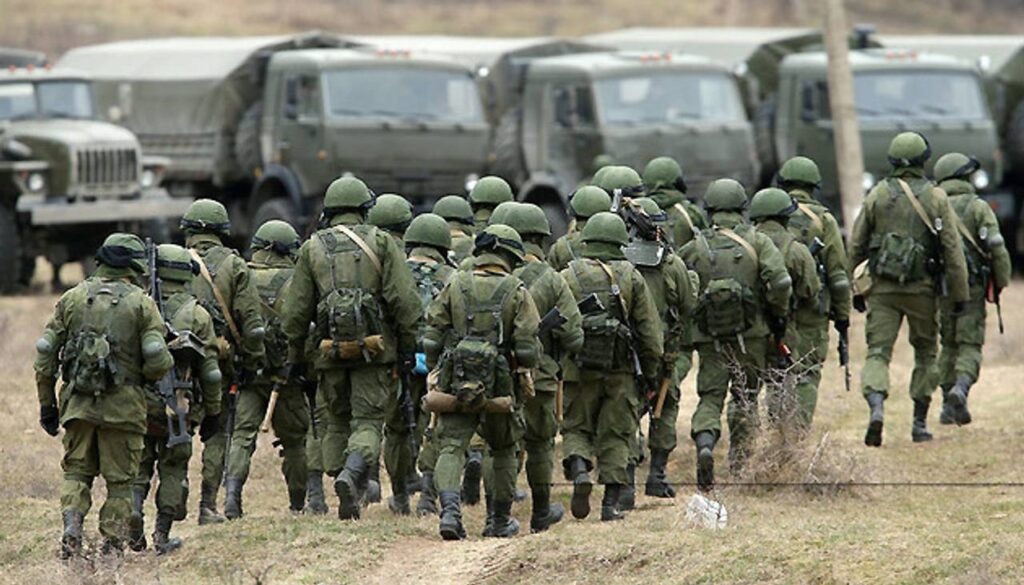
Oil prices fluctuate due to the escalation of the conflict between Israel and Iran
16 June 2025 09:08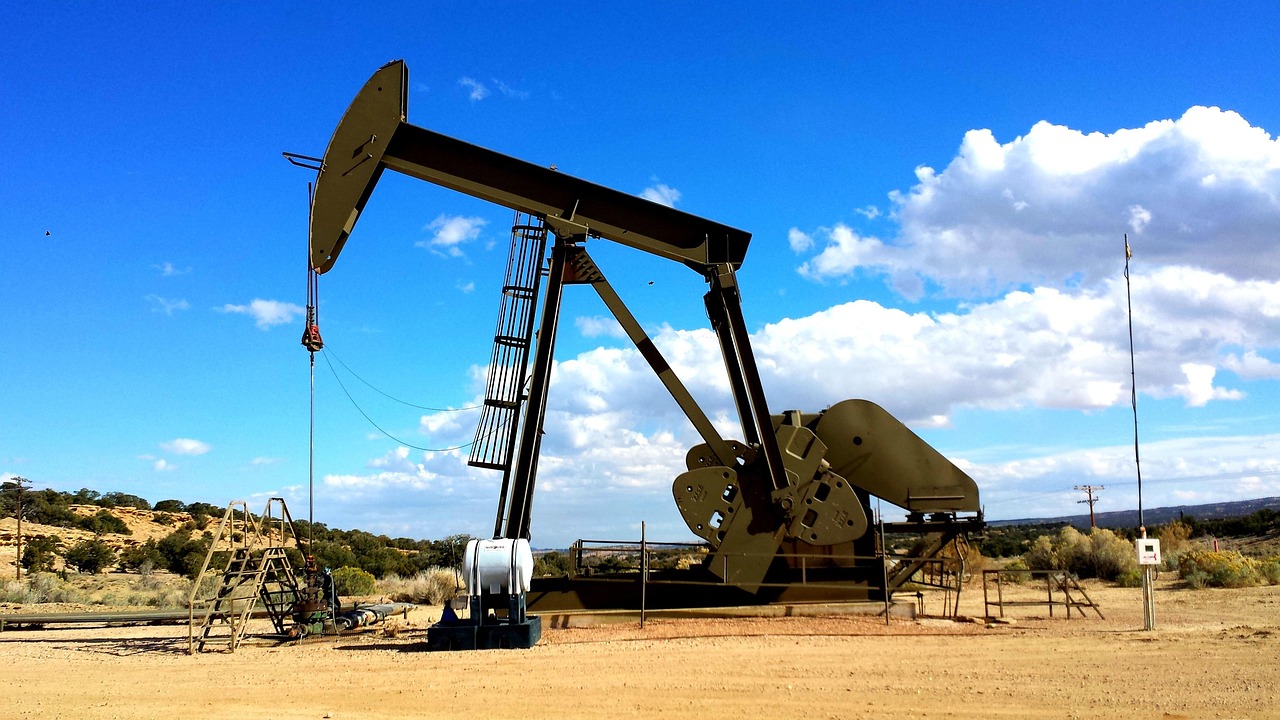
World oil prices are showing high volatility on Monday after a sharp 7% rise on Friday. The resumption of mutual strikes between Israel and Iran over the weekend has heightened fears of a possible expansion of the conflict across the region and significant disruption to oil exports from the Middle East, "Komersant Ukrainian" reports citing Reuters.
Futures for Brent crude oil rose by 64 cents, or 0.86%, to $74.87 per barrel as of 07:07 Kyiv time, while futures for US West Texas Intermediate rose by 76 cents, or 1.04%, to $73.74 per barrel. Earlier during the trading session, prices rose by more than $4 per barrel, but also briefly fell into negative territory.
Both benchmarks closed 7% higher on Friday, jumping more than 13% during the session to their highest levels since January of this year.
Escalation of hostilities
Iranian rockets struck Tel Aviv and the port city of Haifa in Israel on Monday, destroying homes and heightening concerns among world leaders at this week’s G7 meeting that the battle between the two longtime enemies could spark a broader regional conflict.
An exchange of strikes between Israel and Iran on Sunday resulted in civilian casualties, with both armies calling on civilians on the opposite side to take precautions against further attacks.
Threat to key transportation routes
Recent events have heightened concerns about possible disruptions in the Strait of Hormuz, a vital shipping lane. Approximately one-fifth of the world’s oil consumption, or about 18-19 million barrels per day of oil, condensate and fuel, passes through the strait.
“The purchases were triggered by the ongoing conflict between Israel and Iran, which has no resolution in sight. But, as we saw last Friday, there was some selling due to fears of an overreaction,”
– said Toshitaka Tazawa, an analyst at Fujitomi Securities.
Читайте нас у Telegram: головні новини коротко
Potential implications for the global market
While markets are watching for possible disruptions to Iranian oil production due to Israeli strikes on energy facilities, heightened fears of a blockade of the Strait of Hormuz could push prices up sharply, Tazawa added.
Iran, a member of the Organization of the Petroleum Exporting Countries (OPEC), currently produces about 3.3 million barrels per day and exports more than 2 million barrels of oil and fuel daily.
OPEC’s reserve capacity to increase oil production to compensate for any disruptions is roughly equivalent to Iran’s production, according to OPEC analysts and observers.
Impact on global supplies
“If Iranian oil exports are disrupted, Chinese refiners, who are the only buyers of Iranian barrels, will be forced to look for alternative grades from other Middle Eastern countries and Russian oil. This could also raise freight rates and insurance premiums for tankers, narrow the Brent-Dubai spread and hurt refinery margins, especially in Asia,”
– said Richard Joswick, head of near-term oil market analysis at S&P Global Commodity Insights.
Positions
US President Donald Trump said on Sunday that he hopes that Israel and Iran can reach a ceasefire agreement, but added that sometimes countries have to “work things out” first. Trump said that the US would continue to support Israel, but refused to say whether he had asked his ally to suspend strikes on Iran.
Meanwhile, Iran has told mediators Qatar and Oman that it is not ready to negotiate a ceasefire during Israeli attacks, an official briefed on the communications told Reuters on Sunday.
The situation remains tense, and global markets continue to react to every change in the conflict, making energy prices extremely volatile.
Читайте нас у Telegram: головні новини коротко