In 2025, counterfeit hryvnias significantly decreased in Ukraine
18 December 2025 16:57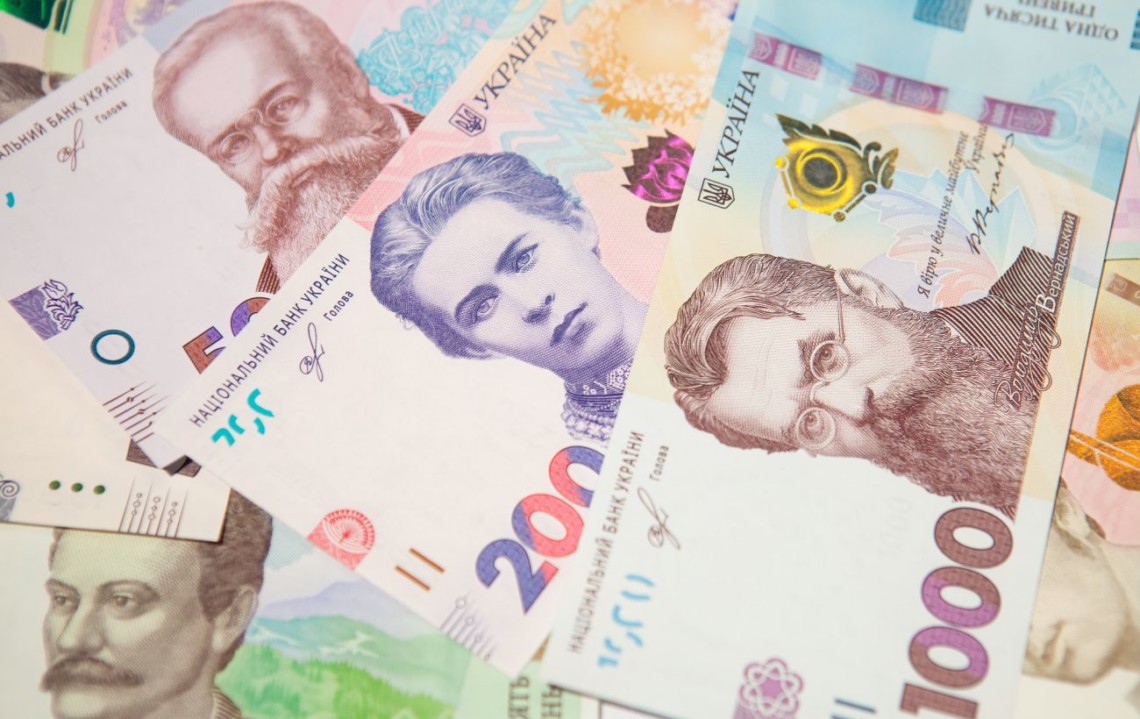
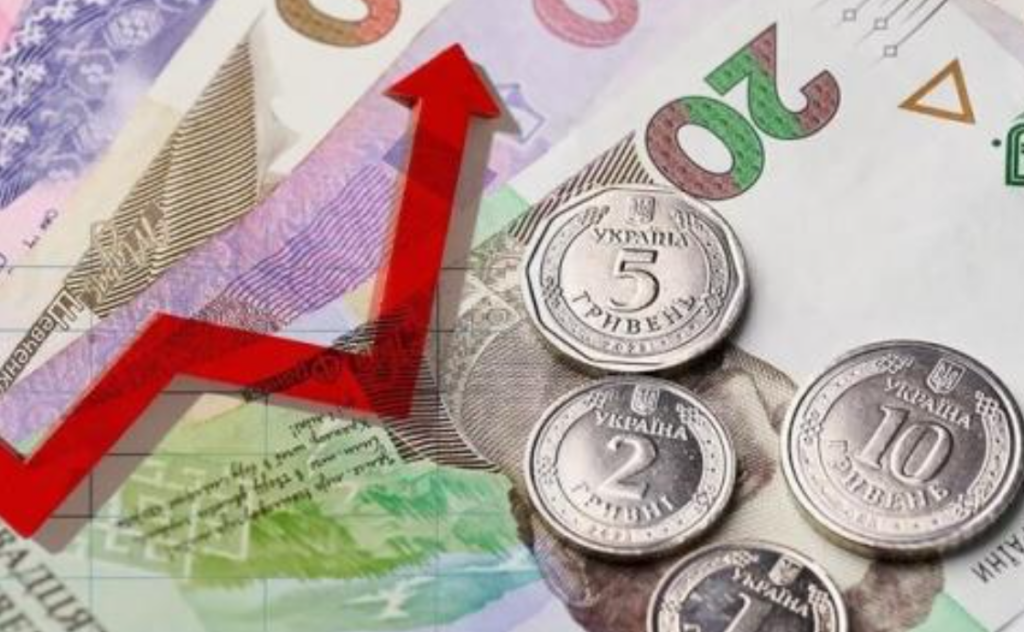
New hryvnia denominations, updated banknote design, and “plastic” currency are topics that periodically appear in the media and cause public outcry. Especially against the backdrop of war, inflationary expectations and European integration.
At the request of "Komersant Ukrainian", the National Bank of Ukraine publicly explained whether new denominations are being prepared, how decisions are made on the appearance of banknotes, how serious the problem of counterfeiting is, and why the hryvnia is still paper.
New denominations and higher denominations
The National Bank has the monopoly right to issue the national currency of Ukraine and organize cash circulation. The regulator explains that it has not yet made any decisions to issue new or higher denominations of banknotes. At the same time, the work on analyzing the cash series is ongoing.
“The NBU is constantly studying the issues of improving and optimizing the denomination range of banknotes and coins, as well as annually assessing the compliance of the denomination range with the indicators of the country’s socio-economic development,” Yulia Yevtushenko said.
Hryvnia design update: only with a public announcement
In its response, the NBU emphasizes that any changes to the design of banknotes do not take place without prior public notice.
“If the National Bank makes appropriate decisions to issue new banknotes or update the design of banknotes already in circulation, they will be communicated to the public in advance in accordance with the established procedure,” the NBU said.
At the same time, the regulator notes that design revision is a common global practice. All the world’s central banks periodically change the design and strengthen the protection of national currencies against counterfeiting, the agency emphasizes.
European experience and public participation
The NBU is studying international approaches to updating banknotes, particularly in the context of Ukraine’s European integration.
“Taking into account Ukraine’s European integration movement, we are studying the experience of the European Central Bank in involving the public in the development of the next generation euro design,” Yulia Yevtushenko said.
The level of hryvnia counterfeiting remains low
The NBU says the situation with hryvnia counterfeiting is under control.
“The National Bank notes a relatively low level of counterfeiting of national currency banknotes,” the regulator said.
Currently, banknotes of the fourth, most modern generation – with an updated design and enhanced security system – are in circulation.
“In order to improve the quality of cash in circulation and minimize the level of counterfeiting, the third-generation banknotes (issued in 2003-2007) are being gradually withdrawn from circulation, while the first and second-generation banknotes (issued before 2003) have ceased to be a means of payment,” the NBU said.
Polymer banknotes: the NBU’s position
The NBU commented separately on the possibility of switching to a polymer base.
“The polymer backing for banknotes does not guarantee one hundred percent protection against counterfeiting,” the NBU said in its response. The NBU points out that the world’s leading central banks are in no hurry to make this transition. The US Federal Reserve and the European Central Bank continue to produce paper-based US dollar and euro banknotes and have no plans to switch to a polymer substrate, the regulator emphasizes.
In addition, Ukraine has its own banknote paper manufacturer.
“It is believed that switching to a polymer substrate is not advisable if the country has a manufacturer of high-quality banknote paper,” the NBU explained.
At the same time, the NBU is working to improve the durability of cash.
“In order to increase durability and resistance to contamination, the 20- and 50-hryvnia banknotes produced and put into circulation in 2024-2025 will have a varnished coating,” the NBU said in its response to the request.
Thus, the NBU is not preparing any drastic steps in its cash policy. No new hryvnia denominations or higher denomination notes are currently being introduced, and any design changes are possible only after a public announcement. The level of hryvnia counterfeiting remains low, and the renewal of banknotes is gradual, with outdated series being withdrawn and existing ones being made more secure. The NBU considers the transition to polymer banknotes to be economically inexpedient, and instead relies on improving the durability of paper banknotes.
The main message of the regulator is stability, predictability, and the absence of “quiet” decisions regarding the hryvnia.