The Ministry of Defence announced a new format of summonses with a QR code
3 October 2024 07:51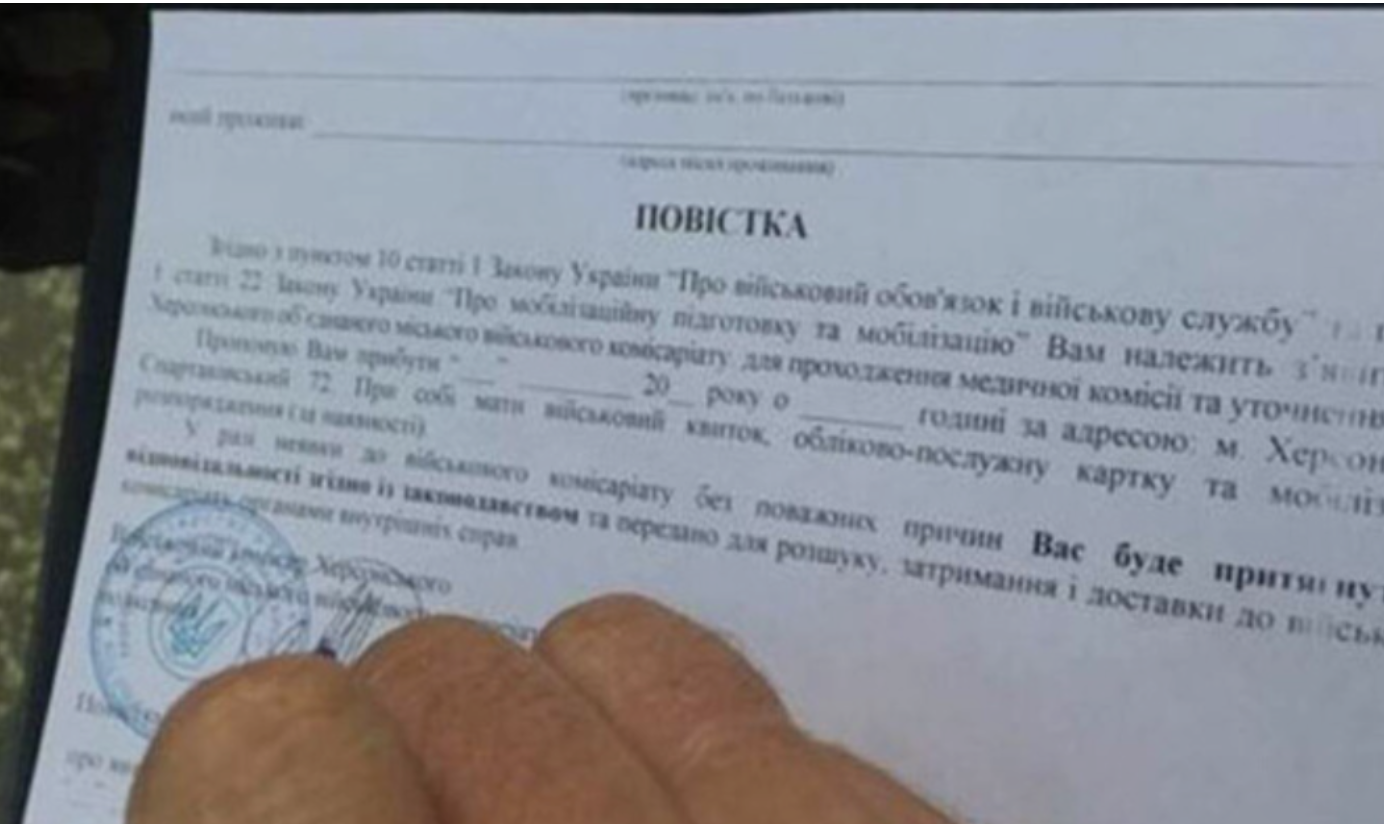
The Ministry of Defence is testing a new format of summonses that will contain a QR code. The innovation is planned to be introduced in the near future, said Deputy Minister of Defence for Digitalisation Kateryna Chernogorenko, "Komersant Ukrainian" reports citing DOU.
It is noted that the QR code placed on each summons will allow the Reserve app to instantly check the validity of the document. The application will have a scanner that can be used to scan this code to obtain information, including
- the validity of the subpoena
- date and number of the document;
- The TCC that issued the summons;
- name of the person who signed the document;
- the purpose of the summons (clarification of data, referral to a military enlistment office, combat summons) and other details.
It is known that summonses can be generated either on a blank form or with the help of the electronic register of conscripts, persons liable for military service and reservists “Oberih”. At the same time, the summonses on the letterhead and those generated in the Oberig register will have the same legal force.
What documents must TCC representatives present before serving a summons?
Prior to serving the summons, TCC employees, at the request of the detained person, must present a number of documents that will confirm that they have the relevant right:
- The commandant’s order (copy) on the right to inspect documents, which will contain the name of the person conducting the inspection;
- Service ID of the TCC employee containing the data specified in the commandant’s order;
- An order or instruction of the TCC entitling the persons specified therein to serve summonses;
- Explain the grounds.
Rules for serving summonses by employees of the TCC and JV
First of all, the employees of the TCC must provide you with the above documents upon your request. At the same time, they must comply with certain rules when serving the summons:
- At the time of delivery, the summons must be pre-filled out, contain all the necessary information about the person to whom it is served, including the person’s surname, name and patronymic, other details, as well as the seal and signature of the authorised person;
- The summons must be delivered personally to the person for whom it is issued;
- The person to whom the summons was served must sign upon receipt.
Thus, in order to avoid violation of your rights and freedoms during the verification of documents, as well as in case of delivery of a summons, check the availability of appropriate powers of the employees of the TCC and the National Police, following the above tips.