The Ministry of Education and Science told how the war is changing the geography of higher education in Ukraine
26 September 2025 14:21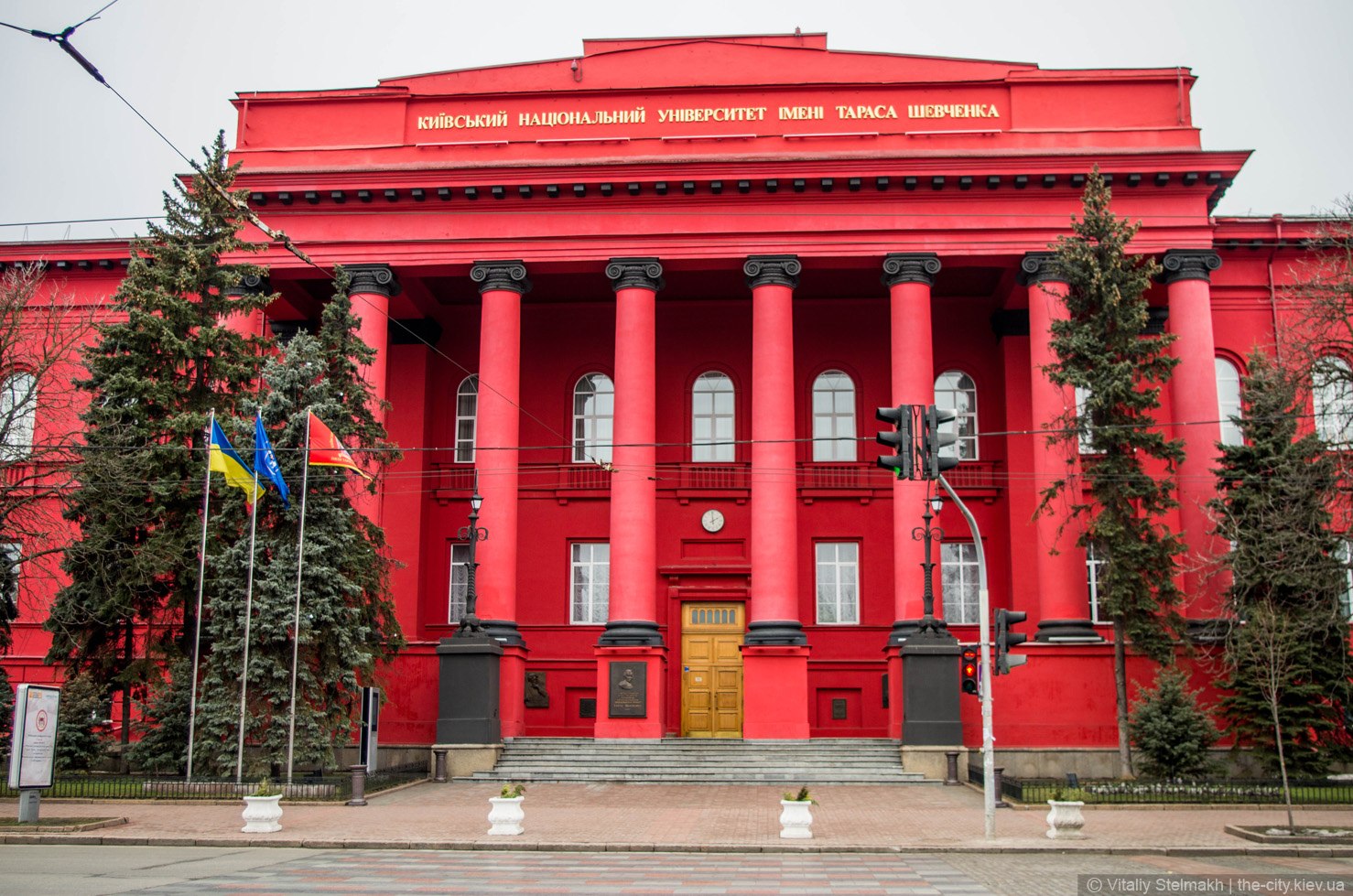 EXCLUSIVE
The 2025 admission campaign has clearly shown that applicants are focused on safety, real learning conditions, and opportunities for socialization, not just the name of the university.
This was stated by Andriy Vitrenko, Deputy Minister of Education and Science of Ukraine, during a discussion forum for educators and employers entitled “Youth cannot be let go,” organized by Kommersant Ukrainian, outlining the main challenges for the higher education system during the war.
According to Vitrenko, the most significant shift has occurred in the geography of the admission campaign. Previously, Kyiv was the undisputed leader in the number of applications, but now it is Lviv.
“During the first three months of the admission campaign, Lviv was the leader: Lviv Polytechnic, Ivan Franko University. And only in third place is Shevchenko University. This is a clear signal that applicants are looking for relatively safer cities,” said Vitrenko.
He acknowledged that there are no completely safe areas in the country, but young people and parents are trying to choose regions with less threats and fewer air raids.
The deputy minister emphasized that not all Ukrainian universities are “bad,” as it is sometimes presented in public discourse.
“I am ashamed when people say that all universities are bad. There are great examples. For example, Zhytomyr Polytechnic is a great university. And we were in Lutsk: five years ago, it was literally a shed. And now it has a modern campus, new classrooms, and a different level of design,” Vitrenko said.
At the same time, he admitted that infrastructure challenges remain. These include outdated dormitories and a lack of places in cities that have grown significantly in demographics due to internal migration.
Dormitories are a critical factor in cities with a population of over a million people
Vitrenko drew special attention to the problem of student housing.
“Let’s take Vinnytsia, which used to be a city of 300,000 people, and now it has almost a million. And with the rising cost of renting housing, dormitories are becoming a key factor in choosing a university. Students simply cannot afford housing on the free market,” the Deputy Minister emphasized.
Another painful topic is the quality and relevance of educational programs. According to Vitrenko, some of them are no longer relevant to the modern labor market, but the ministry is actively working to update the content of higher education.
“There are ineffective programs – we recognize this. But we are working on it. And it is important that universities can no longer exist as “stamping lines” of diplomas,” he said.
Andriy Vitrenko compared the situation in Ukrainian education to the economic principle when people in the United States move between states because of taxes.
“University is like microeconomics: an applicant votes with his feet. He goes where it is better: where there is a modern program, normal living conditions, networking, opportunities, contacts. It is no longer just “education for the sake of a diploma,” he emphasized.
Vitrenko summarized that the higher education system should respond to new student demands, improve the quality of education, and create conditions for real development, otherwise the applicant will choose another city, another university, or another country.