Ukraine one month away from default, creditors demand payments – The Economist
1 July 2024 15:06
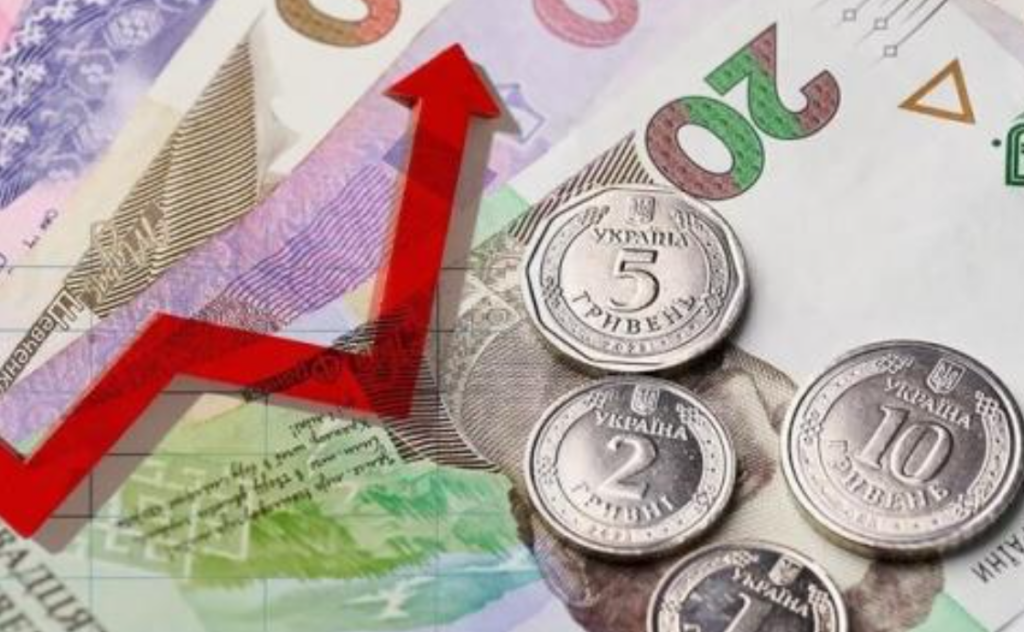
Ukraine is facing a serious financial challenge: the country has one month left to avoid default. This is stated in the material of The Economist, reports "Komersant Ukrainian"
Ukraine’s war-torn economy has shrunk by a quarter compared to the pre-war period. The National Bank is spending its foreign exchange reserves, and recent Russian attacks on critical infrastructure have lowered growth forecasts, the newspaper writes.
However, as Ukraine’s Finance Minister Sergiy Marchenko recently warned, “strong armies must be supported by strong economies.”
Although Ukraine has received substantial military aid from the US and financial support from the G7, the country is facing a severe cash shortage. For the past two years, Ukraine’s creditors have agreed to suspend debt service payments, which amount to 15% of GDP per year. However, the moratorium from private foreign bondholders expires on 1 August.
The IMF is calling on Marchenko to negotiate debt relief, but an agreement seems unlikely to be reached in the time available. If Ukraine defaults, it will reflect a worrying lack of faith in the commitment of private investors.
In June, Marchenko proposed a deal to creditors that would cut 60% of the current value of Ukraine’s debts. The creditors coolly replied that they considered a 22% reduction more reasonable.
Ukraine desperately needs fiscal space. At the end of the year, the debt-to-GDP ratio will be close to 94%, which is high for an economy with a fragile financial history.
In the absence of a deal, Ukraine has two options: agree to extend the moratorium on debt service or default. Both scenarios effectively mean that Ukraine’s payments will not resume.
The restraint of private investors reflects not only Ukraine’s financial prospects, but also uncertainty about the country’s victory in the war.
“There must be a state that can repay the debt at the end,”
– says one of the holders of Ukrainian bonds.
In this situation, much depends on the support of the West. After all, taxpayers may get “tired” of providing billions of dollars in aid to Ukraine, and Donald Trump, who is sceptical about the amount of aid, is increasingly likely to return to the White House in November.
Investors are also sceptical about the plans for Ukraine’s long-term reconstruction if he wins. They believe that the restructuring will be the first of many attempts by Ukraine’s allies to shift the financial burden of the war and the cost of reconstruction from governments to the private sector.
Thus, the current impasse raises a worrying prospect: distrust between Ukraine’s allies and private investors could slow the country’s recovery progress.
The Ministry of Finance recently reported that Ukraine has sold UAH 1 trillion worth of domestic government bonds since the start of the full-scale war. These investments have become the second largest source of state budget financing after international aid. Thus, thanks to the purchase of bonds, Ukrainians financed 200 days of war.