Easter 2026 in Ukraine: the date of celebration for Orthodox and Catholics, and who will celebrate earlier
13 March 11:44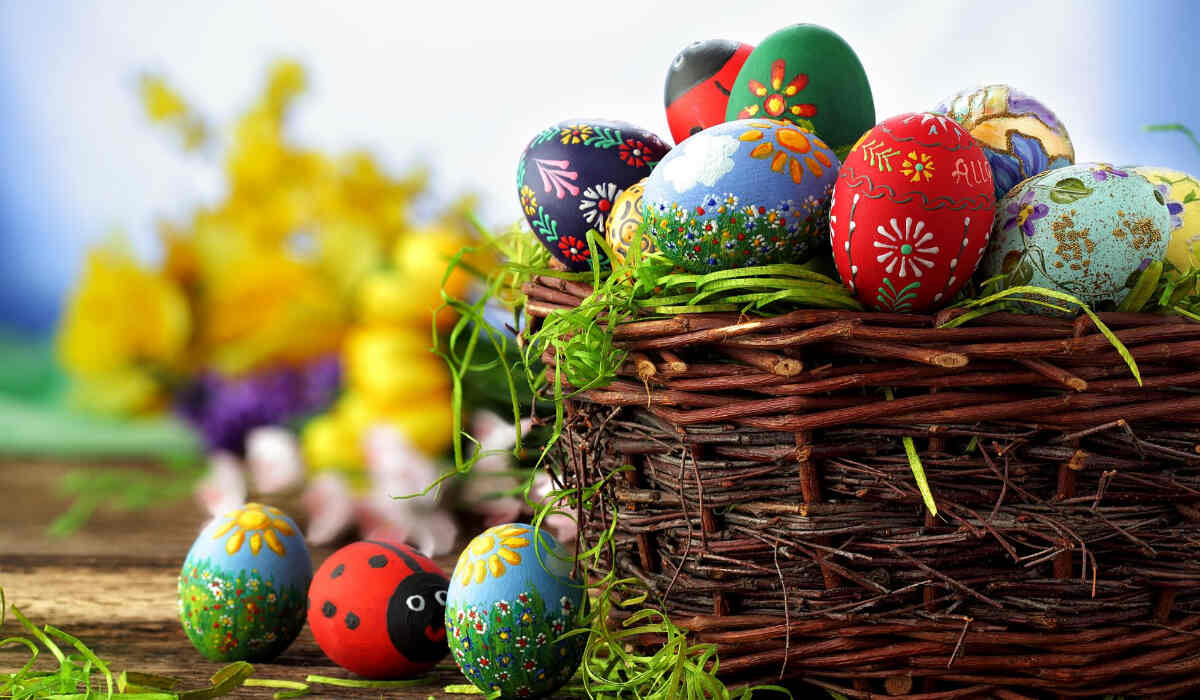
Easter is one of the main Christian holidays eagerly awaited by Ukrainians. The date of Christ’s Resurrection changes every year, as it is determined by a specific formula tied to the lunar cycle and the spring equinox. Because of differences in church calendars and calculation rules, Catholics and Orthodox Christians often celebrate on different dates, and this year will be no exception.
When is Easter in 2026, who will celebrate earlier: Catholics or Orthodox Christians, traditions and prohibitions – read in the article "Komersant Ukrainian".
Why Catholics and Orthodox Christians celebrate Easter on different days
The general principle for calculating the date of Easter celebrations for Catholics and Orthodox Christians is quite similar. Easter always falls on the first Sunday after the full moon following the spring equinox. At the same time, church tradition usually focuses on the conditional date of the equinox.
The difference is that in the Western tradition, which Catholics follow, the date of transitional church holidays is calculated according to the Gregorian calendar. Meanwhile, Orthodox Christians follow the Julian (New Julian) calendar.
When is Easter celebrated in 2026 and who will celebrate it earlier: Catholics or Orthodox Christians?
In 2026, Catholic Easter falls on Sunday, April 5. Orthodox Christians, on the other hand, will celebrate the Resurrection of Christ on Sunday, April 12, a week later.
Therefore, given the differences between the Gregorian and New Julian calendars and the special rules for calculating Easter, Catholics will celebrate earlier this year.
Easter: traditions of celebration in Ukraine
Most Ukrainian families adhere to Eastern Orthodox traditions. Among the most common customs are the following:
- Preparing Easter bread. Yeast or cheese Easter bread is the main attribute of this holiday;
- Egg painting. Another symbol of Easter is painted and decorated eggs – krashanky and pysanky, whose patterns may vary depending on the region of Ukraine;
- Attending church services. On Easter night, the so-called Easter Liturgy takes place – the main service of the year, symbolizing the victory of life over death. Before the full-scale invasion, most believers attended the night service, after which they consecrated their baskets early in the morning;
- Consecration of the festive basket in the church. Before Easter, it is customary to prepare a festive basket, which should contain Easter cake, painted eggs, lots of meat, fresh greens, horseradish, mustard, and salt, which are consecrated in the church.
- Celebration with family. After the basket is blessed, it is customary to gather around the festive table with loved ones and eat the blessed food. Since Lent ends on Easter, the table may already be set with meat dishes, sausages, and aspic, and there must be Easter cake and boiled eggs.
In Western culture, popular symbols of this holiday are the Easter bunny and the “hunt” for chocolate eggs for children. However, this is more of a cultural tradition of individual countries than a church custom.
What not to do on Easter: prohibitions that apply on this day
As with most other church holidays, there are a number of specific prohibitions on Easter that should be observed. In particular, on this day it is recommended to:
- avoid quarrels, insults, evil and bad thoughts, envy, and revenge;
- not to engage in heavy physical labor or exhausting work if it can be postponed;
- not to offend people or animals;
- not to turn the celebration into a noisy feast.
In addition, it is believed that on Easter, one should refrain from drinking any alcohol except for Cahors wine.
Author: Olya Yushko