Restoration of military equipment under the pressure of VAT – study
26 March 2025 09:42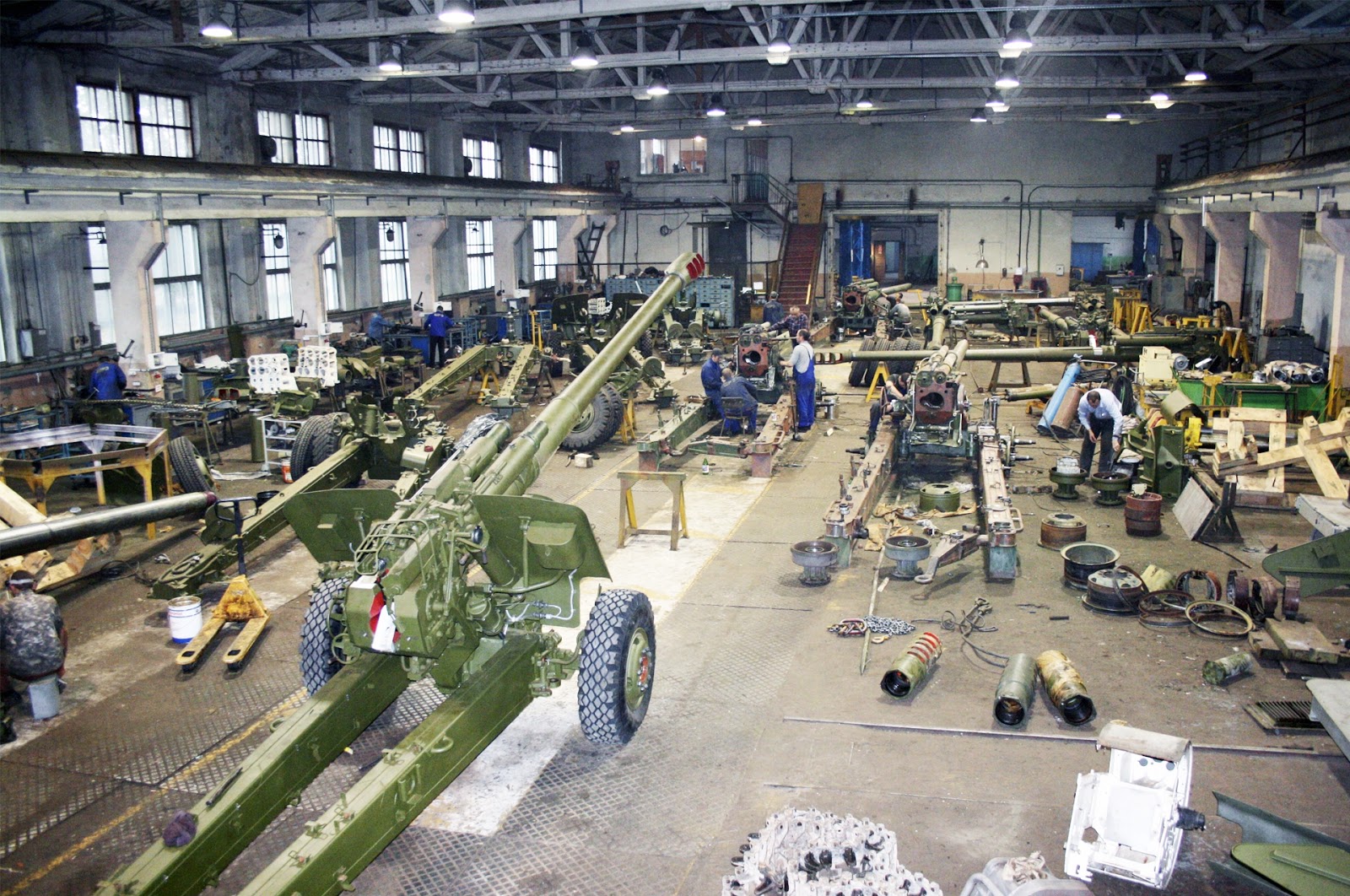
Due to the current VAT regime, budget funds allocated to defense companies for the restoration of weapons are partially used for tax payments rather than for the repair itself. This conclusion is contained in an investigation conducted by the Business Ombudsman Council, "Komersant Ukrainian" reports.
As Vladyslav Kaluga, a representative of the Business Ombudsman Council, explained during a presentation at the Media Center Ukraine, according to the current rules, imports of military equipment received as part of international technical assistance are exempt from VAT. At the same time, services for the repair and modernization of this equipment are subject to VAT, which creates an additional financial burden on companies.
“Today, unfortunately, we have a situation where military equipment is imported under international technical assistance projects without VAT because it is easier and more cost-effective. At the same time, services for the repair and modernization of this equipment are subject to VAT. We were informed about this problem by business representatives, including defense repair companies,” said Kaluga.
According to him, this issue is critical, as VAT increases the cost of repairing a piece of equipment by 20% and, accordingly, reduces the number of repaired units. The arithmetic is simple: if 5 units of equipment were exempted from VAT, the saved money could be used to repair an additional unit.
Vladyslav Kaluga also noted that this situation only complicates the process of restoring equipment that breaks down every day due to the hostilities.
The Business Ombudsman Council proposes to allocate funds allocated for the repair of military equipment for repair rather than for the closed VAT cycle.
In February, the Business Ombudsman Council presented the results of a study on the problems related to private sector involvement in the restoration of critical infrastructure.
In the report, the Business Ombudsman Council proposed to introduce clear rules to protect businesses from the risks of non-payment for work performed, create an effective mechanism for coordination between stakeholders, and reform public procurement procedures to ensure transparency of funding.