
Nuclear cynicism: Russia builds nuclear power plants in the EU, IAEA calls it a success
5 February 23:29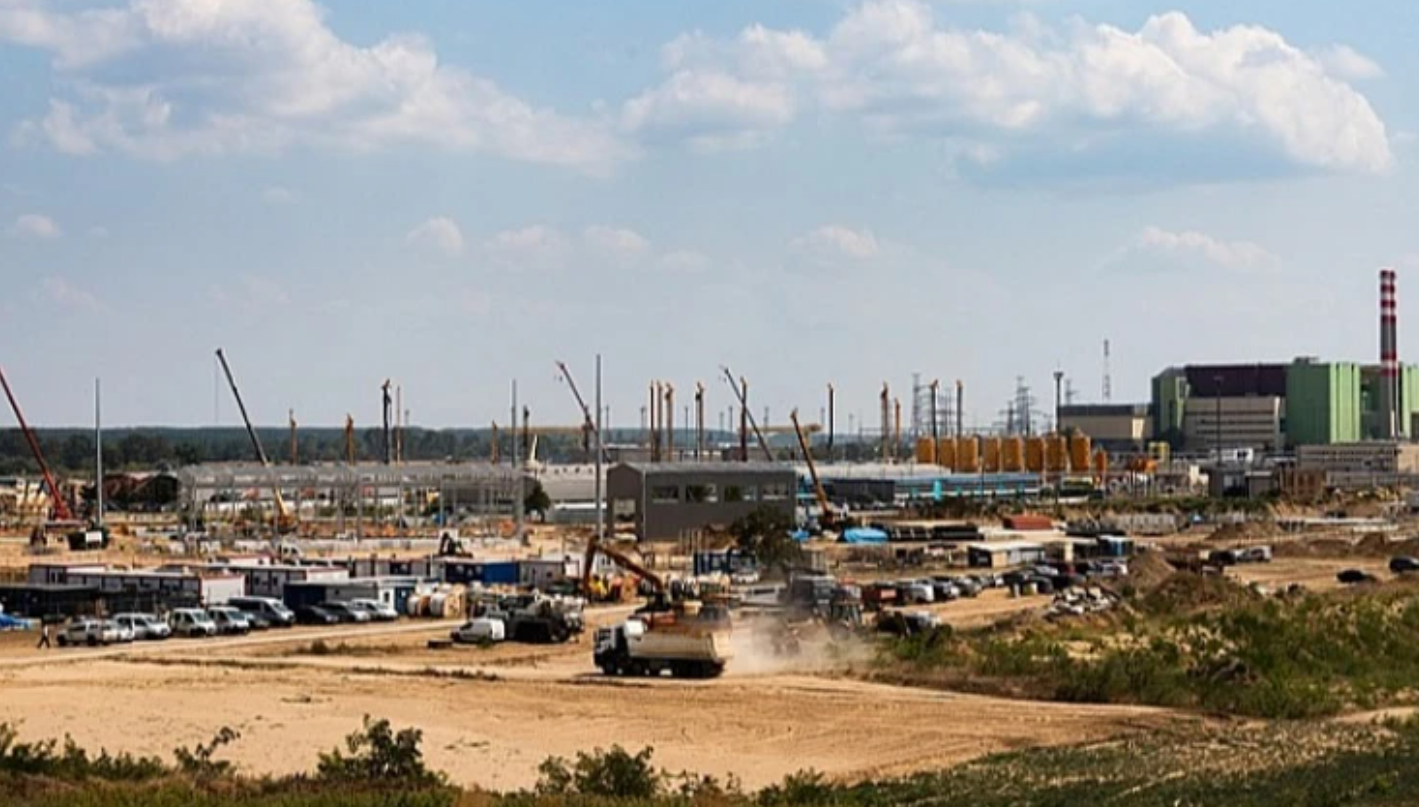
Construction of the Paks II nuclear power plant, which is being built by the Russian state corporation Rosatom, has officially begun in Hungary. The project is being implemented with multi-billion dollar loans from Russia, which, according to experts, violates European Union legislation and creates long-term financial and political dependence of Budapest on Moscow. This was reported by "Komersant Ukrainian" with reference to Russian media.
The start of construction was marked by the pouring of the first concrete, a stage that formally brings the project into the active construction phase.
Grossi called the construction “a great day for Russia.”
The launch ceremony was attended by Rosatom CEO Alexei Likhachev and IAEA Director General Rafael Grossi. It was Grossi’s words that caused the greatest resonance.
The IAEA Director General publicly called the start of construction “a great day for Russia” and congratulated Rosatom on further nuclear cooperation, describing it as “a shared responsibility in the field of safe energy.”
These statements were made against the backdrop of Russia’s full-scale war against Ukraine, the occupation of the Zaporizhzhia Nuclear Power Plant, and the systematic use of nuclear energy as a tool of blackmail.
A project without a tender and with Russian loans
The construction of two new power units with water-water reactors with a capacity of 1.2 GW each is being carried out on the basis of an intergovernmental agreement signed by Budapest and Moscow back in 2014. Rosatom received the contract, worth about €12.5 billion, without an open tender.
The project is regularly cited as an example of the particularly close political relations between Hungarian Prime Minister Viktor Orbán and Russian dictator Vladimir Putin.
Hungarian government: betting on nuclear power instead of the market
Hungarian Foreign Minister Péter Szijjártó said that the implementation of Paks II will allow the country to cover up to 70% of its domestic electricity needs through nuclear generation.
According to him, this should reduce Hungary’s dependence on international energy markets. At the same time, critics of the project emphasize that it is actually a matter of replacing market dependence with a direct technological and financial link to Russia.
Greenpeace: political risk and moral irresponsibility
The environmental organization Greenpeace in Hungary has strongly criticized the start of construction, calling it a political statement of support for the Russian nuclear industry and the war.
The organization’s statement notes that cooperation with Rosatom is morally unacceptable because the corporation is directly linked to nuclear blackmail, war crimes, and threats to the civilian population in Ukraine.
Contrast with Turkey
Against this backdrop, the example of Turkey, which has postponed the launch of the first Akkuyu nuclear power plant, also built by Rosatom, is telling. It is expected to start operating no earlier than next year, despite previous high-profile announcements.
Rosatom has so far avoided severe EU sanctions. French and German giants, including Framatome and Siemens, continue to provide strategic technologies and expertise for Rosatom projects, including instruments and control systems, which are the “brains” of nuclear power plants.












