How rising global oil prices could help boost rapeseed and biodiesel production in Ukraine
7 April 15:29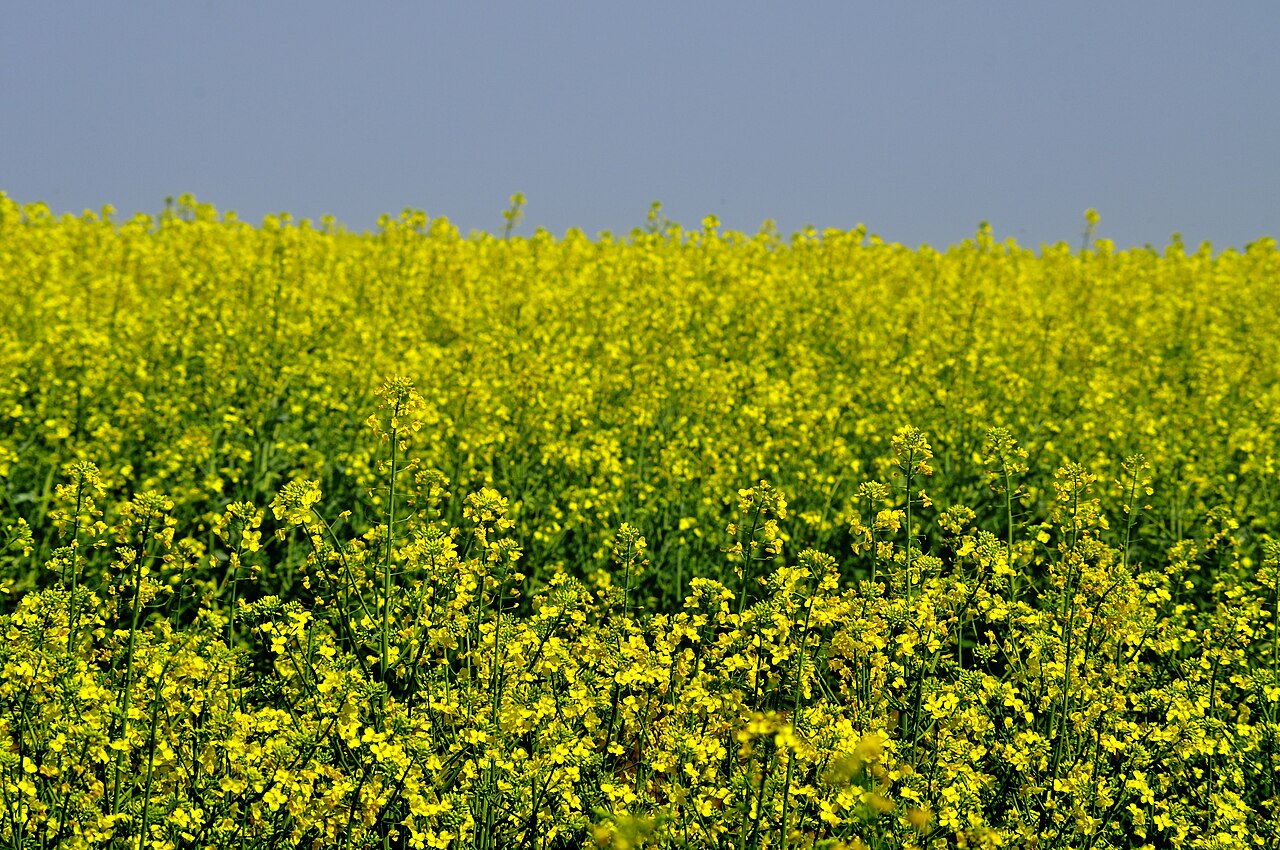 ANALYSIS FROM
The record surge in oil prices, triggered by the conflict in the Middle East, has drawn attention to Ukraine’s potential for rapeseed cultivation. As is well known, rapeseed is an important raw material for biodiesel production… But primarily in Europe, not in Ukraine. "Komersant Ukrainian" investigated why this is the case.
“When oil costs more than $100 per barrel globally, it becomes truly attractive to produce biodiesel in Ukraine and build processing facilities here,” the founder of one of the companies currently operating in the fuel market shared this observation at the time.
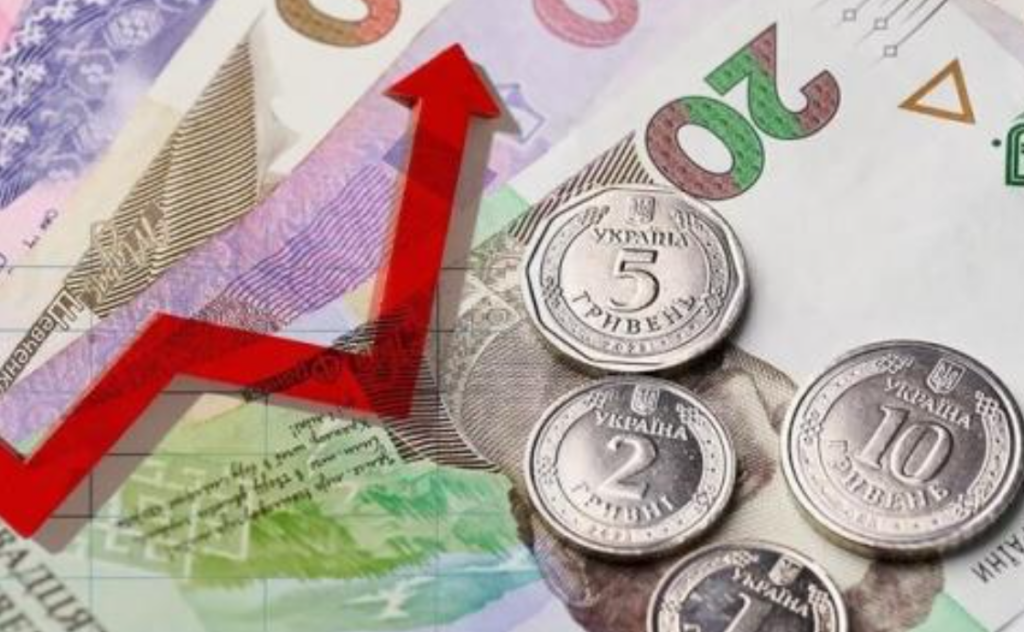
Oil prices crossed the $100-per-barrel mark back in mid-March, while the cost of diesel fuel at Ukrainian gas stations hovers around 90 UAH per liter. However, these figures do not yet mean that interest in biodiesel production in Ukraine will grow at the same pace as oil prices. And this is not only because there is still hope for a relatively quick resolution of the conflict in the Middle East, the reopening of the Strait of Hormuz, and a drop in fuel prices. There are plenty of other restraining factors as well.
Rapeseed Potential
The Ukrainian government notes that the sharp rise in global fuel prices is increasing demand for raw materials for biodiesel. They even suggest that if the conflict surrounding Iran drags on, Ukraine may expand its rapeseed acreage, as rapeseed is the most sought-after raw material for fuel production, at least in Europe.
“If this situation drags on, farmers will expand rapeseed acreage and could reach 1.5 million hectares by fall, which is 400,000 hectares more than today,” said Deputy Minister of Economy Taras Vysotsky, as quoted by Reuters.
At the same time, the official noted that it would be difficult to increase planting areas by such a significant amount in just one year.
According to researchers at the Institute of Agricultural Economics, more than 1 ton of biofuel can theoretically be produced from 1 hectare of rapeseed. Oleksandr Zakharchuk, head of the institute’s Department of Investment and Material-Technical Support and a corresponding member of the National Academy of Agrarian Sciences, cites the following figures:
“Given rapeseed acreage of over 1 million hectares, Ukraine has the potential to meet a significant portion of its fuel needs on its own. The total annual demand for diesel fuel in agriculture is approximately 0.9–1.0 million tons. In other words, Ukraine has great potential thanks to its extensive rapeseed crops.”
In fact, the word “potential” is key here. According to YC.Market, in 2025 there were over 16,000 agricultural companies operating in Ukraine that could potentially supply raw materials for biodiesel production. As for rapeseed, its production, as noted in the YC.Market study, has grown rapidly over the past 20 years, and yields have increased significantly: the average is over 2.5 t/ha, while the best farms harvest 3.5–4 t/ha.
The issue is that Ukrainian rapeseed, whether in the form of seeds or rapeseed oil, is typically exported abroad. Nearly the entire volume of rapeseed exports from Ukraine is directed to the EU. Currently, demand for it from European biodiesel producers and the processing industry is steadily growing, and with it, the price. For example, according to SPIKEBROKERS, on the European MATIF exchange, rapeseed prices rose to €505.75 over the past week, compared to €500.25 a week earlier. Ukraine traditionally holds the top spot among rapeseed suppliers to the EU market. Oleksandr Zakharchuk, Head of the Investment and Logistics Department at the Institute of Agricultural Economics, continues.
“In the EU, biodiesel production is a large and stable sector of the energy industry, where rapeseed oil remains the main source of raw material. In the European Union, rapeseed oil-based biodiesel accounts for 70–80% of all liquid biofuels. Germany is one of the largest producers of such biodiesel in the EU. European producers purchase Ukrainian rapeseed or rapeseed oil and process them into biodiesel at their own facilities. This is an important part of the EU’s production base for meeting renewable energy requirements,” the expert emphasizes.
Of course, Ukraine, which took a significant step last year toward increasing domestic rapeseed processing volumes, it would be worthwhile to take another step and, instead of exporting raw materials for biodiesel—including rapeseed oil—produce this biofuel at Ukrainian plants and supply it to the domestic market or for export at a greater profit. But taking this step has proven impossible.
The Reality of Biodiesel
In Europe, you can fill up your car’s tank with biodiesel at many local gas stations. The biodiesel market there is actively developing, and this growth is attributed to rising demand for environmentally friendly fuels, biodiesel’s high compatibility with existing diesel engines, as well as the fact that fossil fuel reserves are dwindling and prices are rising. By the way, using biodiesel reduces greenhouse gas emissions by 90% compared to traditional diesel. Biodiesel can be used in its pure form, although it is more often blended with regular diesel fuel.
However, the experience and practices of European countries have not served as a model for Ukraine to follow. As noted by Oleksandr Zakharchuk, head of a department at the Institute of Agricultural Economics, biodiesel production does exist in Ukraine, but it has not yet reached any significant scale.
“There are a few small and medium-sized enterprises—mini-plants—that produce biodiesel from rapeseed oil, amounting to several dozen tons per day. But the total volumes are still small,” the expert notes.
Why is that? The answer may sound simple: producing biodiesel in Ukraine is not yet economically viable. Biodiesel and its blends are subject to excise tax, and the level of this tax makes production economically uncompetitive compared to traditional fuel. Repeated proposals to introduce a preferential excise tax for biodiesel have not received government support. Plans for the near future also look bleak. Heorhiy Geletukha, head of the Bioenergy Association of Ukraine, describes the pricing reality for biofuels as follows:
“When bioethanol is added to gasoline, its cost does not increase. It remains more or less the same. Biodiesel, on the other hand, ends up being significantly more expensive than regular petroleum diesel. No one wants that in Ukraine. Second, biodiesel is made from oilseeds, mainly rapeseed. So, in effect, instead of producing oil as a food product, it is turned into fuel. And oil is not a cheap product.”
In fact, bioethanol has fared better than biodiesel. This is partly because clear conditions and requirements for adding bioethanol to gasoline have been established by law. Establishing mandatory quotas for biodiesel in diesel fuel would also help develop this segment of the biofuel market. Yaroslav Kulikovsky, a senior consultant at Pro-Consulting, continues.
“The biodiesel market remains limited due to the absence of regulatory requirements similar to those for bioethanol, although it has the potential for growth within the framework of transport decarbonization and agro-processing policies. According to the forecast of Ukraine’s Bioenergy Development Roadmap through 2050, the production of liquid biofuels (biodiesel, bioethanol) in 2050 could reach 850,000 tons of oil equivalent per year, of which approximately half will be first- and second-generation biofuels,” the expert emphasizes.
To achieve this goal, the Roadmap for the Development of Bioenergy would need to be supplemented by a comprehensive State Program for the Development of Biodiesel Production in Ukraine. This would allow for the systematic implementation of mechanisms to incentivize producers, strengthen bank lending, develop the necessary infrastructure, and so on. Simply having sufficient raw materials will not be enough.
Author: Serhiy Vasylevych