EBRD provides €200 million guarantee to Raiffeisen Bank: what it means for Ukrainian business
23 September 2025 16:20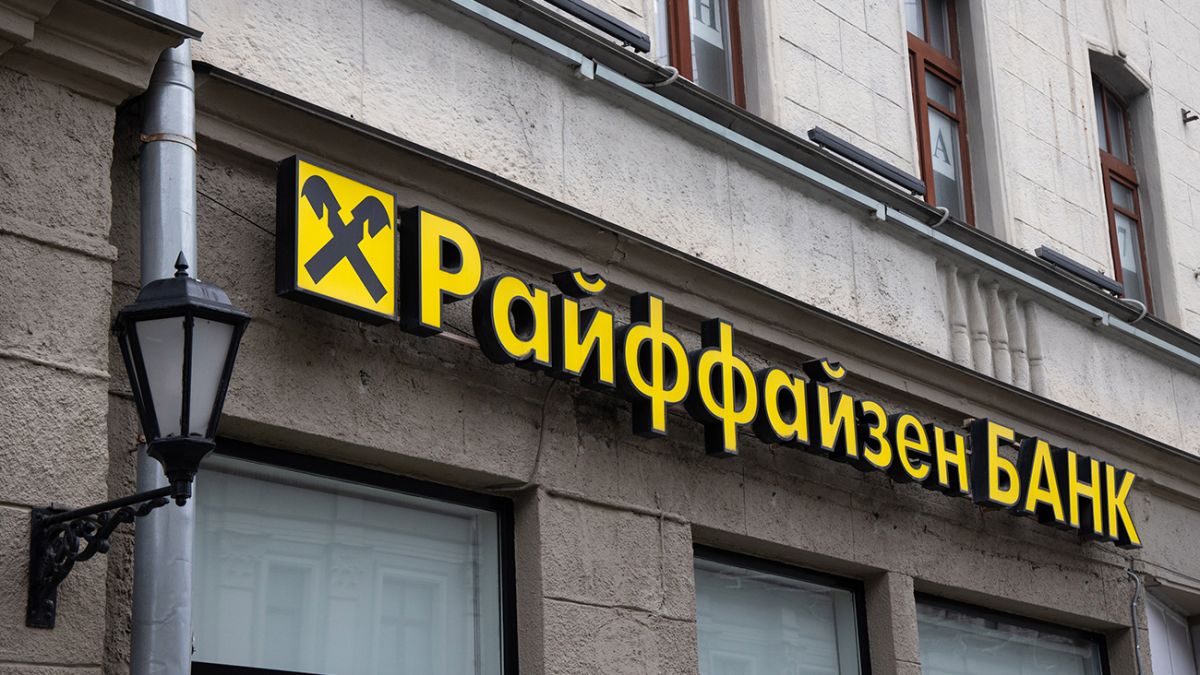
The European Bank for Reconstruction and Development (EBRD) has signed a €200 million risk-sharing agreement with Raiffeisen Bank. This was reported by Interfax-Ukraine, according to "Komersant Ukrainian".
The signing took place on September 9 in London.
The goal is to expand the access of Ukrainian enterprises to financing in a war economy.
How it will work
- The EBRD will cover up to 50% of the credit risk on new loans.
- Funding will be directed to key sectors: agriculture, industrial production, pharmaceuticals, transportation and logistics.
- Approximately 20% of the resources will be allocated to small and medium-sized enterprises (SMEs) for investments in technologies that meet EU standards and green projects.
Who will benefit
- Companies that will join the EU4Business initiative: it provides technical assistance from the EU and investment grants.
- Businesses and households most affected by the war.
- Businesses that create opportunities for veterans, IDPs, people with disabilities, or operate in regions that have been devastated by hostilities.
Who supports
- The EBRD’s guarantee is provided through first loss coverage provided by France and the EU under the Ukraine Investment Framework.
- This is the fourth agreement between the EBRD and Raiffeisen Bank since the start of the full-scale war.
Context
- Since the beginning of the war, the EBRD has invested more than €3 billion to support Ukrainian borrowers through 37 such instruments with 12 partners.
- Raiffeisen Bank is the largest private bank in Ukraine and the fourth largest in the banking system by assets.
- As of mid-2025, the bank’s assets amounted to UAH 252.23 billion.
- Ownership structure: 68.21% of shares are held by Raiffeisen Bank International AG, 30% by the EBRD, and 1.79% by minority shareholders.
Why it is important
Ukrainian business operates under war risks, and banks often limit lending due to the high probability of non-repayment.
Sharing risks with international partners allows us to
- reduce the burden on banks,
- provide longer and cheaper loans for businesses,
- support economic recovery and transformation.