EU slows down oil sanctions against Russia: Middle East interferes in energy policy
20 June 2025 20:07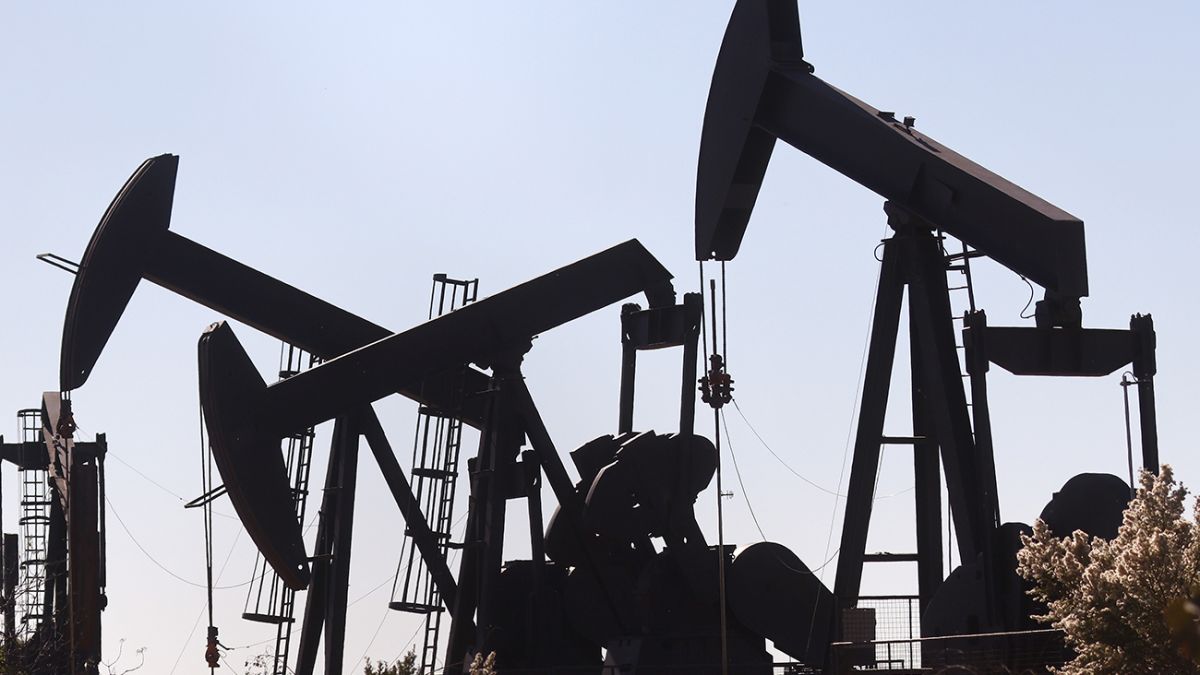
The European Union has decided to postpone its plan to reduce the ceiling price for Russian oil to $45 per barrel. The reason for this was the escalation of the conflict between Israel and Iran, which creates risks of destabilizing the energy market.
This was reported by Politico with reference to European diplomats, "Komersant Ukrainian" reports
The price ceiling reduction was proposed by the European Commission as part of the 18th package of sanctions against Russia, which was scheduled to be discussed on June 23 in Brussels. But, according to sources, geopolitical tensions in the Middle East have forced a change in priorities.
“The idea of lowering the price ceiling probably won’t work because of the instability in the region,” one diplomat explained on condition of anonymity.
Restrictions on Russian oil have been in effect since December 2022 – $60 per barrel for crude oil and $45-100 for oil products. But Russia has long adapted to these conditions, creating a shadow fleet of more than 600 vessels that successfully circumvents sanctions.
It is estimated that Russia transports about 1.7 million barrels of oil every day, and total export revenues in 2023 reached $188 billion. Some of these exports are carried out with the participation of Iran through a joint network of sanctioned transportation.
Hopes for a decline in the Kremlin’s oil revenues could be partially realized if the price policy is tightened. But the risk of a global rise in energy prices caused by the conflict in the Persian Gulf has forced Brussels to act more cautiously.
Meanwhile, the United States continues to impose new sanctions: in January 2025, another 184 Russian vessels were subject to restrictions. China has also joined in, with ports in Shandong province refusing to service tankers under sanctions.
Economic pressure on Russia through oil sanctions does not bring the expected results without global coordination.
The EU is balancing geopolitical ambitions and energy stability