The EU may provide Ukraine with a “reparations loan” of up to 130 billion euros: how the mechanism will work
24 September 2025 22:52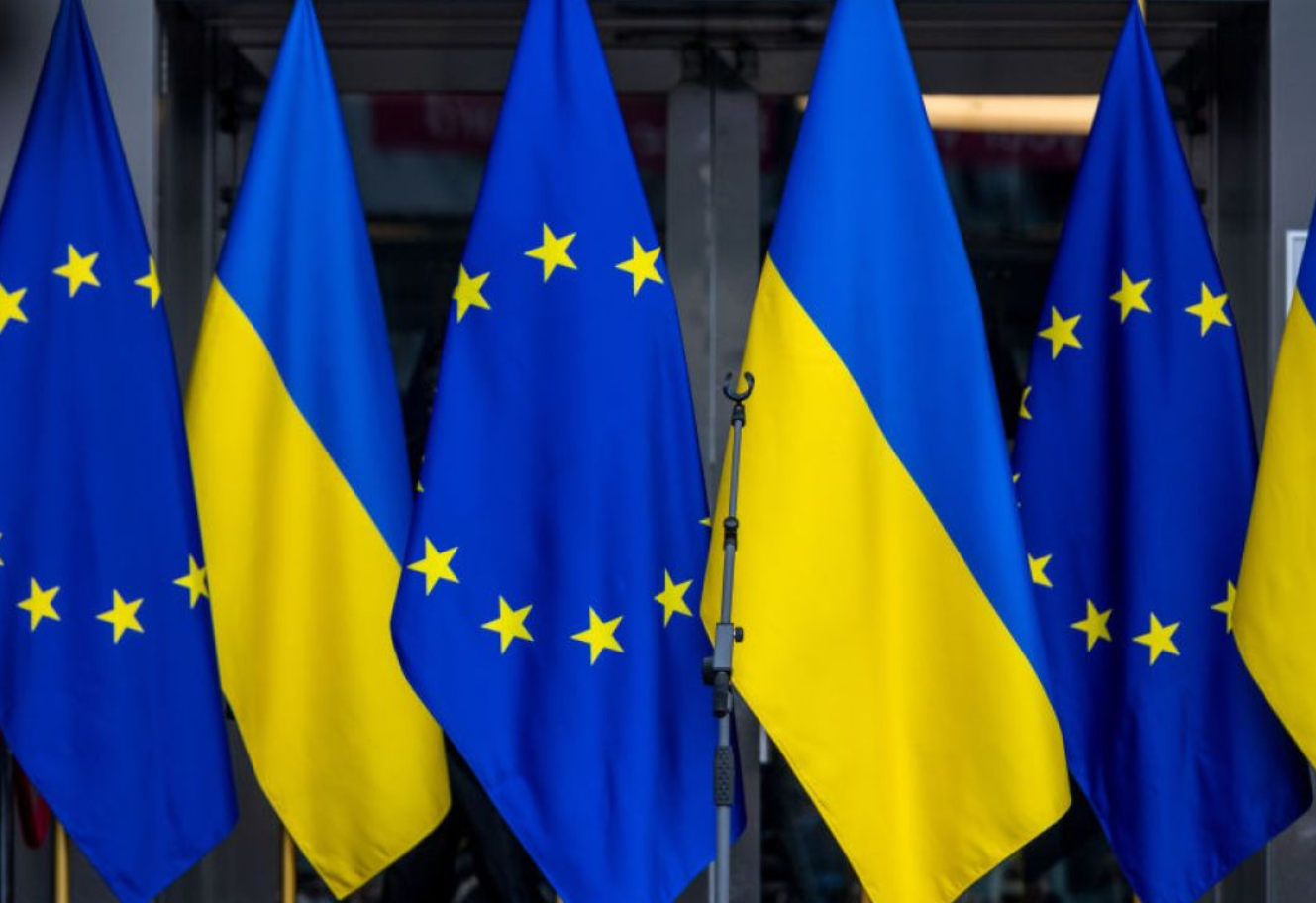
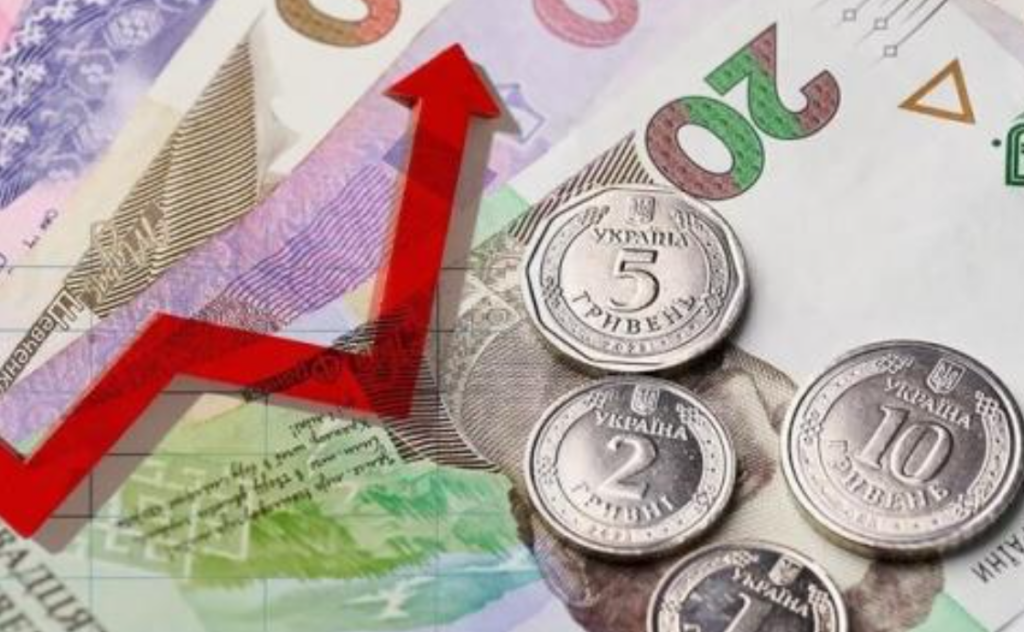
The European Union is considering creating a special mechanism for a so-called “reparations loan” for Ukraine in the amount of up to 130 billion euros. This was reported by Reuters with reference to European officials, "Komersant Ukrainian" informs
The final amount of funding will be determined after an assessment of Ukraine’s needs in 2026-2027 by the International Monetary Fund (IMF).
How the “reparations loan” will work
The idea was first presented by European Commission President Ursula von der Leyen. Its essence is to use the cash balances from frozen Russian assets that were sanctioned after Russia’s full-scale invasion in 2022.
- About 210 billion euros of Russian assets are kept in Europe.
- Of this amount, approximately €175 billion has already been converted into cash and is held in the Belgian depository Euroclear.
- These funds can become the basis for the loan.
Ukraine will repay the loan only after receiving reparations from Russia as part of a peace agreement. The risks of non-repayment will be distributed among the EU countries and, most likely, the Group of Seven (G7) countries.
Prerequisites for the launch
The funds will be used to finance Ukraine’s needs during the war, and Kyiv will repay the loan only after receiving reparations from Russia as part of a peace agreement. The risks of the debt will be shared collectively among the EU countries and probably some G7 states.
According to officials, about €210 billion of Russian assets are currently in Europe, including about €175 billion in cash on accounts with the Belgian depository Euroclear. These funds could form the basis of a new instrument to support Ukraine.
Before launching the “reparations loan,” the EU plans to fully repay the previous G7 loan of 45 billion euros (approximately $50 billion) agreed last year. This will leave about 130 billion euros that can be used to help Ukraine.
Why assets will not be confiscated
The European Commission is developing a legal mechanism that will allow the use of frozen Russian assets without their direct confiscation. This is a matter of principle for most EU governments and the European Central Bank, which fear lawsuits.
The model involves the creation of a special purpose vehicle (SPV) to which Euroclear will transfer the frozen funds. In exchange, the European Commission will issue bonds with guarantees from the EU and possibly the G7.
What the EU says
Valdis Dombrovskis, European Commissioner for Economic Affairs:
“The size of the loan will be determined after the IMF assesses Ukraine’s financial needs for the next two years.”
Bart De Wever, Prime Minister of Belgium:
“Russia’s assets should remain in Euroclear. Their direct seizure could create serious legal risks.”
In 2025, the EU has already transferred €10.1 billion in proceeds from frozen Russian assets to Ukraine.