The EU is looking for a new formula to support Ukraine: frozen assets of the Russian Federation may replace joint loans in 2026
18 December 2025 22:00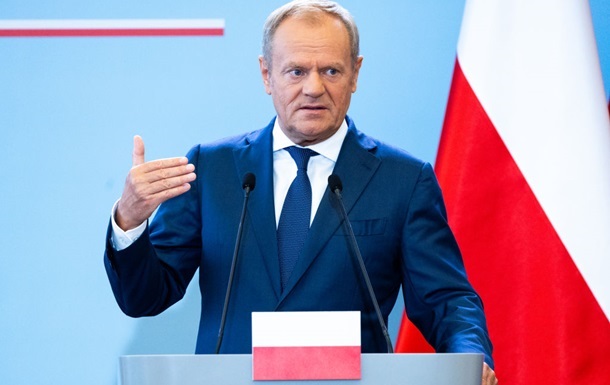
European leaders have agreed to move toward a mechanism for financing Ukraine from frozen Russian assets.
The decision has not yet been made, but according to Polish Prime Minister Donald Tusk, a consensus has been formed on the feasibility of such a step. This was reported by Reuters, according to "Komersant Ukrainian".
The key intrigue is the legal risks and guarantees for countries that may suffer financial “retaliation” from Russia.
What happened
At the EU summit in Brussels on December 18, the leaders agreed to work on a mechanism to finance Ukraine in 2026 not through joint EU loans, but through frozen Russian assets. This was announced by Polish Prime Minister Donald Tusk.
According to him, a “breakthrough” has been made: member states have agreed that the use of Russian assets would be justified and beneficial for both Ukraine and Europe. At the same time, a number of countries insist on maximum security guarantees for themselves
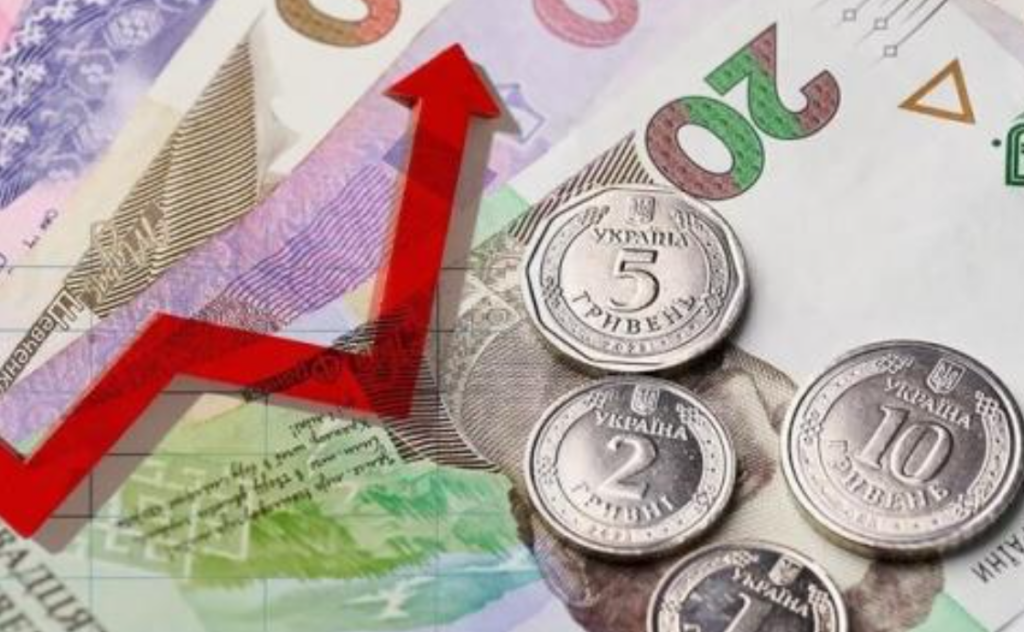
After Russia’s full-scale invasion of Ukraine in 2022, EU countries froze about €210 billion of Russian assets, of which about €185 billion are held in the Belgian depository Euroclear. These funds are seen as a potential basis for a so-called “reparations loan” to Ukraine.
The use of Russian assets would reduce the burden on the budgets of EU countries and avoid politically difficult discussions about new joint debt instruments.
What is the controversy about?
Belgium has the biggest reservations, fearing legal consequences and possible lawsuits or financial retaliation from Russia. According to Tusk, it is the countries with increased risks – “primarily Belgium, but not only” – that require clear and convincing guarantees.
At the same time, the idea of financing Ukraine through the so-called “flexibility margin” of the EU budget, according to the Polish prime minister, has no support among key member states, which narrows the alternatives.
EU to face “increasingly technical” negotiations
In the near future, the EU will face “increasingly technical” negotiations on legal mechanisms, guarantees and risk sharing. According to Tusk, the focus is shifting to the model of a reparations loan secured by Russian assets.
President of Ukraine Volodymyr Zelenskyy previously stated that a decision on long-term financial support for Ukraine could be made by European partners by the end of 2025.