Health as a luxury: why medicines in Russia are rising faster than inflation
15 October 2025 19:17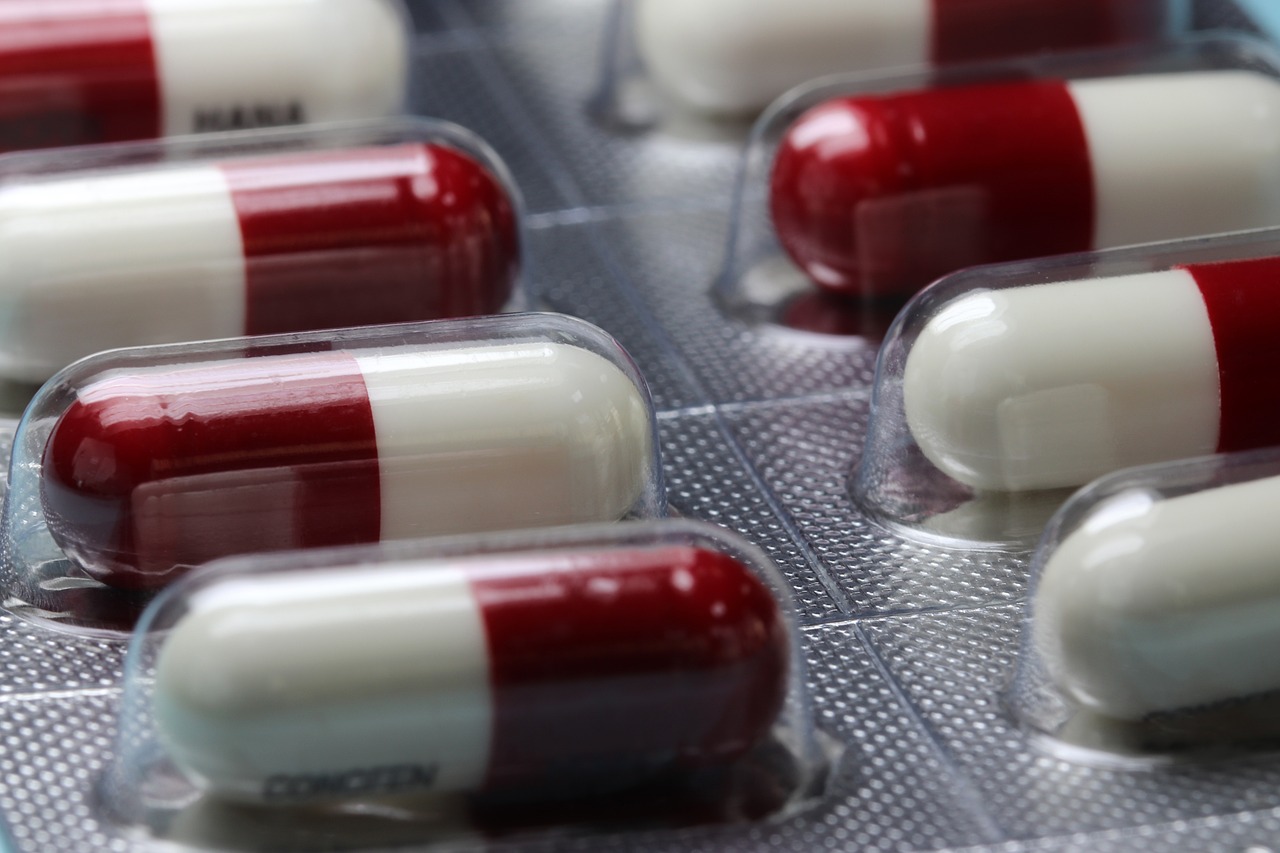
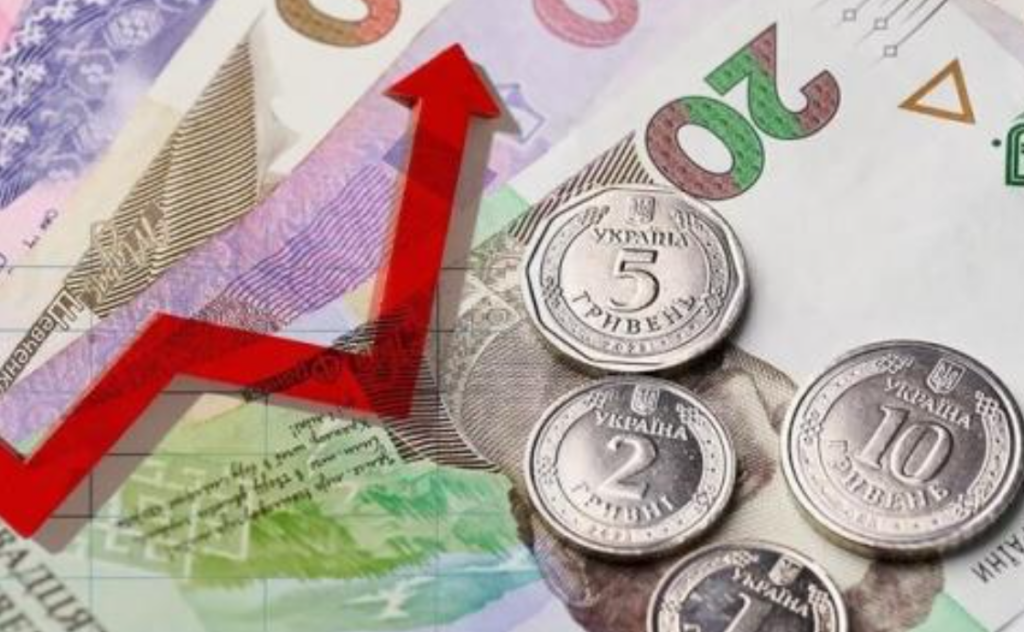
Today, for many Russians, purchasing a necessary drug is a challenge: the average price of a package of medicines exceeds 400 rubles (about 800 UAH – ed.), and this reflects a systemic crisis in the availability of medicines. According to analysts, prices have risen by about 14% in just one year, which is twice the rate of inflation, "Komersant Ukrainian" reports, citing DSM Group and RNC Pharma.
Among the leaders of growth are drugs that are not included in the lists of essential medicines. They are rising in price almost five times faster than other medicines in pharmacies.
We are talking about:
- Ketorol – 30% increase in price;
- Nafazolin – 25% to the price;
- No-Spa (Drotaverine) – 15% to the price;
- Corvalol and Analgin – 13-14% to the previous price.
In quantitative terms, the number of packs sold decreased by 1-2%, but in monetary terms, the market grew by 11-13%, to 1.1 trillion rubles.
Reasons for the price collapse in the Russian pharmaceutical market
The rise in the price of medicines is dictated by a sharp increase in costs: gasoline has risen by 9.2%, which directly affects the logistics of drug delivery. After all, the costs of pharmacies and pharmaceutical manufacturers include more expensive transportation, energy, IT support, and increased payroll.
In other words, the price of medicines is rising not only because of margins, but because of fundamental pressure on the entire production and distribution chain.
In response to the price pressure, Russians are changing their consumer behavior: they are switching to larger packages with lower unit costs, buying through online services to compare prices, and preferring cheaper analogs and generics, although these drugs are often of poorer quality.
Experts do not predict a reduction in the price of medicines in Russia in the near future. The pharmacy market is growing, but much more slowly than business costs. At the same time, public procurement of medicines in Russia increased by 15% in 2025 compared to the previous year, indicating that the authorities are trying to compensate for rising prices.
However, these measures will not be able to fully smooth the blow to consumers’ wallets. Especially those with chronic diseases that depend on long-term therapy.
Moreover, Vladimir Chernov , a financial analyst at Freedom Finance Global,predicts that in 2026, the growth rate of drug prices in Russia will not “zero out”. All medicines will add 6-9% to their prices in 2026. Vital and important medicines will rise in price by about 3 to 5%, and non-listed drugs will increase in price by 8 to 12%.
According to the expert, the main beneficiaries in this situation will be large distributors, pharmacy chains and online aggregators, as well as manufacturers of mass generics. Among the public companies, he singles out:
- Ozone Pharmaceuticals;
- Sistema (through its pharmaceutical assets);
- magnit grocery store chain;
- “Magnit Pharmacy;
- “Sberbank (through Apteka.ru).
In addition, analysts point out that the Russian pharmacy market is increasingly controlled by the three largest chains – Rigla, April and Planeta Zdorovya, which already cover more than 30% of the market. All three chains are integrated into the Russian government system: through government contracts, political contacts or family ties with high-ranking officials.
Read also: “Central Bank” Russia predicts financial collapse of the economy
Inflation in Russia in 2025: what you need to know
According to Trading Economics, annual inflation in Russia in August 2025 was 8.10%. In September, it remained at around 8.0%
Analysts and the Central Bank expect inflation to further decline to 6-7% by the end of the year.
Why inflation in Russia is still high: reasons and main factors
1. High interest rates. To curb inflation, the Central Bank is pursuing a tight monetary policy.
2. Rising prices for gasoline and logistics. Rising fuel costs are putting pressure on supply chains.
3. Military and sanctions factors. The war and sanctions are increasing the impact on imported components, currency risks and costs.
4. Fiscal pressure and budget expenditures. Expanding government spending creates additional demand for resources and drives up prices.
Watch us on YouTube: important topics – without censorship
What it means for Russians and businesses in Russia
Decreased purchasing power. Even as inflation declines, prices are growing faster than incomes, especially for socially vulnerable groups.
High cost of borrowing. Tight monetary policy makes loans expensive, which discourages private investment and long-term projects.
Uncertainty for budget planning. If prices rise faster than forecast, budget spending on social programs, health care, and subsidies may be underfunded.
Decreased margins in business chains. Companies are facing rising costs – for raw materials, logistics, and energy – which forces them to either raise prices or reduce profits.
Read us on Telegram: important topics – without censorship