A magnetic storm hits the Earth: how to protect yourself
26 September 2024 17:26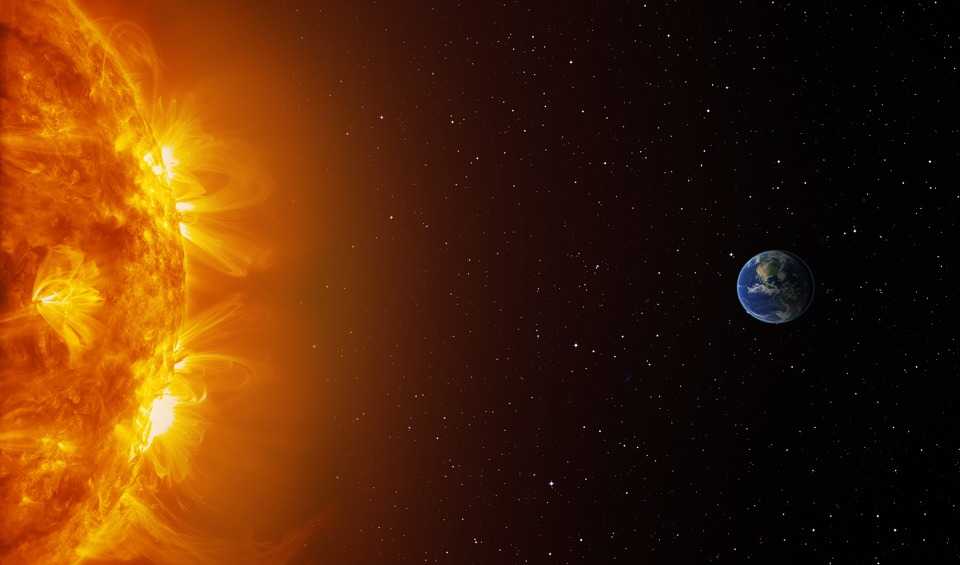
On Thursday, 26 September, the Earth was again hit by a magnetic storm. This was reported by "Komersant Ukrainian" with reference to the space weather tracking website SpaceWeather.
Today, the geomagnetic field is unstable, with fluctuations of low strength with a K-index of 3. Usually, only very weather-dependent people can feel such a weak storm.
What is a magnetic storm and why does it occur?
Magnetic storms are temporary perturbations of the Earth’s magnetic field caused by bursts of solar activity, such as coronal mass ejections or solar flares. They occur when powerful emissions of charged particles (plasma) from the Sun interact with the Earth’s magnetosphere. These solar plasma streams can change the shape and direction of the Earth’s magnetic field, causing disturbances and magnetic storms.
During magnetic storms, solar plasma particles interact with the upper layers of the Earth’s atmosphere, resulting in the formation of bright northern lights at high latitudes.
How a magnetic storm affects health
Geomagnetic disturbances in the atmosphere affect people in the following ways:
- magnetic fields affect bioelectrical processes in the body, which can lead to sleep disturbances, reduced performance and irritability;
- in people with cardiovascular diseases, storms can provoke exacerbations, increase blood pressure, cause heart rate, arrhythmia, heart pain and increase the risk of heart attacks and strokes;
- can affect the nervous system and cause headaches, migraines, dizziness, irritability, insomnia, increased anxiety and other unpleasant sensations;
- many people complain of weakness, fatigue, apathy, joint and muscle pain, shortness of breath, and sometimes even nausea and vomiting during a geomagnetic storm.
What to do during a magnetic storm
To improve your well-being during a magnetic storm and maintain your health, doctors advise
- try to go to bed and wake up at the same time;
- take time for rest and relaxation during the day;
- take a walk in the fresh air;
- give preference to light food rich in vitamins and minerals;
- limit the consumption of too fatty, spicy or spicy foods;
- drink clean water to maintain water balance in the body;
- do light exercise (yoga, Pilates, walking);
- take a contrast shower to improve blood circulation.