Gold instead of assets: how record metal prices helped Russia offset losses from sanctions
21 January 21:34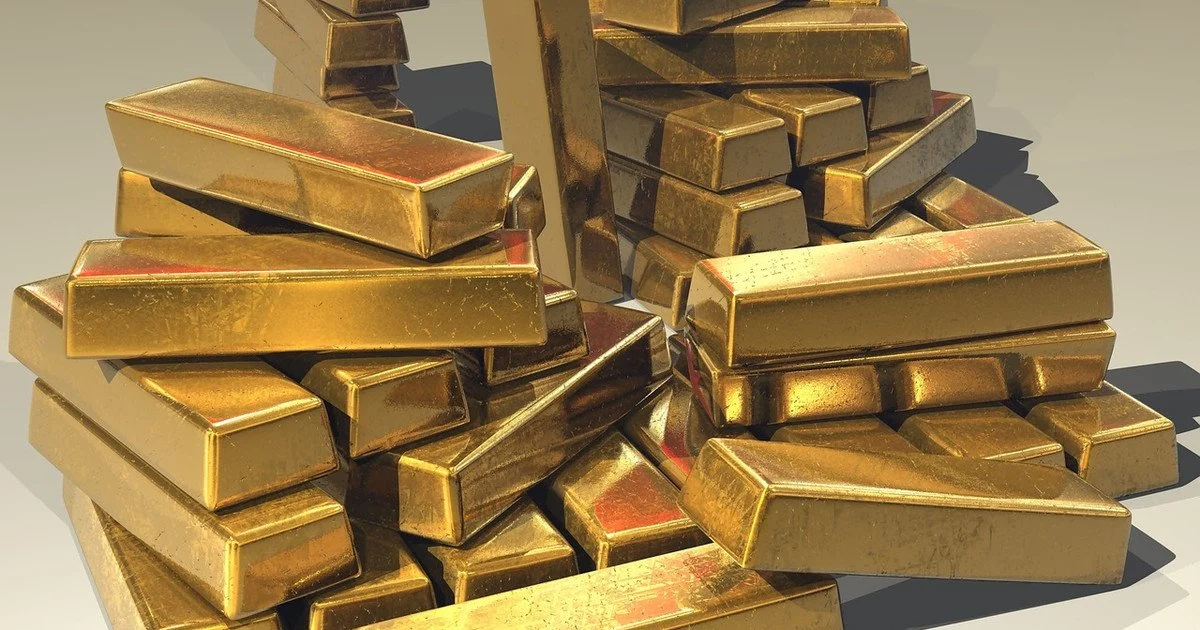
Russia received more than $216 billion in additional profits amid a sharp rise in global gold prices. This allowed it to partially offset the loss of assets frozen in EU countries after the full-scale invasion of Ukraine, Bloomberg reports , according to "Komersant Ukrainian".
According to the Bank of Russia, the country’s international reserves reached $755 billion by the end of 2025, of which $326.5 billion is in gold. The share of precious metals in reserves has grown from 21% in 2022 to 43% today.
Why gold?
Gold has become a key instrument of Russia’s financial “safety cushion” after a significant portion of its foreign exchange reserves were sanctioned and blocked abroad.
Analysts explain that the rapid rise in gold prices occurred against the backdrop of:
- global inflation,
- economic and geopolitical instability,
- a decline in confidence in traditional reserve currencies.
In 2025 alone , gold rose in price by about 65% — the fastest annual growth since 1979. It was this factor that sharply increased the nominal value of Russian reserves without the need for additional purchases.
Russia’s restrictions on gold disposal and paradoxes
Despite the benefits of rising prices, Russia’s ability to dispose of gold remains limited. The country is the world’s second-largest gold producer, with over 300 tons annually, but due to sanctions, Russian metal is banned from trading on the London Stock Exchange.
This complicates the sale of large batches and forces Moscow to look for alternative sales channels, often at a discount.
How the state uses reserves
The Russian government only began to actively use its reserves at the end of last year. The Bank of Russia began to cover the budget deficit by selling assets from the National Welfare Fund, which indicates growing fiscal pressure on the economy.
At the same time, the Russian Ministry of Finance forecasts a further increase in gold prices to over $5,000 per ounce, which could potentially improve the balance of reserves even more.
What this means for sanctions policy
The situation with Russian gold demonstrates one of the key problems with sanctions: frozen assets do not always mean a complete loss of financial stability. External factors, such as global commodity prices, can partially offset the effect of sanctions.
At the same time, these revenues do not solve the systemic problems of the Russian economy, which is increasingly dependent on commodity markets and limited financial instruments.
Frozen assets and reparations credit
Against this backdrop, in December the EU decided to freeze Russian assets indefinitely, creating a legal basis for their use within the framework of a reparations loan for Ukraine. We are talking about tens of billions of euros, which are planned to be directed towards defense and budgetary needs.