Farmers take to the streets again: Warsaw prepares for large-scale protest against EU-MERCOSUR agreement
8 января 14:50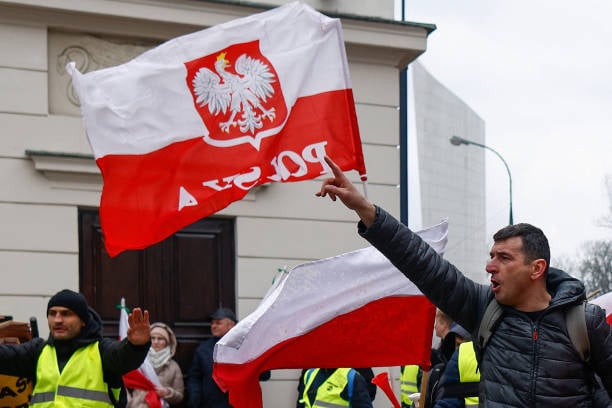
On January 9, a large protest will be held in Warsaw by Polish farmers who oppose the planned trade agreement between the European Union and MERCOSUR countries. This was reported by warszawalife.ua, according to «Коммерсант Украинский».
Agricultural producers believe that the document in its current form threatens the Polish agricultural sector and the domestic market.
The planned march will be a continuation of the nationwide protests that swept the country in late December. At that time, more than 200 rallies took place, and the organizers said they would not stop the pressure until the agreement was blocked or radically revised.
How the protest will take place
The march will begin at 11:00 a.m. near the Palace of Culture and Science in central Warsaw. The route will be over three kilometers long.
Participants plan to march to the government building and the president’s office, where they intend to appeal to the country’s leadership to prevent the agreement from being ratified.
The government’s position
The Polish Ministry of Agriculture states that the government’s position remains unchanged. The government opposes the signing of the agreement with MERCOSUR in its current form and intends to either block it at the EU level or achieve the introduction of broad protective mechanisms for European farmers.
According to the Polish side, this issue is regularly raised during negotiations in Brussels.
Why farmers are protesting
Farmers themselves fear that the agreement will open the European market to cheaper agricultural products from South American countries. According to them, this will create unequal conditions of competition and may lead to the mass closure of farms in Poland.
Farmers emphasize that their protests concern not only the industry’s income, but also the country’s food security and the quality of products entering the Polish market.
The organizers of the protests do not rule out new actions and blockades if their demands are not heard.
The confrontation over the EU-MERCOSUR agreement is increasingly becoming a pan-European problem, in which national governments are forced to balance between free trade and the protection of their own farmers.