Apricot orchards suffered due to April frosts
11 April 2025 20:16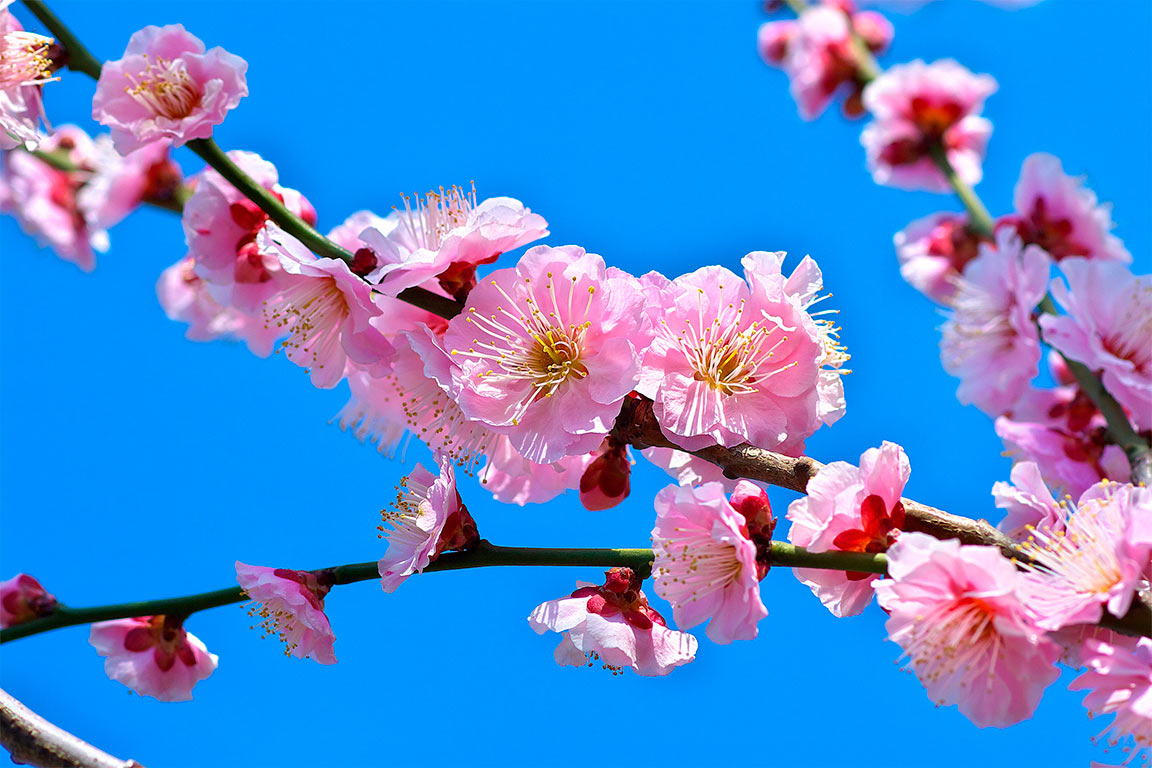
Apricot orchards in the Kherson region were damaged by April frosts. This was reported by the Kherson Regional State Administration, [ komersant] reports.
“Apricot orchards in the Kherson region were damaged by April frosts. Forecasters have been recording frosts in the region for several days. As a result, fruit and berry trees may lose their harvest, as the flowers on them wither and fall off,” the report says.
As noted, on the night of April 10, the air temperature dropped to -5.3…-5.6°C in the Beryslav district, which was fatal for the 16-hectare apricot orchard.
The EBA said that the trees were in the active flowering phase, which is when frost has the most detrimental effect on the ovaries. Despite the efforts of farmers who burned bales of straw every night to raise the air temperature, the crop could not be saved.
According to the UGA, this situation is a serious signal for all farmers in the region – climate change and unstable spring weather require new technological solutions, including active orchard protection systems.
Due to the frost, Vinnytsia farmers will not harvest more than 90% of the apricot crop, and more than 20% of cherries, cherries, apples and pears, said Serhiy Boychuk, head of Vinnytsia Sadvynprom, the Vinnytsia region’s association of gardeners, Ukrinform reports .
“The weather conditions of the last week had a bad impact on gardening, and today we can say for sure that we have lost part of the harvest. In particular, apricots, which were blooming at the time, have been lost by 90-100%. Perhaps we will harvest something from the later apricot varieties that will bloom a little later. Cherries, cherries, and other stone fruits are also frozen, but we will be able to make some conclusions and forecasts for the harvest in about a week, when they are in bloom. But part of the harvest is guaranteed to have been lost, possibly as much as 20-30%,” Boychuk said.
According to him, pome fruits (pears and apple trees) were also affected by the frost, and farmers will lose some of their harvest. According to optimistic forecasts, it is about 20% shortfall.
Berry crops were also affected by the anticyclone, despite the fact that they did not bloom during the period of rapid cooling. Low temperatures have negatively affected the course of vegetation processes, which, in particular, will affect the raspberry and blueberry harvest.
Mr. Boichuk noted that the damage caused by frost varies from farm to farm. They depend on the protection measures used by the gardeners. This includes both the use of drugs that increase plant resistance to low temperatures and the lighting of fires to raise the temperature in the gardens.
To reduce the negative impact of low temperatures, fruit trees will be treated with anti-stress drugs after the frost is over.