Will record-high public debt hit Ukrainians’ pockets?
3 February 16:47
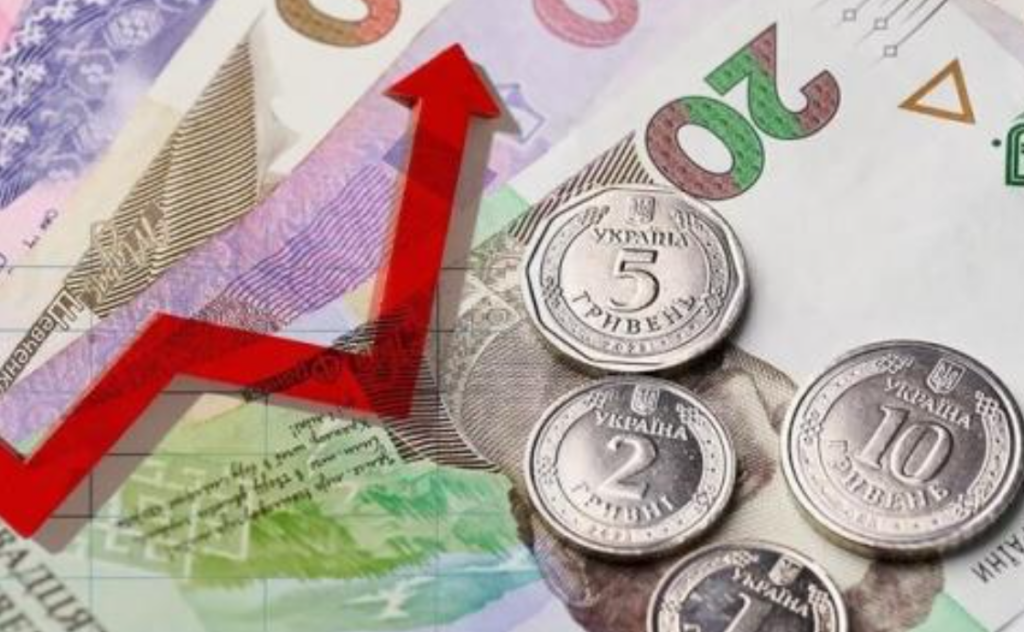
At the end of 2025 , Ukraine’s public and publicly guaranteed debt reached UAH 9.04 trillion ($213.3 billion). It grew by almost 30% over the year . The main reason was the financing of the war and the attraction of preferential loans from international partners.
Economist Andriy Novak explains in a commentary "Komersant Ukrainian" that debt growth during a full-scale war is inevitable and does not in itself mean an immediate deterioration in the lives of Ukrainians, but it does have long-term consequences.
What the numbers say
- 9,042.7 billion hryvnia — Ukraine’s total public debt at the end of 2025
- 29.5% — growth in hryvnia equivalent over the year
- about 75% of the debt is external
- over 50% of external debt — obligations to the EU
- $37.9 billion — loans from G7 countries in 2025
- 12.1 billion dollars — funding from the European Union
What does this mean for Ukrainians?
According to Novak, there is no direct link between the growth of public debt and the standard of living of citizens. At the same time, there is an indirect impact.
All state expenditures — both central and local budgets — come from one source: taxes paid by citizens and businesses.
Part of the budget is spent each year on:
- debt servicing (principal interest);
- social payments — pensions, benefits, allowances;
- defense and security.
The more money is allocated to debt, the less remains for social programs.
Debt and war
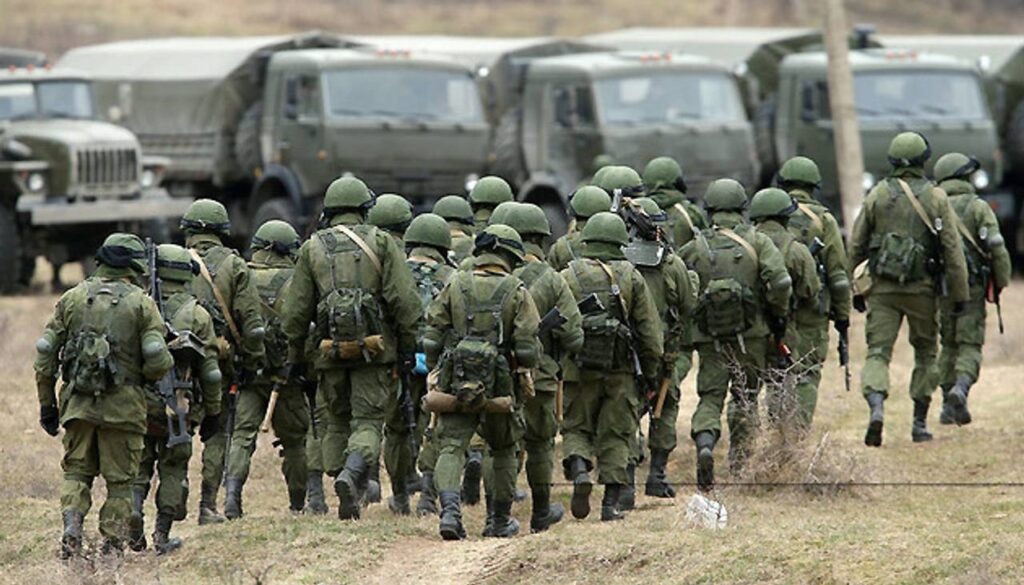
Ukraine currently spends about half of its budget on defense, with the other half covering all other needs, including social ones.
“Despite the fact that Ukraine receives a lot of aid, either non-repayable or in the form of direct material and technical assistance, Ukraine is still forced to cover part of its armaments and necessary current expenditures from the state budget at the expense of its own budget revenues and new debt borrowings, both domestic and foreign. Therefore, it is only natural that during the war, and as long as it continues, it should come as no surprise that the national debt will grow,” Novak says.
According to President Volodymyr Zelenskyy’s estimates, one year of war costs Ukraine about $120 billion.
The government predicts that
- the debt-to-GDP ratio will grow to 106%;
- nominal debt exceeding UAH 10 trillion.
Why current debts are not the worst-case scenario
The Ministry of Finance emphasizes that a significant part of the debt consists of preferential loans, and EU loans under the Ukraine Facility program have a 11–12-year deferral period, with interest covered by the European Union itself.
ERA loans are planned to be repaid from the proceeds of frozen Russian assets, not from Ukrainian taxes.
What will happen after the war
Andriy Novak believes that after the war ends, Ukraine should raise the issue of complete debt forgiveness.
The complete write-off of Ukraine’s public debt is a meager, minimal token of gratitude, first and foremost, from European countries to Ukraine for the fact that there is no war and there has been no war on their land, on their territory, in their countries. Therefore, any government that will be in Ukraine after the war, regardless of its political color, names, and surnames, must raise the issue, one of the first economic issues, of the complete write-off of Ukraine’s state debt. In this way, we will be able to relieve Ukrainians and future generations of Ukrainians of this debt burden.
In his opinion, this will allow more budget funds to be spent on increasing social payments, i.e., raising the standard of living of Ukrainians.