When it “flies” into the house: how to restore housing and insure property
27 June 2025 16:25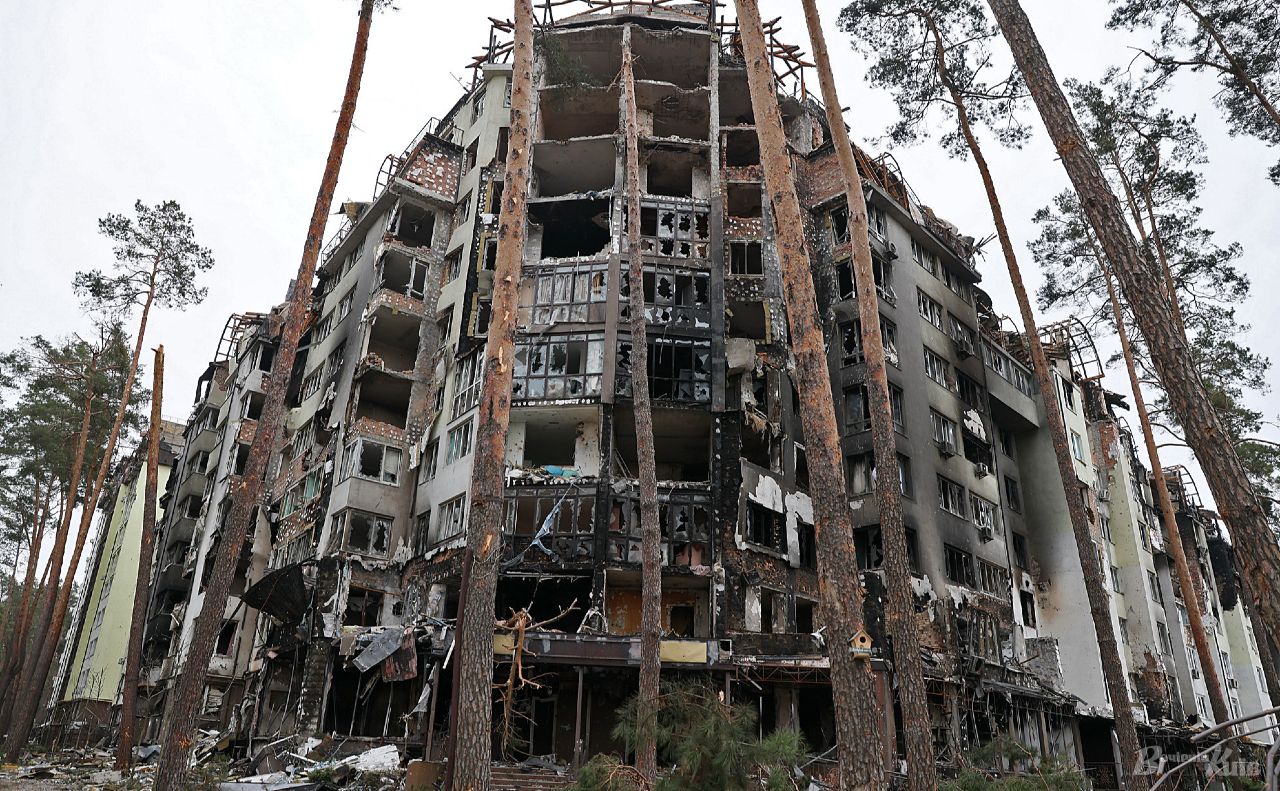 ANALYSIS FROM
Every day, houses and apartments are damaged by shelling, as well as non-residential buildings such as office centers, industrial workshops, etc. And every day, Ukrainians wonder what to do if a shell hits their home or a nearby building and damages windows, roofs, and walls; where to get funds for repairs; and whether it is possible to insure their property against such risks. As it turned out, it is possible – but not all property and not against all war risks. Read more in the article
The total number of registered damaged or destroyed residential properties in Ukraine as of May 2025 is approximately 234,000 buildings, both private and multi-apartment. And more than 2 million households were affected (in terms of housing stock) – including light damage (windows, roofs, walls). And, unfortunately, these figures may grow, so the question remains: how to insure property against such risks, for how much and how to receive payments.
On the one hand, you can count on government assistance – the program of compensation for destroyed/damaged property is Vindustriya. But you will have to go through a certain procedure. You have to submit an application through the Diia portal, select the type of damage (minor/significant), upload a photo, and provide the data. Then, the damage is assessed: a commission specialist or a BTI expert inspects the object and draws up an act (in case of major repairs or restoration). The local commission then reviews the report and decides on the amount of compensation. The money is transferred to a special eVosstanovlenie card from one of the partner banks. The funds should be spent on construction materials or payment for work only from official sellers/contractors participating in the program.
In addition, you need to collect your identity documents – passport (ID card or international), identification code. Certificate of ownership or an extract from the State Register of Property Rights. Documents confirming residence (if the housing is not registered in the applicant’s name) – utility bills, registration, etc. are acceptable. You also need to submit a certificate of no criminal record.
All this can take time. But there is another way – to insure your property, including housing, against war risks and receive additional compensation, because one does not interfere with the other.
You can insure against drones and missiles
According to
Initially, it was a very limited product – the coverage was small and it was expensive. But over time, the products began to level off in terms of price and coverage. For example, vehicles were already covered up to half the cost of a car – these were separate programs to existing hull insurance contracts or additional options in them. “As for property, there were offers that could be simply bought on the website,” says Denys Yastreb.
“At the same time, today it is possible to insure property only against the consequences of falling drones or missiles. Insurance against the consequences of artillery shelling, air strikes, or the use of small arms, i.e. direct hostilities, is currently not available on the market, explains Yastreb.
In other words, if a downed drone falls and a house or apartment catches fire, a wall collapses, the roof is damaged, etc., it is an insured event. But if the damage is caused by mortar or anti-aircraft fire, no compensation will be paid.
Up to UAH 20 million for a destroyed building or house
Therefore, according to the insurer, there are also territorial restrictions: insurance is not provided in the occupied territories and in regions near the war zone – at a distance of 50 to 100 km. And this applies not only to the territories near Russia but also to Belarus. There are also risky objects, such as critical infrastructure and manufacturing facilities, especially those related to the defense sector, which are frequently visited by foreigners. Insurers, realizing the risks, either limit insurance or increase the cost of policies.
There are also restrictions in the housing stock. If an insurer has insured many apartments in one building, the limit applies, because in the event of a destruction, the burden on the company will be too great. However, if one insurer fails to insure due to restrictions, you can turn to another. However, not all companies work with such policies – only those in the top 10-15,” explains Yastreb.
According to the expert, the popularity of property and life insurance is growing with the intensity of shelling and the scale of destruction, unfortunately. But as soon as the shelling stops, the demand also decreases. However, property insurance is much more common in central Ukraine than in the western regions.
Read also: How to get compensation for destroyed housing during the war
Tariffs
A car is insured for 1% of its value if it does not have hull insurance.
Housing (apartment, house) – the annual rate is approximately 0.8%-2.5% of the sum insured.
The maximum payout is usually limited: from UAH 100 thousand to UAH 5 million, but it can reach UAH 10-20 million, for example, for a large private house.
Usually, there is a 5-20% deductible, and the coverage is 10-20% of losses.
Housing is valued at the average market value.
Insurance money can be spent at your own discretion
When an insured event occurs, you need to call the public services: police, SES, ambulance, and then call the insurance company, which will explain the procedure. As a rule, you need to take photos, videos, and write down the contacts of witnesses. Then contact the insurer. The company assesses the damage, conducts an inspection and makes a payment.
The law provides for the targeted use of funds – to restore damaged property. But insurance companies do not control how a person spends this money. The only exception is if a person asks to pay for the restoration work directly.
Author – Alla Dunina
Читайте нас у Telegram: головні новини коротко