China cuts Russian oil purchases by two-thirds – Bloomberg
18 November 2025 14:09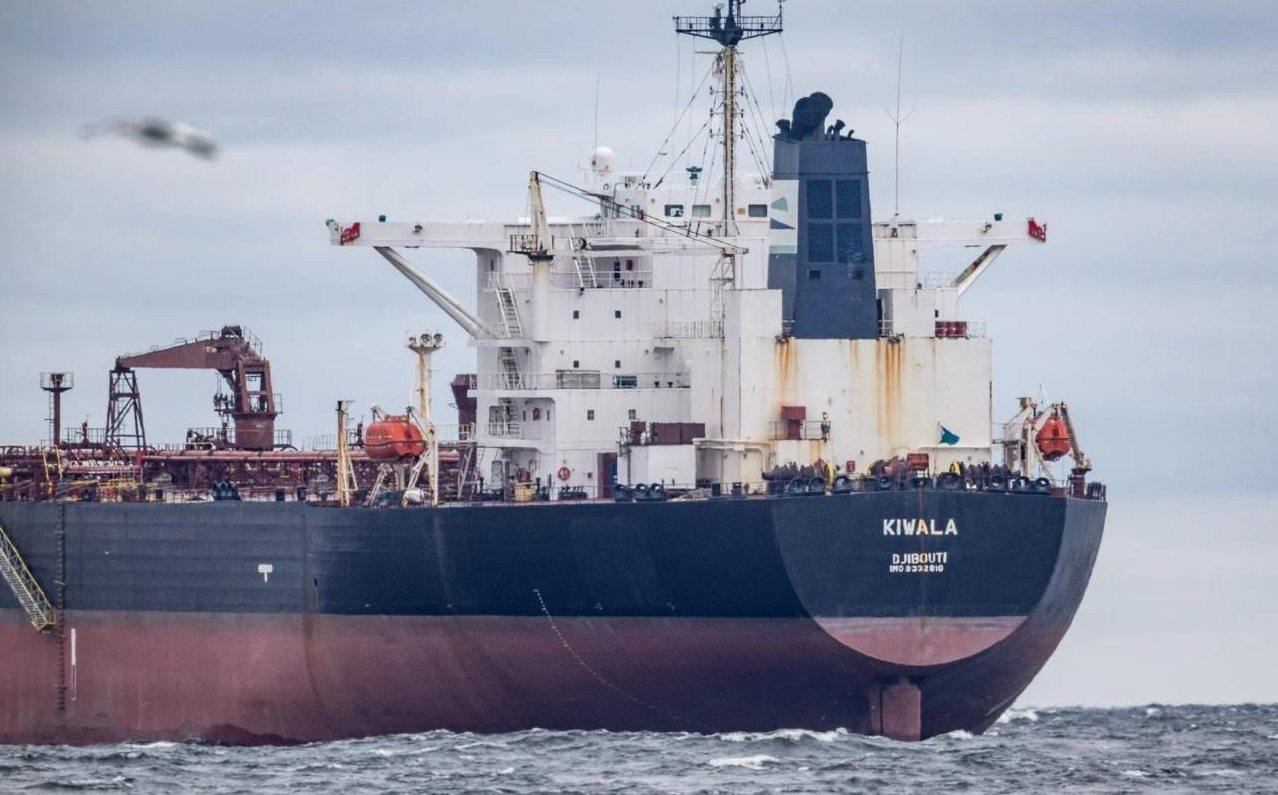
China’s major state-owned companies have suspended purchases of Russian ESPO oil, which accounts for the bulk of maritime exports from Russia to China, after Washington imposed sanctions on Rosneft and Lukoil. Some private refiners, who are usually more risk-tolerant, also began to avoid it after the European Union and the United Kingdom blacklisted the Shandong Yulong Petrochemical refinery, which was a major buyer of Russian oil.
All this caused an uncharacteristic anxiety in the Chinese market, Bloomberg writes, "Komersant Ukrainian" reports.
According to Rystad Energy, in November, the average daily import of Russian oil to China may fall by 500,000-800,000 barrels, or two-thirds of the usual level. Due to the refusal of Chinese refineries to accept ESPO oil in the previous volumes, an oversupply of it has formed in the region, which puts pressure on prices: the grade (including transportation costs) is now offered at a discount of $4 per barrel to benchmark grades, while at the end of October it was 50 cents.
The resulting fear is what distinguishes the latest US measures from previous restrictions, says Vandana Hari, founder of Singapore-based analyst firm Vanda Insights:
“The US sanctions against Rosneft and Lukoil could be a watershed moment to some extent.
They “could have the most far-reaching consequences for global oil markets” and carry a “risk of a significant decline” in oil production in Russia, the International Energy Agency (IEA) said on Thursday.
According to the agency, unsold oil remains on tankers used as floating storage facilities. Over the past two months, the total volume of such oil has increased by 194 million barrels, and Russia has made a significant contribution to this process, “as buyers assess the risks of non-compliance with sanctions requirements and possible workarounds.” Overall, the share of sanctioned oil in this volume was about 32%, according to the IEA.
Russia is the fastest growing country in terms of tanker storage, according to Bloomberg’s analysis of ship movement data: its volume increased by 9% from the end of August to the end of October, from almost 356 million to 388.4 million barrels.