February balance sheet: prices for eggs and oil went up, while prices for sugar and clothing went down
11 March 2025 17:58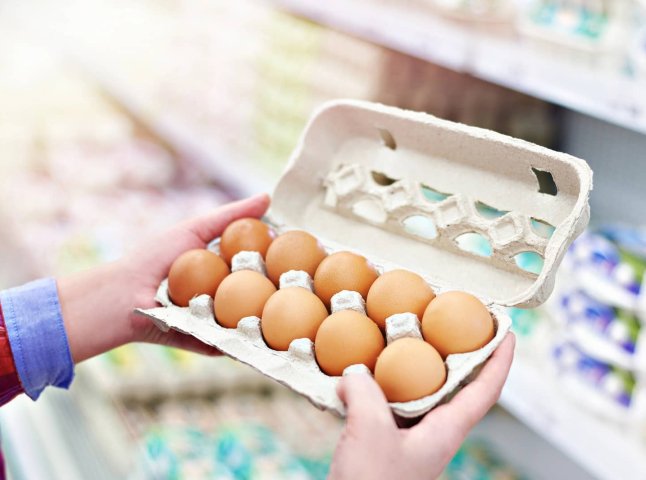
Annual inflation accelerated to 13.4% in February, while food and soft drinks rose by 1.2% over the month as a whole. This is according to the State Statistics Service, "Komersant Ukrainian" reports.
The acceleration of consumer inflation to 13.4% on an annualized basis is the highest annual inflation rate since May 2023. MP Danylo Hetmantsev draws attention to this in his post on Telegram.
According to him, such an acceleration is expected against the backdrop of a lower comparison base in February last year, when consumer inflation was significantly lower (0.3%).
He also recalled two main factors behind the acceleration of inflation, which has been going on since the middle of last year:
– Seasonal factors in the form of unfavorable weather conditions in the summer and fall of last year, which led to lower yields and a decrease in the supply of agricultural raw materials/selected raw foods.
– The fundamental factors pushing up core inflation are rising production costs for labor, raw materials, and energy.
The war itself will remain the main pro-inflationary risk in the near future, putting pressure on business production costs. At the same time, according to Danylo Hetmantsev, inflation will slow down as the effect of the worse harvest is exhausted, the NBU’s tighter monetary policy, which raised its key policy rate to 15.5% for the third time in the last 3 months on March 7, and the controlled situation in the foreign exchange market.
By the way, his colleague, MP Yaroslav Zheleznyak, has his own explanation of the main reasons for the rise in inflation. Commenting on the State Statistics Service’s announcement of a February acceleration of inflation to 13.4% year-on-year in his Telegram, he emphasized that “here we should thank the government and the President’s Office for Zelensky’s ‘wonderful’ idea to give away 1000 UAH and other populist steps.”
What about prices for goods and services
Food and non-alcoholic beverages went up by 1.2% over the month. MP Danylo Hetmantsev notes that among food products, eggs (plus 3.5%), sunflower oil (plus 3.4%), and pasta (plus 1.9%) have grown in price at the highest rate over the past month. Sugar fell in price over the month (minus 0.4%).
Among non-food goods and services, the fastest rising prices in February were for alcoholic beverages and tobacco (plus 1.3%), hotel and restaurant services (plus 1.2%), road transport, healthcare, fuel and oil (plus 1.1% each), and garbage collection (plus 1%). At the same time, clothing and footwear (minus 3.1%) and rail transportation (minus 0.9%) fell in price over the month.
What does the NBU forecast?
Inflation will continue to rise in the coming months, but will start to decline in the middle of the year. This is stated in the quarterly Inflation Report for January 2025.
According to the NBU, the acceleration of inflation in the coming months will reflect a limited supply of food due to last year’s poor harvests, as well as higher production costs, including energy and labor costs. However, this trend will not last. Inflation is expected to peak in the second quarter and begin to decline in the middle of the year. The NBU forecasts that inflation will slow to 8.4% by the end of 2025.
The slowdown in inflation will be driven by the NBU’s interest rate policy measures, the stability of the FX market, the expansion of food supply with the arrival of a new harvest, the narrowing of the fiscal deficit, and moderate external price pressure. Disparities in the labor market will weigh on prices, but the contribution of this factor will gradually decline as wage growth slows. In addition, business investments in energy independence have largely already been reflected in prices, so amid expected declines in energy deficits, this factor will also help to reduce inflation.
With the gradual normalization of economic conditions, further improvement in the energy and labor markets, a significant reduction in the budget deficit, and the effects of the NBU’s monetary policy measures, consumer inflation will return to the NBU’s 5% target in 2026.