IAEA releases statement on radiation levels after Israeli strike on Iran
13 June 2025 14:09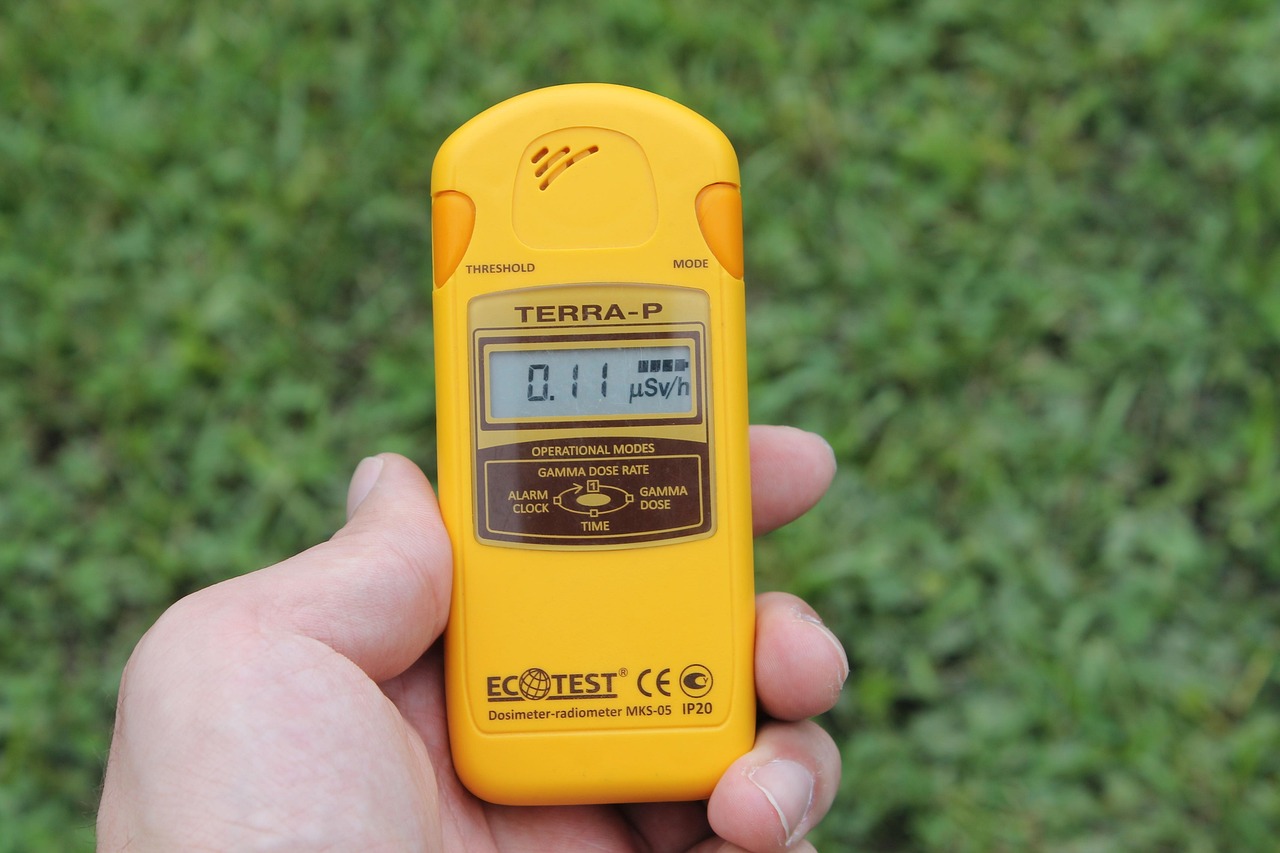
The International Atomic Energy Agency (IAEA) has confirmed that the Natanz nuclear facility in Iran was among the targets during Israel’s large-scale military operation against the Islamic Republic on the night of June 13, 2025, "Komersant Ukrainian" reports.
As a reminder, Israel conducted the largest military operation against Iran in decades, using more than 200 combat aircraft to attack more than a hundred targets, including nuclear infrastructure.
IAEA Director General Rafael Grossi said that the agency is “closely monitoring the deeply disturbing situation in Iran” and can confirm that the Natanz facility has been added to the list of attacked targets. The agency is in contact with the Iranian authorities regarding the level of radiation and keeps in touch with inspectors in the country.
According to available information, no man-made disasters occurred as a result of the strikes.
“The Iranian authorities have informed the IAEA that the Bushehr nuclear power plant was not the target of the attacks and that there was no increase in radiation levels at the Natanz facility,”
– Grossi said in his statement.
Later, the IAEA reported that the nuclear facilities in Isfahan and Fordo were also not affected.
The IAEA continues to monitor the situation and maintain contact with the Iranian side on the state of the country’s nuclear facilities.
Читайте нас у Telegram: головні новини коротко
Nuclear facilities in Iran
Iran has an extensive network of nuclear facilities, the key ones being the Natanz uranium enrichment plant, the Fordow underground complex, the Arak reactor, and research facilities in Tehran. Natanz is considered to be the most important, as it is home to thousands of uranium enrichment centrifuges, including the modern IR-6 model, which can significantly speed up the production of nuclear material.
Fordo, which was initially hidden from the IAEA, is the object of special attention due to its protected underground location, where uranium enrichment centrifuges are also installed. Arak, for its part, has a heavy-water nuclear reactor that could potentially produce plutonium suitable for nuclear weapons, but after the 2015 nuclear deal, Iran committed to modifying this reactor.
Despite the agreements with the international community, Iran has gradually reduced its compliance with its obligations, especially after the US withdrew from the nuclear deal in 2018. This has raised concerns about the potential militarization of its nuclear program. According to the IAEA, Iran is currently enriching uranium to levels that are close to those required to produce a nuclear warhead.
Читайте нас у Telegram: головні новини коротко