Large-scale shelling of energy facilities: how long Ukraine will be without electricity in winter 2025
13 December 2024 18:11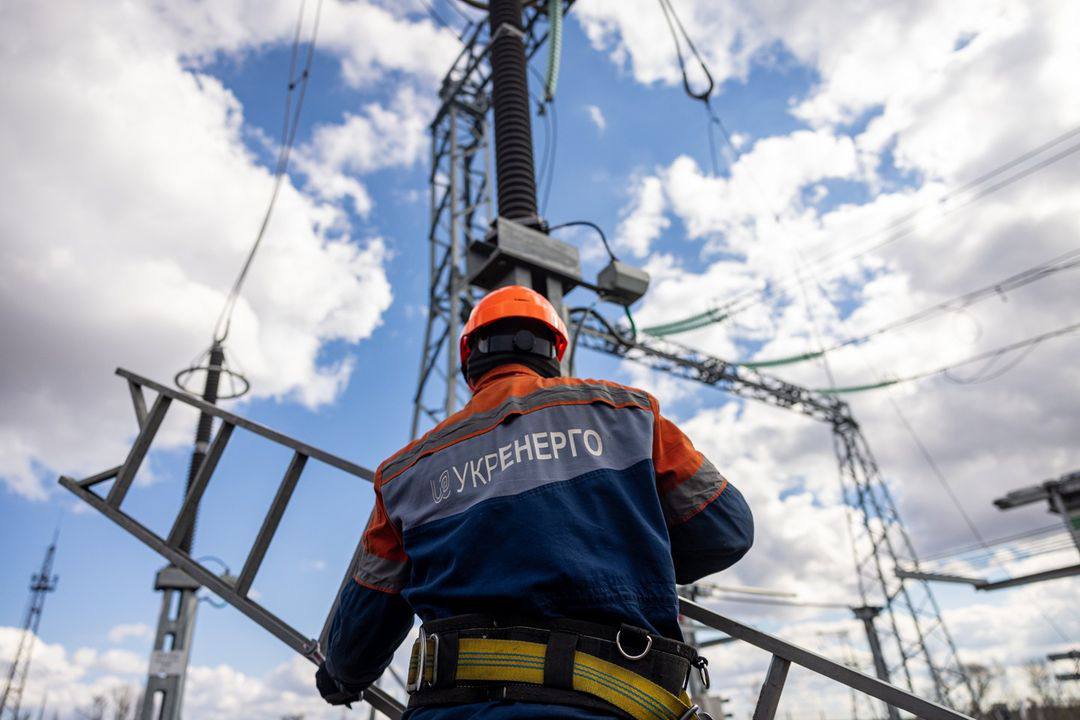 ANALYSIS FROM
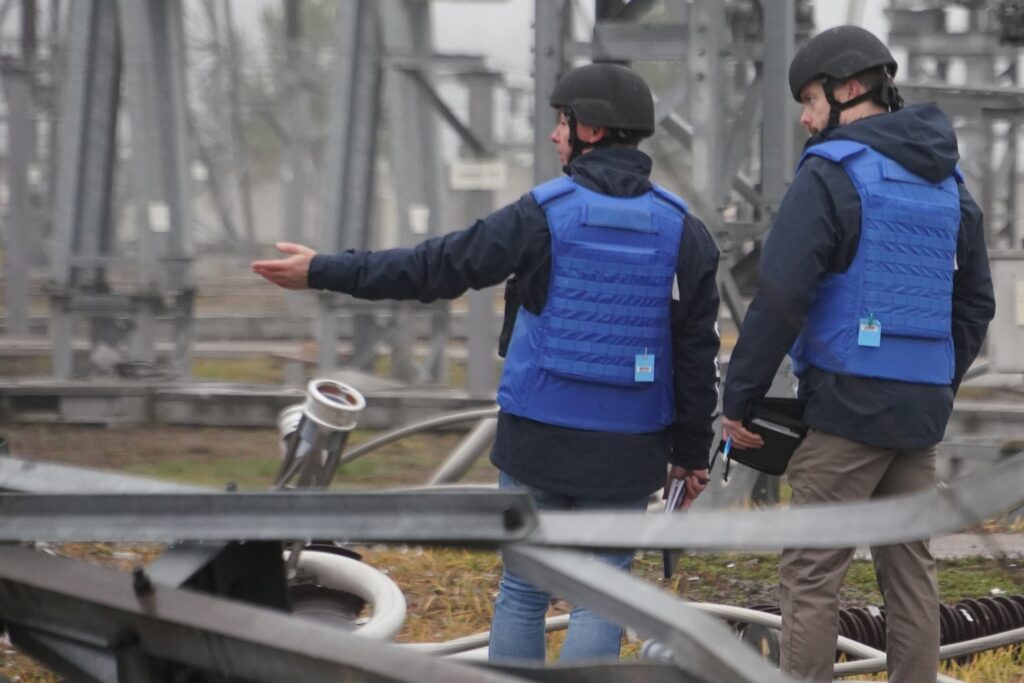
Today, Russia has carried out its twelfth massive attack on energy infrastructure since the beginning of the year. As a result of a missile and drone strike, power facilities in several regions of Ukraine were damaged. This was reported by the press service of Ukrenergo.
In particular, due to this attack, the volume of electricity consumption restrictions had to be increased, in particular, the number of queues in the schedule of hourly outages increased compared to the previous forecast for that day.
“Emergency repair and restoration works at the damaged facilities began immediately after the air raid was over. Power engineers are doing everything possible to restore electricity supply as soon as possible,” the statement said.
At the moment, three stages of the hourly blackout schedule are simultaneously operating in all regions.
Since the beginning of Russia’s full-scale invasion of Ukraine, according to Stanislav Ignatiev, PhD, Executive Director of the Institute for Sustainable Development and Chairman of the Board of the Ukrainian Renewable Energy Association, the Ukrainian energy system has suffered significant losses. In an exclusive commentary for
Destruction of energy capacities: what Ukraine has lost
“Since the beginning of the war in Ukraine, 42% of the power system’s generating capacities have been destroyed and occupied. The biggest losses were the damage to the Zaporizhzhia nuclear power plant (6 GW) and significant problems with heat generation. Coal-fired thermal power plants lost 87% of their capacity,” Ignatiev said.
The expert also said that 2.3 thousand MW of hydropower generation capacity was damaged. According to him, these figures point to serious challenges for the stable functioning of the country’s energy system in times of war.

Three scenarios for energy development until 2025
Stanislav Ignatiev presented three possible scenarios for the development of the energy situation in Ukraine in the coming years. Scenario 1 – Lack of investment and electricity shortage. In this scenario, if investors’ confidence in the energy sector is not restored, and if the shelling of energy facilities does not stop, Ukraine will face an electricity shortage for the next 5-7 years. Ignatiev emphasizes that this deficit cannot be covered by imports. Therefore, Ukrainians are likely to have to get used to long schedules of hourly blackouts and the reality of a “country of generators.”
“The outage schedules will continue, and the power system will be very vulnerable, with a great risk to the country’s energy security,” Ignatiev explains.
Scenario 2 – Optimistic development with investment. This scenario assumes that investors will return to the energy sector, which will allow restoring some of the destroyed capacities. It is already planned to build up to 800 MW of wind power plants, as well as to develop rooftop solar power plants (SPPs) with a capacity of up to 0.5 GW. In addition, they will invest in gas-piston generation to cover their own needs.
“In the case of a stable situation, with the support of investments, we can expect a reduction in the electricity deficit and a decrease in the load on the general power system by 2025,” the expert notes.

Scenario 3 – Continued massive attacks on energy facilities. If the attacks on energy infrastructure continue, especially on Ukrenergo’s substations, the situation with the electricity shortage may worsen significantly. According to Ignatiev, if substations are severely damaged, the power system may “disintegrate” into regional “energy islands.” This will mean that some regions will be able to cover only their own minimum energy needs, which will lead to long power outages.
“For example, in Kyiv, where 1.1 GW of electricity is consumed during the day and 1.5 GW at peak, the available generation can cover only 0.7 GW. This will mean up to 10-12 hours of blackouts per day,” Ignatiev warns.
The need to restore energy security
As Stanislav Ihnatiev emphasizes, restoring energy capacities and attracting investments are critical to ensuring the stable functioning of Ukraine’s energy system in the coming years. However, the success of this process will depend on the military situation, as well as on the ability of the state and private business to work together to restore and modernize the energy infrastructure.
Author – Daryna Glushchenko