Popenko criticized the bonus system for energy workers and called for salaries to be raised to 50,000 hryvnia.
5 March 14:55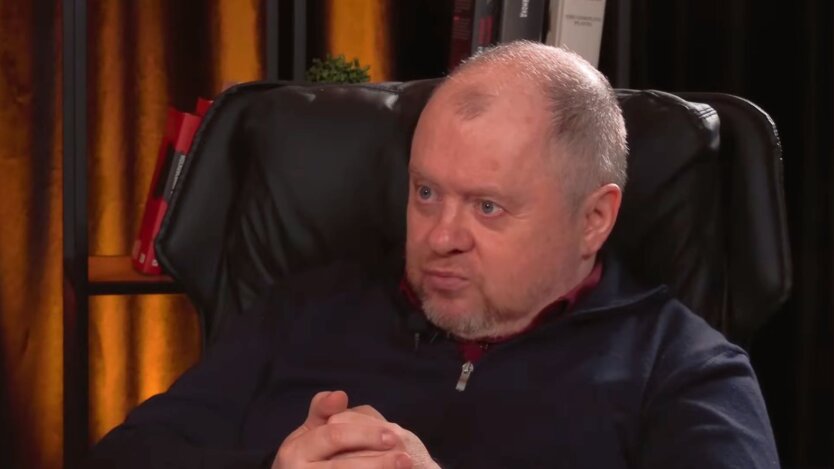
Oleg Popenko, head of the Union of Utility Consumers, commented on the government’s initiative to introduce annual bonuses for energy workers. In an interview with the YouTube channel "Komersant Ukrainian", he said that one-time payments do not solve the systemic problem of low wages in the industry.
Earlier, Prime Minister Yulia Svyrydenko announced that up to 50 energy workers would be eligible to receive bonuses of 200,000 hryvnia per year for working in wartime conditions. Popenko emphasized that thousands of specialists work in frontline and difficult regions.
“Kyiv, Kharkiv, Dnipro, Odesa, and Poltava regions have 4-5 thousand energy workers who work in frontline areas and extremely difficult conditions. And we are giving a bonus of 200,000 hryvnia to 50 people.”
He acknowledged that it is right to reward the best employees, but believes that the key is to increase base salaries. According to Popenko, the average salary of an energy worker today is about 20,000 hryvnia, while he considers at least 50,000 hryvnia to be fair.
Comparison with top management payments
Popenko also mentioned the significant payments to the heads of state-owned companies. In particular, he said that the former head of Ukrenergo, Volodymyr Kudritsky, received tens of millions of hryvnia in compensation and bonuses upon his dismissal. Also, according to the expert, some managers and advisors in the energy sector received high monthly remuneration.
He also cited the example of the work of supervisory boards and consultants at Naftogaz of Ukraine during the leadership of Andriy Kobolev, specifically mentioning Lana Zerkal, who, according to him, received significant remuneration.
“Once we sort out all these accruals, the costs of supervisory boards and experts, we will be able to calmly raise the salaries of energy workers from 20,000 to 50,000 hryvnia.”
Popenko believes that there are resources to increase salaries in the public sector, but there is a lack of political will. At the same time, he noted that the current government has begun to pay more attention to the work of supervisory boards in state-owned companies.