A mandatory evacuation has been ordered for 23 more settlements in the Dnipropetrovsk region
18 June 05:21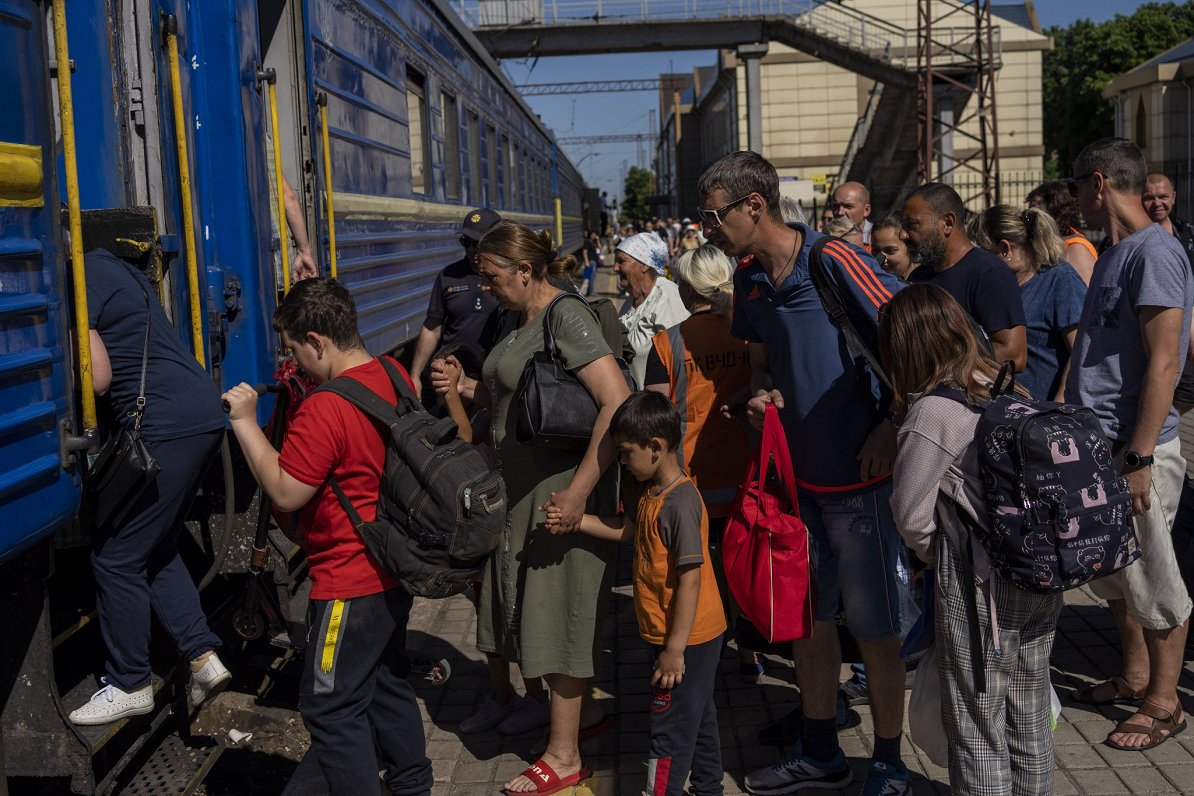
In the Dnipropetrovsk region, the mandatory evacuation zone for families with children has been expanded. Families with children are required to leave another 23 settlements in the Synelnykivskyi district due to the dangerous situation and ongoing Russian shelling. This was announced by Oleksandr Hanzha, head of the Dnipropetrovsk Regional State Administration, according to "Komersant Ukrainian"
The affected settlements are located in the Shakhtarska, Dubovykivska, and Bohynivska communities. Nearly 3,800 children are expected to leave these dangerous areas within a month.
Where the mandatory evacuation was announced
The new phase of the evacuation affects 23 settlements in the Synelnykivsky District of Dnipropetrovsk Oblast.
The list includes settlements in three communities:
- Shakhtarska;
- Dubovykivska;
- Bohynivska.
These areas are in a high-risk zone due to the threat of shelling and the deteriorating security situation.
How many children need to be evacuated
According to regional authorities, nearly 3,800 children are to be evacuated from dangerous areas over the course of a month.
This involves the mandatory evacuation of families with children. This approach is being implemented in areas where the presence of minors poses a particular threat to their lives and health.
At the same time, the evacuation of the adult population is underway in seven communities in the Synelnykivskyi District.
What is known about the evacuation in the Nikopol region
Oleksandr Hanzha also reported that all families with children have already left Novokyivka, Illinka, and Vyshchetarasivka in the Nikopol district.
At the same time, the evacuation is continuing on one street in Marganets and on nearly 100 streets in Nikopol.
The Nikopol district is regularly under Russian shelling, so local authorities are continuing to evacuate people from the most dangerous areas.
How many people have already left
In total, more than 49,500 people have already been evacuated from the Synelnykivsky District.
Nearly 750 residents have left the Nikopol district.
These figures demonstrate the scale of evacuation efforts in the Dnipropetrovsk region and indicate that the security situation in certain communities remains challenging.
How the evacuation is proceeding
The evacuation is taking place through transit centers. There, people are provided with the necessary assistance and support.
Evacuees can receive:
- financial assistance;
- legal counseling;
- psychological support;
- medical care;
- food packages;
- hygiene kits;
- assistance with document restoration;
- assistance with further resettlement.
This approach is designed to help people leave dangerous communities more safely and adapt more quickly to their new surroundings.
Why the evacuation is being expanded
The decision to expand the mandatory evacuation is due to the deteriorating security situation in frontline and border communities in the Dnipropetrovsk region.
The Synelnykivsky District is located in the eastern part of the region and borders Donetsk Oblast. Due to their proximity to the combat zone, certain communities in the district face an increased threat.
On May 20, due to the deteriorating situation and constant shelling, emergency security measures were already implemented in the Synelnykivsky District.
Mandatory evacuation of children: what does this mean?
Mandatory evacuation of families with children means that minors must leave the dangerous area together with their parents, legal guardians, or persons acting in their stead.
Such decisions are made when it is dangerous for children to remain in certain settlements due to shelling, infrastructure damage, or a threat to their lives.
The main goal of evacuation is to save children’s lives and provide them with safer conditions.
Why It’s Important Not to Delay
Local authorities are urging residents of dangerous areas not to delay their departure. In communities near the front lines, the situation can change very quickly, and shelling poses a direct threat to civilians.
This is especially true for families with children, the elderly, and people with chronic illnesses, who find it more difficult to evacuate on their own if the situation escalates.
Read us on Telegram: important topics – without censorship