The 2026 harvest has begun in Ukraine: farmers have issued a harvest forecast
20 June 05:58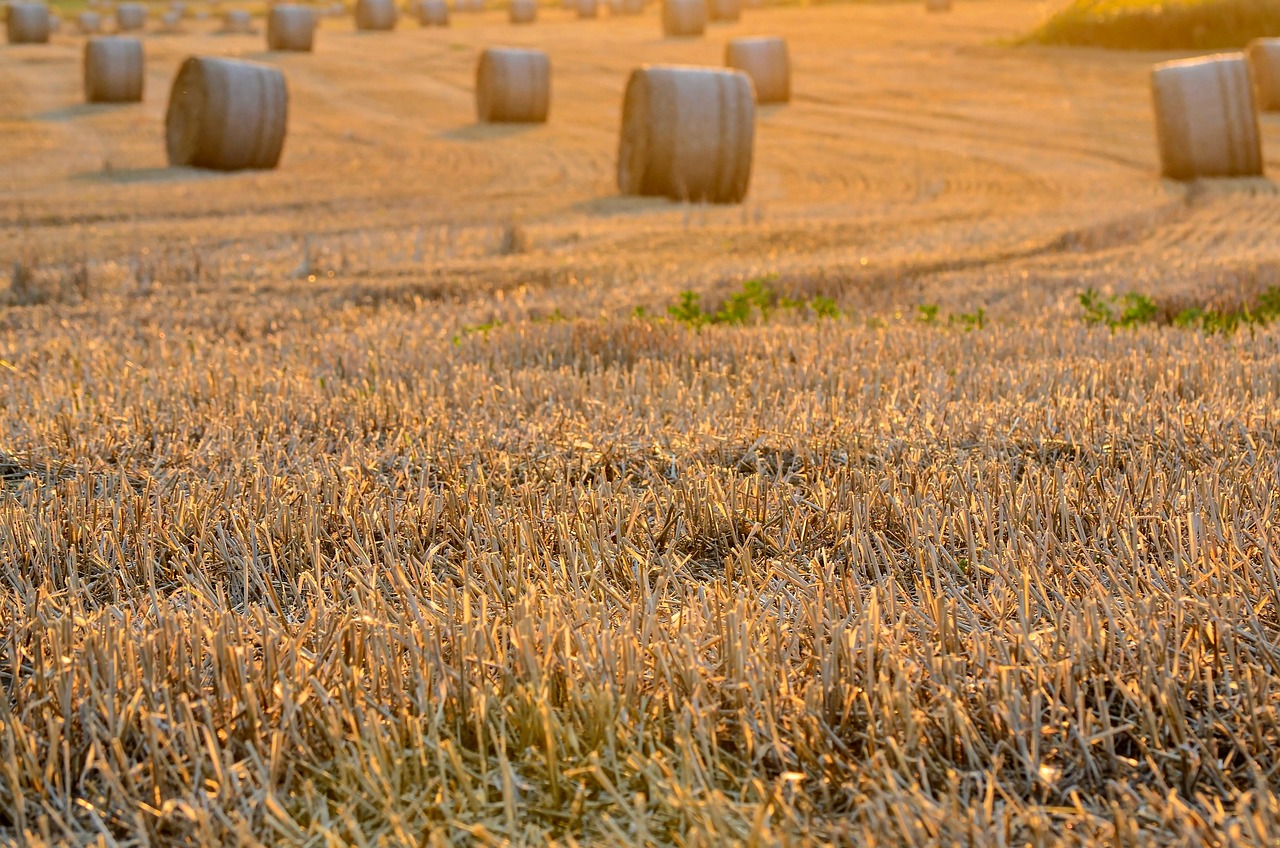
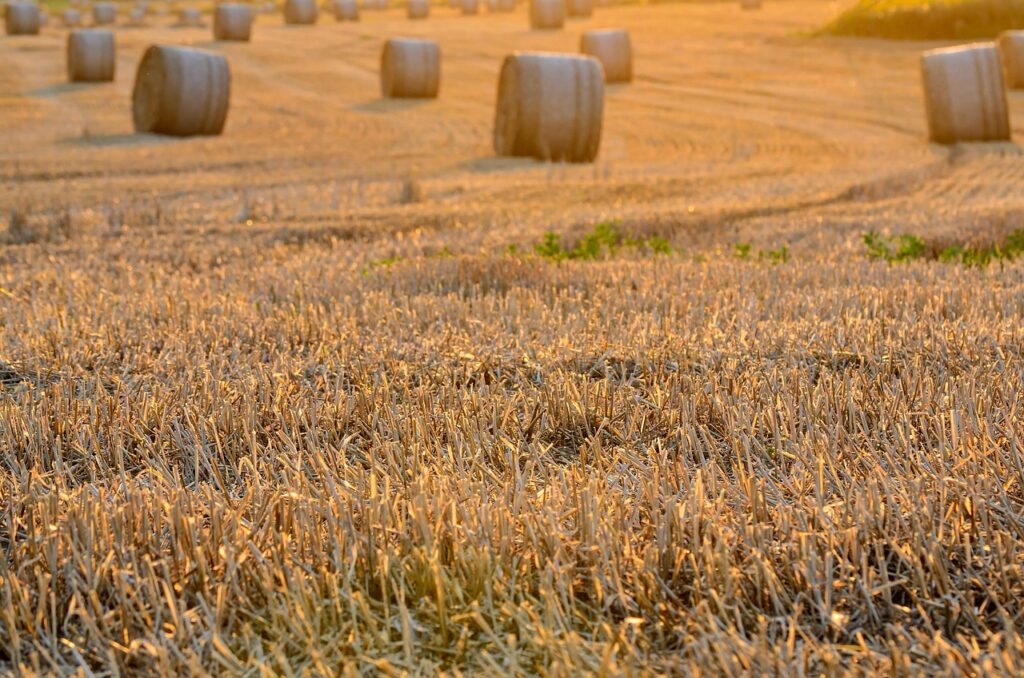
The 2026 harvest season has officially begun in Ukraine. Farmers in the southern districts of Odesa Oblast were the first to begin harvesting the new crop. This was reported by "Komersant Ukrainian", citing the Ministry of Economy.
Winter barley and overwintering peas are already being threshed in the fields. The harvest began amid a challenging security situation, the constant threat of Russian attacks, and adverse weather conditions.
At the same time, the condition of the crops gives grounds for cautiously optimistic forecasts. According to preliminary estimates, Ukraine could harvest between 81 and 83 million metric tons of grains and oilseeds in 2026.
Where the 2026 Harvest Began
Farmers in the southern districts of the Odesa region were the first to begin harvesting the new crop.
It is in the south of the country that grains ripen earlier due to the warmer climate and higher temperatures. The harvest campaign will gradually spread to the central, eastern, northern, and western regions.
The start dates for harvesting in each region will depend on:
- weather conditions;
- grain moisture content;
- crop maturity dates;
- the condition of the fields;
- the security situation.
The Odesa region has traditionally been one of Ukraine’s leading agricultural regions and accounts for a significant portion of the country’s grain and oilseed production.
Which crops are harvested first
At the start of the harvest, farmers in the Odesa region thresh:
- winter barley;
- winter peas.
Winter barley traditionally ripens earlier than wheat and other grain crops, which is why the harvest season often begins with it.
As the crops ripen, farmers will move on to harvesting wheat, spring barley, rapeseed, and other crops.
Corn and sunflowers will be harvested later—in late summer and fall.
What Harvest Is Expected in 2026
According to a preliminary forecast by the Ministry of Economy, the total harvest of grain and oilseed crops could reach 81–83 million metric tons.
Specifically, farmers are expected to harvest:
- cereals — 60–61 million metric tons;
- wheat — 22–23 million metric tons;
- corn — over 32 million metric tons;
- barley — about 5 million metric tons.
The expected grain output is roughly in line with last year’s figures.
However, the forecast for wheat is more conservative due to a reduction in planted acreage and a possible decline in yields in certain regions.
The wheat harvest could reach up to 23 million metric tons
Wheat production in 2026 is projected to be 22–23 million metric tons.
Yields will be influenced by:
- planting area;
- spring frosts;
- precipitation;
- air temperature;
- availability of fertilizers;
- farmers’ ability to carry out fieldwork.
Despite military and weather risks, the expected harvest should be sufficient to meet domestic demand and support export shipments.
Corn production could exceed 32 million metric tons
Corn accounts for the largest share of spring grains in the crop mix.
In 2026, approximately 4.37 million hectares were planted with corn. Under favorable weather conditions, the corn harvest could exceed 32 million metric tons.
Corn remains one of the Ukrainian agricultural sector’s main export commodities.
At the same time, the final yield will largely depend on the amount of rainfall in the summer and temperature conditions during grain formation.
How much land did farmers plant?
The 2026 spring planting campaign has been completed.
Ukrainian farmers planted 5.88 million hectares of spring grains and legumes.
Specifically, the following were planted:
- spring wheat — 186,600 hectares;
- spring barley — 713,6 thousand hectares;
- peas — 259.7 thousand hectares;
- oats — 137,5 thousand hectares;
- buckwheat — 55.1 thousand hectares;
- millet — 38.5 thousand hectares.
In total, more than 20 million hectares were planted with winter and spring grain and oilseed crops for the 2026 harvest.
Watch us on YouTube: important topics – without censorship
Will Ukraine Have Enough Grain?
Taras Vysotsky, Deputy Minister of Economy, Environment, and Agriculture, stated that the expected harvest should fully meet the country’s domestic needs.
“Despite the war, resource shortages, and challenging weather conditions, our farms completed planting on time and are beginning the harvest. This is a testament to the resilience of Ukraine’s agricultural sector, which remains one of the key drivers of the economy and a guarantor of the country’s food security. We expect this year’s harvest to fully meet Ukraine’s domestic needs, preserve the sector’s export potential, and strengthen our country’s position in the global food market,” Vysotsky noted.
This refers to the needs of:
- the population;
- the food industry;
- livestock farming;
- processing enterprises;
- building reserves.
Ukraine will be able to export its surplus production.
Thus, even under wartime conditions, the country should maintain its status as one of the major food suppliers to the global market.
What will the export potential be?
A harvest of 81–83 million metric tons will allow Ukraine to maintain significant export potential.
The main export crops remain:
- corn;
- wheat;
- barley;
- sunflower;
- rapeseed;
- soybeans.
Export opportunities will depend not only on harvest volumes but also on the operations of seaports, railways, road crossings, and Danube routes.
Other key factors will include global prices, logistics costs, and the safety of navigation in the Black Sea.
Under what conditions is the harvest taking place?
The harvest is taking place amid a full-scale war.
Farmers are facing the following risks:
- missile and drone attacks;
- landmines;
- damage to agricultural equipment;
- power outages;
- labor shortages;
- high costs of fuel, fertilizers, and plant protection products;
- logistical challenges.
It is particularly dangerous to carry out fieldwork in frontline and border regions.
How the Weather Affected the Harvest
The planting season followed an unusually cold spring and severe frosts.
In some regions, low temperatures may have damaged seedlings, slowed plant growth, and affected future yields.
At the same time, rainfall in late spring and early summer partially improved the condition of the crops.
Final harvest figures will depend on the weather during the harvest, as prolonged rains could complicate harvesting and reduce grain quality.