Rotterdam case: another defendant released from liability due to statute of limitations
24 September 2025 17:20
The High Anti-Corruption Court (HACC) has granted the application of former NEURC member Olena Antonova, who was accused of negligence in the Rotterdam case, "Komersant Ukrainian" reports.
The court explained the decision by saying that the statute of limitations had expired since the time of the alleged offense. The proceedings against Antonova were closed, and the civil suit against her was left without consideration.
Who is Antonova and what was she charged with?
Antonova was a member of the National Commission, which in 2016 approved the methodology for determining the price of electricity according to the so-called Rotterdam formula.
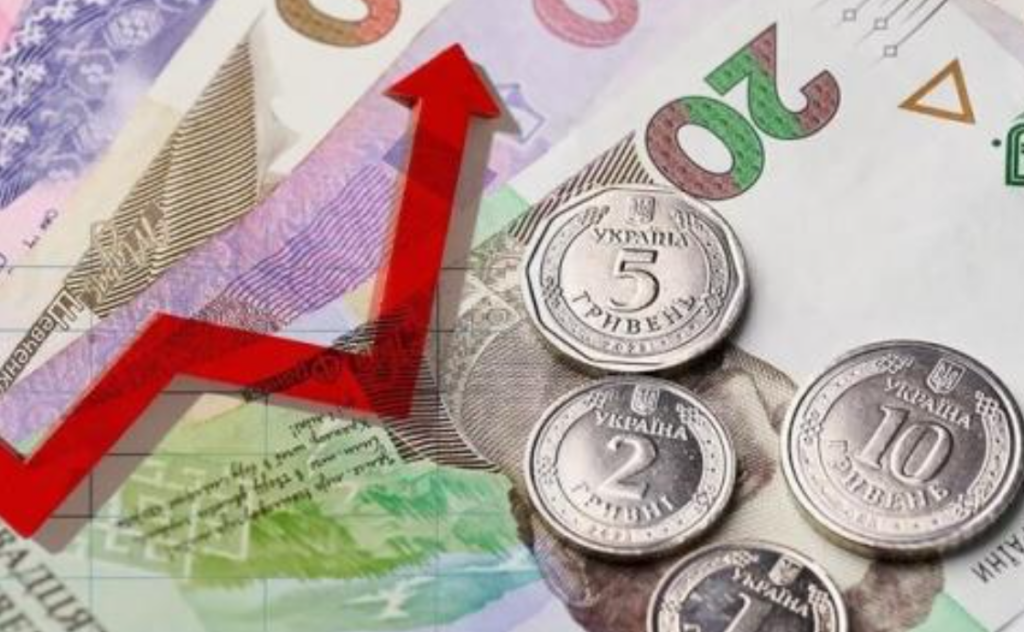
She, along with other commission officials, was accused of negligence. According to the investigation, the commission’s decision allowed thermal power generators, including Rinat Akhmetov’s DTEK and state-owned Centrenergo, to sell electricity at inflated prices.
Other defendants in the case
Earlier, the HACC similarly released other former NEURC members from liability, including
- oksana Kryvenko, former head of the commission
- Oleksandr Formagei; and
- Dmytro Kovalenko
- Borys Tsyhanenko;
- Yuriy Holliak.
They all escaped punishment for the same reason – the expiration of the statute of limitations.
The long journey of the case
- 2016 – the NEURC adopted the “Rotterdam formula”.
- 2019 – the NABU notified six people of suspicion, including the former head of the commission, Dmytro Vovk.
- 2021 – the case was closed and reopened several times by different prosecutors.
- 2022 – NABU and SAPO complete the investigation and open the materials for the defense to review.
- 2023 – The head of the SAPO canceled the decision to close the proceedings and replaced the group of prosecutors.
Despite this, most of the defendants in the case have already been released from liability due to the statute of limitations.
Why this case is important
“Rotterdam is one of the most high-profile economic cases of recent years. It was criticized as a tool to justify inflated tariffs, while the formula’s defenders insisted that it was in line with international practice.
The formula expired in 2019 after the launch of the new electricity market. However, the question of whether it caused damage to the state and consumers is still under debate.
According to the investigation, the losses from the formula could reach tens of billions of hryvnias. At the same time, the case was constantly facing legal disputes in the courts: from the change of prosecutors to numerous decisions to close it. For critics, this story has become a symbol of impunity in the cases of top officials, while for defense lawyers it is an example of political pressure on the regulator.