Oil production in Russia has fallen to a record low: drone strikes have had an effect
10 January 07:36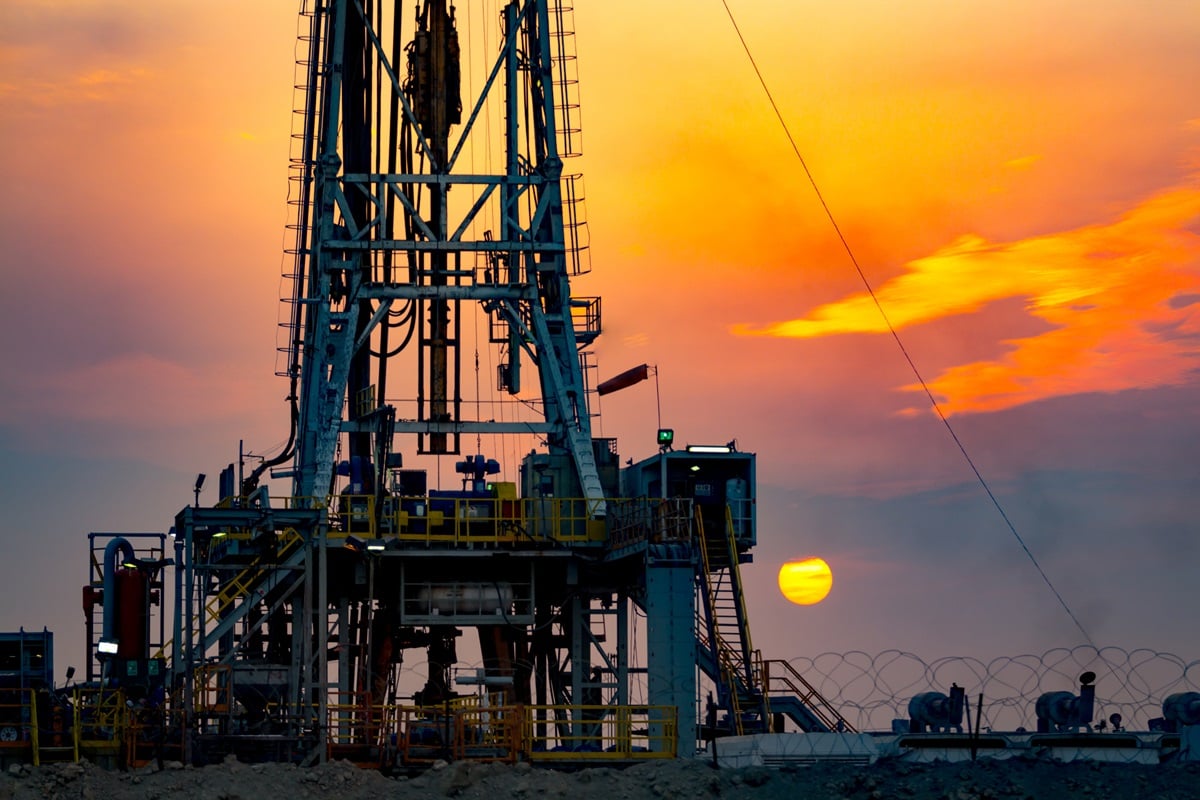
In December 2025, oil production in Russia fell to its lowest level in the last year and a half. The reasons for this were the tightening of US sanctions and Ukrainian drone attacks on Russian oil refining infrastructure. This was reported by Bloomberg, citing its own sources, according to "Komersant Ukrainian".
Lowest in 18 months
According to the agency, Russia produced an average of 9.326 million barrels of crude oil per day in December. This is
- 100,000 barrels less than in November;
- almost 250,000 barrels below the quota set by OPEC agreements.
Thus, Russia not only lost part of its production, but also significantly deviated from the agreed targets.
Sanctions and infrastructure strikes
The key factors in the decline in production were US sanctions against the largest Russian oil companies, Rosneft and Lukoil. The situation was further complicated by Ukrainian drone strikes on refineries and logistics facilities.
As a result, according to Bloomberg, excess crude oil began to accumulate at sea — some tankers cannot unload due to buyers’ fears of violating sanctions.
Blocked tankers and cautious buyers
As of the end of December, more than 185 million barrels of Russian oil remained blocked on tankers at sea. Some key importers, including India, are looking for ways to circumvent the restrictions, but the risks of cooperating with Russia have increased significantly.
According to the agency’s sources, attacks on tankers have forced ships to:
- change routes;
- choose longer and more expensive routes;
- and some owners to refuse to cooperate with Russia altogether.
Problems with oil refining
In addition to logistical difficulties, oil refining volumes in Russia were below seasonal norms in December. The reason was the partial or complete shutdown of refineries after strikes by Ukrainian drones.
In particular, last year, Ukraine launched strikes for the first time since the start of the full-scale war:
- oil fields in the Caspian Sea;
- tankers transporting Russian oil in circumvention of international sanctions.
Consequences for the Russian economy
Analysts note that reduced production and sales problems are putting pressure on Russia’s budget, which is critically dependent on oil revenues. Combined with price restrictions and rising logistics costs, this could lead to a further decline in export revenues in 2026.
Thus, sanctions and strikes on energy infrastructure are having an increasingly significant impact on Russia’s oil sector, which has long been the main source of funding for the war.