King’s novel was withdrawn from sale in Russia: what is known and why it was linked to “LGBT propaganda”
26 November 2025 16:41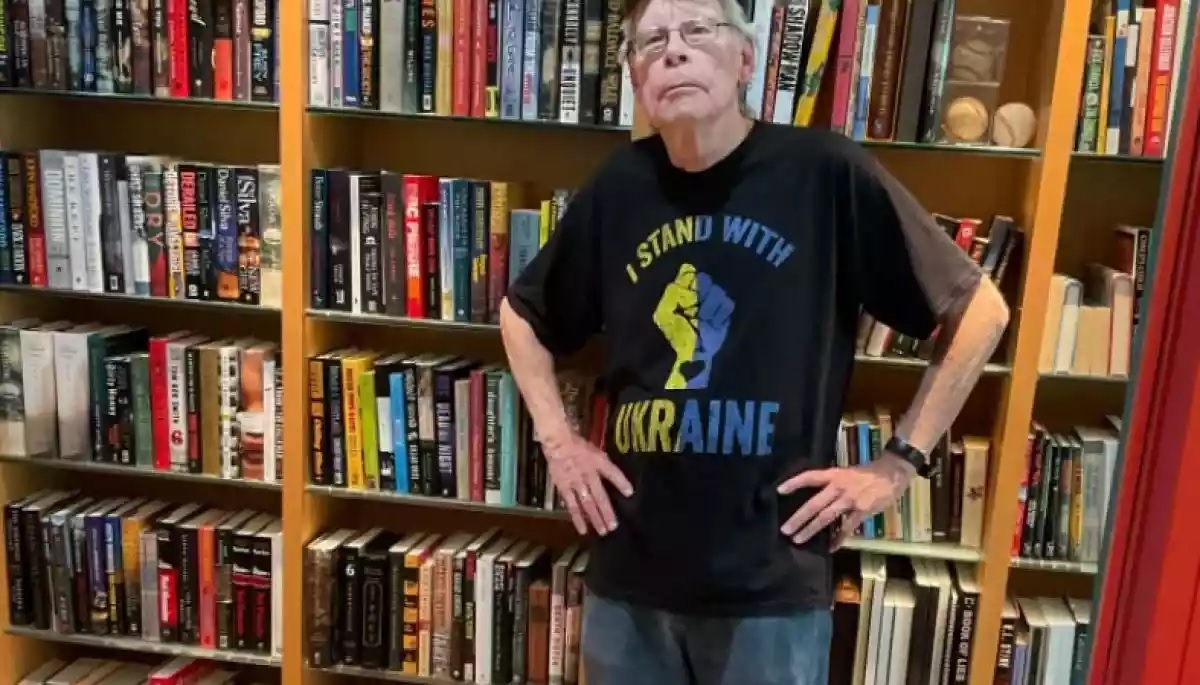
One of Russia’s largest publishing houses, AST, has temporarily withdrawn the print run of Stephen King’s novel “It” from sale after complaints about alleged “LGBT propaganda.” The decision was first reported by the head of the publishing house, Tatyana Gorskaya, in comments to the state-run TASS news agency, Radio Liberty reports "Komersant Ukrainian".
What they say in Russia
According to Gorskaya, the work has been republished in Russia for decades without a detailed re-examination. Now AST has begun its own full review of the novel – both by traditional editors and using artificial intelligence systems. The publishing house said that after receiving the findings, it will decide whether to label the book or edit it in accordance with Russian legislation on “banning LGBT propaganda.”
At the same time, the head of AST noted that in case of “serious inconsistencies” the publishing house will require permission from the rights holders to make changes to the text. Who exactly filed a complaint about the novel, the company did not say.
Strengthening Russian censorship
AST’s decision fits into a broader trend: over the past two years, the Russian Federation has significantly expanded the list of restrictions on public references to LGBTQ people and increased pressure on the book market. Works by George R.R. Martin, J.K. Rowling and other authors have disappeared from shelves in the country, and stores are already practicing preliminary “self-censorship.”
Stephen King, one of the most popular foreign authors in Russia, publicly announced in 2022 that he was ending cooperation with Russian publishers because of the war against Ukraine.
What the novel is about
Published in 1986, the novel It contains a number of violent and sexual scenes, notably an episode of group sexual interaction between teenagers and a description of a homophobic attack on a gay man in the city of Derry. It is these fragments that probably formed the basis for the current claims in Russia.