The government plans to sell 7% of PrivatBank shares through “Diyu”: what economists say
3 February 18:17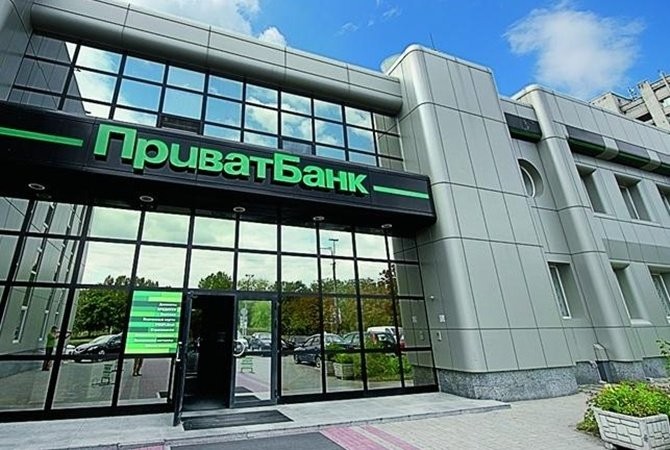
The Ukrainian government is preparing to sell 7% of shares in the state-owned PrivatBank to Ukrainians through the Diya app. According to preliminary parameters, 51.5 million shares are planned to be put up for sale at a starting price of UAH 300 per share. The expected amount of proceeds is about UAH 18 billion.
Sale as a step towards privatization
Economist Oleg Getman, in a comment to Komersant, sees the initiative as a move towards the complete privatization of the bank.
“I have not encountered such practices in Ukraine. Is it worth buying PrivatBank shares? Probably yes. This is a move towards the complete privatization of PrivatBank. These plans have been in place for several years. So, in principle, even the sale of 7% is a step in the right direction,” he said.
“One of the most profitable banks”
According to Getman, despite being state-owned, PrivatBank remains in a strong financial position.
“It remains one of the most profitable banks, despite state management. It has high-quality corporate governance, so it is profitable and will continue to be profitable, accounting for almost 50% of the entire banking sector. It is the largest bank in Ukraine. So, perhaps, yes — it is worth buying, it is worth selling,” the economist added.
State-owned banks and obligations to partners
Economist Oleg Pendzin emphasizes that the Ukrainian banking sector remains overly state-controlled.
“At present, the state’s presence in the banking sector is more than 60%. The largest banking institutions today are state-owned. This is unacceptable. This is the only sector, by and large, that currently has such a presence of state capital,” he said.
He also reminded about Ukraine’s international commitments regarding the privatization of state-owned banks.
“We have certain obligations to our partners regarding privatization in this sector. The issues of corporatization and sale of Oschadbank shares were considered, and there were talks about Exim. But during the war, it is difficult to expect serious investors,” the economist noted.
Minority stake and distressed assets
According to Pendzin, the sale of 7% of shares does not give buyers any real influence over the bank’s activities.
“7% is a minority stake that will definitely not influence anything. The bank has a lot of problem loans and assets that are a huge burden on its balance sheet. At the same time, you will not see a detailed balance sheet for Privat anywhere,” he said.
He also mentioned the court ruling in the case against the bank’s former owners.
“In the High Court of London, Kolomoisky finally lost about $3 billion to PrivatBank. But this money was withdrawn, the bank actually lost this amount, and there are no illusions about its return,” the economist noted.
Comparison with deposits and government bonds
Pendzin emphasizes that potential investors should evaluate PrivatBank shares through the prism of alternative investments.
“There are deposits and government bonds that are not subject to personal income tax and military tax and have high liquidity. The state will pay for them in any case,” he explained.
“And what will I get in a year?”
According to Pendzin, the key issue remains the expected return.
“I invested 300 hryvnia — what exactly will I get in a year? I have no influence on the management of the bank, I do not receive any benefits as a client. The question arises: why should I do this? Until PrivatBank explains why investing in its shares will be more profitable than investing in government bonds through the same bank, I think no one will buy them,” the economist concluded.