War in the Middle East: EU discusses resuming Russian gas imports
4 March 10:12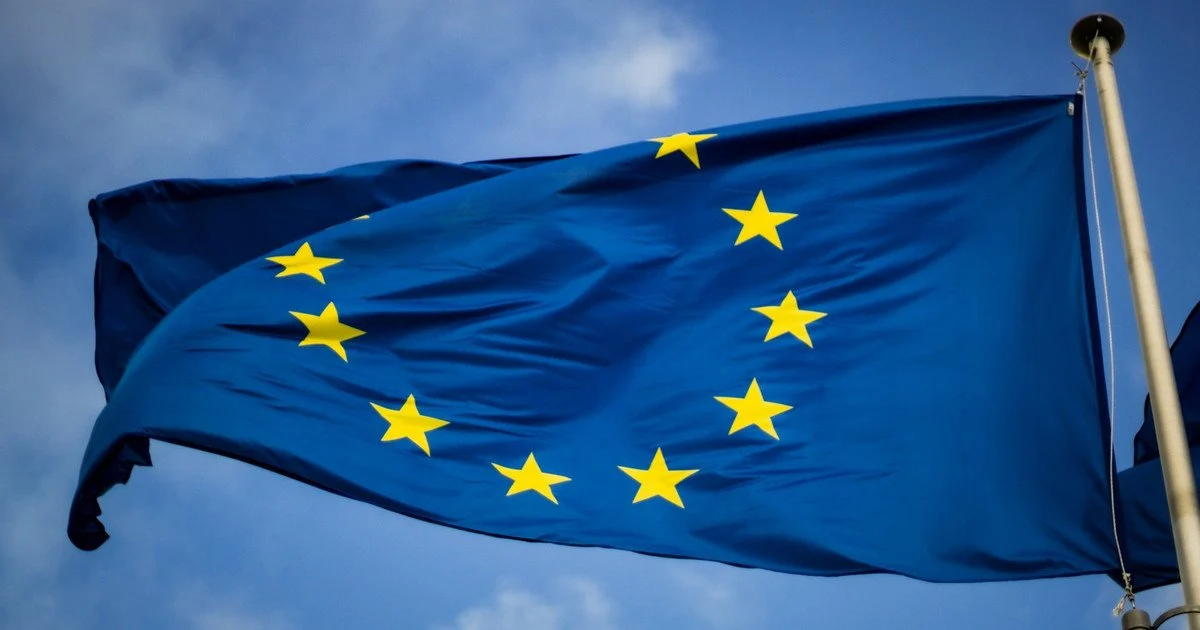
The impact of US and Israeli military attacks on Iran may reopen the debate in the European Union on banning imports of Russian natural gas.
This was stated by Norwegian Energy Minister Terje Oslund, according to Reuters, as reported by "Komersant Ukrainian".
Debate in the EU on Russian gas may resume
“The EU has made it very clear that it wants to free itself from Russian oil and gas, but the events of the last three to four days have also been difficult. Given the geopolitical situation we are seeing now, I believe the discussion will resume,” Olstad said at a conference in Oslo.
The agency notes that gas prices in Europe jumped 75% this week, reaching a multi-year high. The increase is due to unusually low storage levels, and the region needs to import significant volumes of liquefied gas in the summer to replenish them before next winter.
In addition, on March 2, Qatar halted production of liquefied natural gas at the world’s largest export facility.
The energy facility, owned by gas giant Qatar Energy, was attacked on Monday by two Iranian drones.
Qatar is the world’s second-largest exporter of liquefied gas after the US and plays an important role in balancing the needs of the Asian and European markets. Asian customers account for 82% of QatarEnergy’s customer base.
Although most of the liquefied gas from the Middle East is purchased by Asian countries, any disruptions will intensify competition for alternative supplies, pushing up prices worldwide, including in Europe.
At the same time, EU countries have recently given final approval to a phased ban on gas imports from Russia by the end of 2027.
The European Union’s REPowerEU regulation, which establishes a gradual phase-out of Russian pipeline and liquefied gas imports into the EU, came into force on February 3.
The EU is on its way to abandoning Russian gas
On December 3, 2025, the European Parliament and the Council of the EU agreed on a preliminary plan that commits the European Union to permanently stop importing Russian gas and move towards a gradual phase-out of Russian oil.
The proposal includes the phasing out of new and existing energy supply contracts and is in line with the EU’s REPowerEU strategy.
Liquefied natural gas (LNG) imports will be phased out by December 31, 2026, and pipeline gas imports by September 30, 2027.
The Commission is also exploring legal mechanisms that would allow European companies to terminate existing gas contracts with Russia by the end of 2027. However, experts point out that it will be extremely difficult to use “force majeure” as a basis for terminating agreements, and companies may face fines or arbitration claims.
On January 26, the Council of the European Union approved a complete ban on Russian liquefied gas supplies to the EU.