Europeans have been advised to pack their “emergency bags”: what is behind this call
26 March 2025 22:18
The EU is urging citizens to prepare 72-hour emergency survival kits. This was reported by "Komersant Ukrainian" with reference to Politico.
According to the draft “Union Preparedness Strategy,” which the media has seen, every EU citizen should be self-sufficient for at least 72 hours in the event of an emergency. This step is part of a broader strategic shift toward civilian resilience in response to the rapidly changing security landscape and growing threats to public safety and infrastructure.
What the 72-hour kit should contain
The Commission has published a list of recommended items needed in the first critical hours of a major disaster. It includes:
- drinking water (at least 2 liters per person per day);
- non-perishable food for three days;
- a battery-powered or manually operated radio;
- flashlights and extra batteries
- first aid kits and prescription medicines;
- important documents (ID, insurance, bank details) in waterproof packaging;
- cash (ATMs may not work during power outages);
- personal hygiene products;
- blankets and warm clothes;
- power banks for smartphones;
- multi-purpose tools, whistles, and tape.
EU representatives emphasize that this is not a call for panic purchases or stockpiling, but a practical step.
Why 72 hours?
the “three-day rule” is a widely accepted criterion for emergency planning. It recognizes that in the first 72 hours after a large-scale disaster, government response may be delayed due to damaged infrastructure, blocked roads, or overloaded communications networks.
Being able to find shelter on the spot for three days-with enough food, water, and heat-can mean the difference between safety and crisis, especially for vulnerable populations.
Implementation in EU member states
The EU recommendations are not binding, but they set a framework for campaigns at the national level:
- Governments are expected to develop recommendations based on local hazards, from earthquakes in southern Europe to cyber threats in financial centers.
- Public awareness initiatives will include messages on television, radio, social media, schools and community outreach.
The Commission is also strengthening the EU’s reserve system by establishing strategic stockpiles of medical, energy and emergency materials in key locations across Europe.
Public reaction
While some citizens have welcomed the move as common sense planning, others fear that it signals an escalation of insecurity – especially amid ongoing tensions with Russia and the specter of a wider conflict.
However, EU officials have made clear that the initiative is not a signal that war is inevitable, but that preparedness is a basic expectation of modern European citizenship.
The changing nature of risks in Europe
The call to action is not a reaction to a single event, but rather a reflection of how vulnerable European societies have become to complex and overlapping risks:
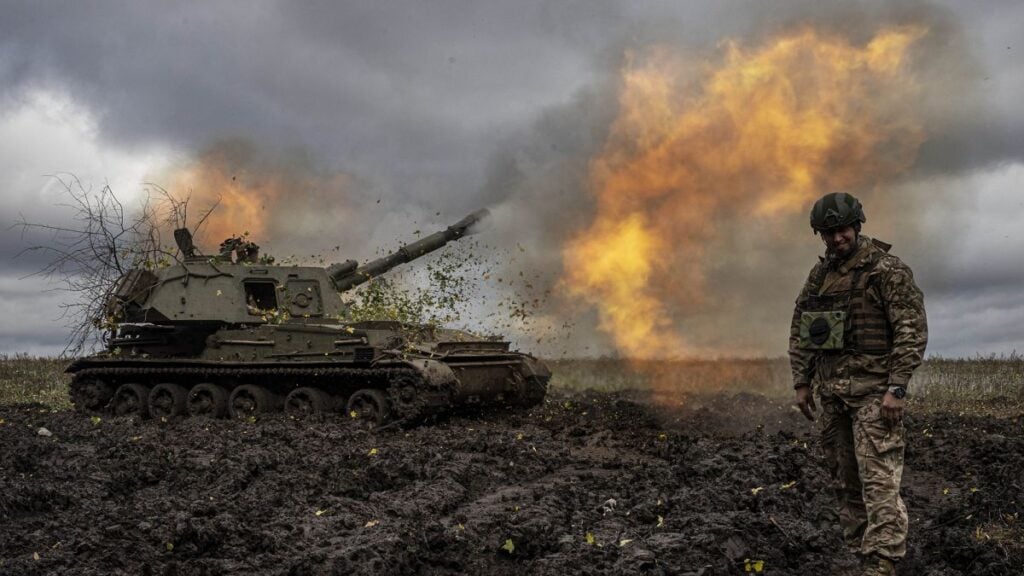
The war in Ukraine has highlighted the potential for geopolitical escalation and long-term instability in the EU’s neighborhood.
Increased cyberattacks on power grids, transportation systems, and digital infrastructure highlight Europe’s vulnerability to hybrid warfare.
Natural disasters caused by climate change – from devastating floods to forest fires – have already stretched emergency services in many member states.
And a lingering sense of post-pandemic vulnerability is still shaping public perceptions of government preparedness and capacity.
Against this backdrop, the EU is taking steps to develop a “culture of preparedness,” building on the models of countries such as Finland, which has long embedded civil defense in the public consciousness.
This approach represents a marked shift in the EU’s civil defense philosophy from reactive to proactive. Until now, most citizens believed that state authorities would manage all emergencies. But increasingly, EU leaders are calling on citizens to take personal responsibility for short-term crisis response, at least for the first 72 hours, when emergency services may be overwhelmed.
While some EU countries, such as Germany, Sweden and Finland, already have national guidelines for emergency preparedness, others are just beginning to integrate this concept into public discourse.
Читайте нас у Telegram: головні новини коротко