Zelensky: Trump agreed to “retaliatory strikes” against Russian energy
25 September 2025 18:33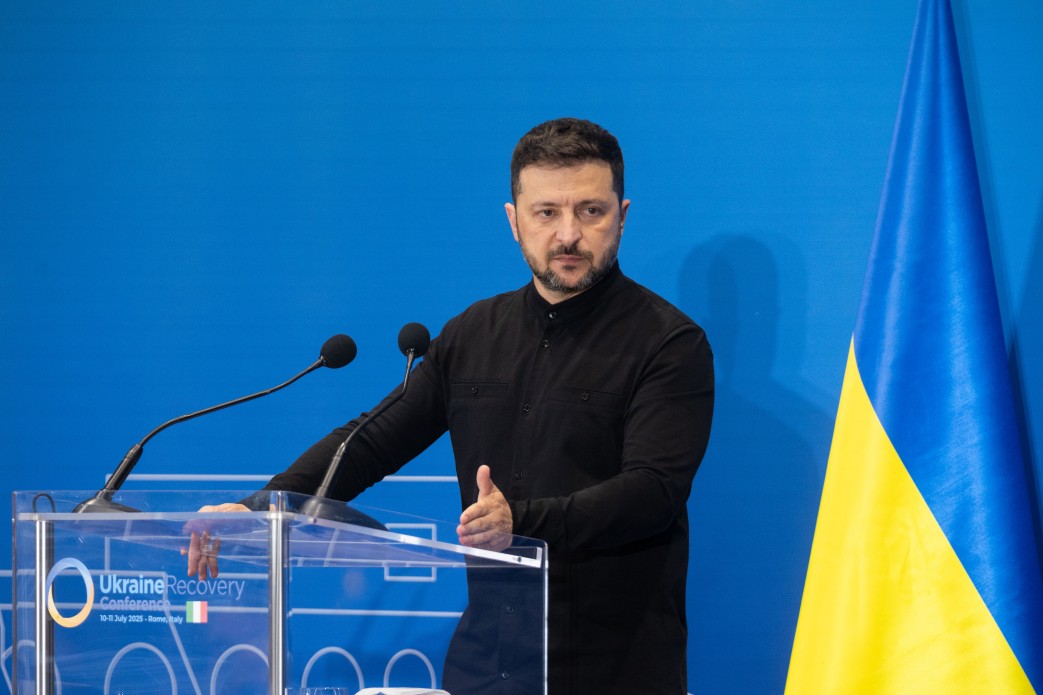
President of Ukraine Volodymyr Zelenskyy said that Donald Trump supported the idea of strikes on Russian energy infrastructure in response to the Kremlin’s attacks during their meeting in New York. He said this in an interview with Axios, "Komersant Ukrainian" reports.
According to Zelenskyy, the United States is ready to consider the transfer of new weapons systems that could become “a lever of pressure on Putin.”
What Zelensky said
The President stressed that during his conversation with Trump, he raised only one request – to provide Ukraine with a new long-range system.
“We need it, but this does not mean that we will use it. Its presence will be an additional pressure in itself,” Zelenskyy explained.
He also emphasized that the strikes would not target civilian targets, but that the Kremlin and other centers of power in Moscow could be targeted in the event of further aggression.
Trump’s position
Zelenskyy claims that Trump supported the principle of “an eye for an eye.”
“If they attack our energy, President Trump agrees that we can respond with their energy.”
In addition, they also talked about Russian drone and missile factories, which are well protected but remain key to the Russian military machine.
Context
on September 23, Trump said that Ukraine could return its territories “with the support of the EU” and called Russia a “paper tiger.”
Politico, citing European officials, reported that the change in his rhetoric was influenced by meetings with European Commission President Ursula von der Leyen.
The Kremlin believes that Trump’s position has changed after talking to Zelensky.
Why it matters
Trump’s rhetoric has been inconsistent since the beginning of his term, from calls for a “quick peace” to current statements about the need to strengthen Ukraine. His agreement to retaliatory strikes could signal a new phase in US-Ukraine military cooperation.
It also puts additional pressure on Russia, which has been experiencing fuel shortages and reduced refinery capacity for more than a month after Ukrainian drone attacks.
A similar discussion already took place in 2023-2024, when Kyiv asked Washington for long-range ATACMS missiles. At that time, the Biden administration agreed to limited supplies. Now, given Ukraine’s growing strike capabilities with its own drones, the issue of new weapons systems is being put in a new light.
Ukrainian strikes on Russian oil refineries
Timeline and scale:
- Active strikes began in August 2025.
- Between August 1 and mid-September 2025, 16 out of 38 Russian oil refineries were attacked.
- Some facilities were attacked several times.
Consequences for Russian exports:
- Reduction of refining capacity by more than 1 million barrels per day.
- Exports of diesel fuel in September 2025 may fall to the lowest level since 2020.
- Exports of petroleum products from Russian ports in the first two weeks of September were down 18% year-on-year.
Domestic situation in Russia:
- There is currently no fuel shortage in the country – production exceeds domestic demand by 50%.
- At the same time, the price of diesel and gasoline is rising in some regions.
Russian strikes on Ukraine’s energy and infrastructure
Key facts:
- Since the start of the 2022 invasion, Russia has been regularly attacking Ukraine’s electricity and heat infrastructure.
- The most powerful waves of strikes occur in the fall and winter to create critical disruptions in electricity and heat supply.
Consequences for Ukraine:
- Dozens of energy facilities were damaged: power plants, substations, and power lines.
- In some regions, there are temporary power outages and restrictions on heat supply.
- The response of the Ukrainian energy sector and civilian infrastructure includes repairing the damage and adapting energy consumption schedules.
The purpose of Russian attacks:
- To put pressure on the population and government of Ukraine.
- Limiting the capabilities of industry and military facilities.