Geopolitics vs. the market: aluminum prices have soared to a record high
13 April 20:45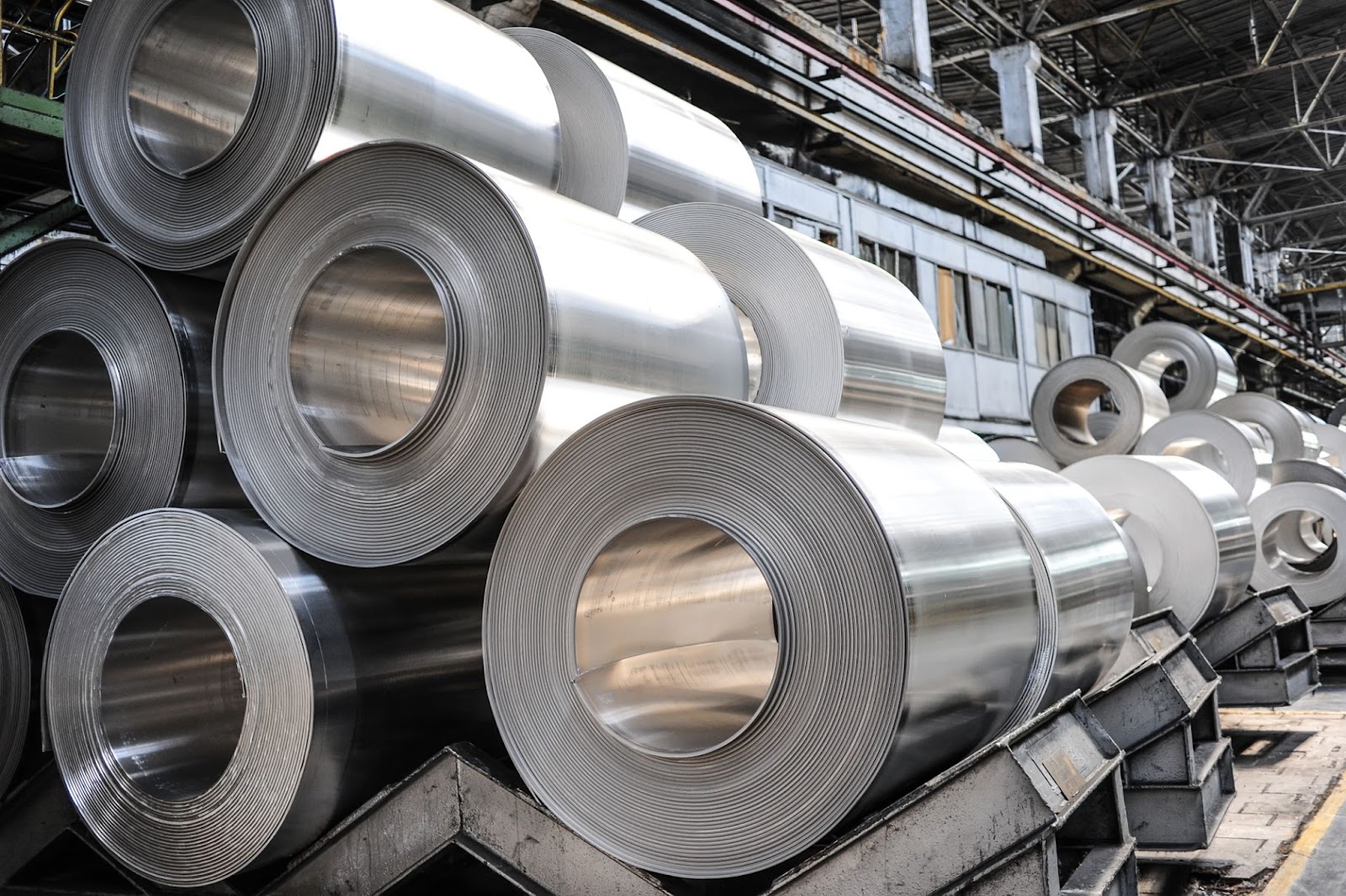
Global aluminum prices have surged to a four-year high amid escalating tensions in the Middle East. The market is reacting to Donald Trump’s decision to blockade Iranian ports, which poses the risk of disruptions to global supplies. This was reported by Bloomberg, as cited by "Komersant Ukrainian".
What happened
- Aluminum prices rose to a four-year high
- on the London Metal Exchange, the metal rose another 2.3%
- The driver: risks of supply disruptions due to U.S. military and political decisions
The market resumed its upward trend after earlier fluctuations linked to the war in the region.
Why it matters
Blockade of Iranian ports
The U.S. announced restrictions on shipping:
- inspection of all vessels entering or leaving Iranian ports
- potential logistical complications in the Persian Gulf
This is a key route for energy resources and raw materials.
Supply risks
- Middle Eastern countries account for about 9% of global aluminum production
- The region’s largest producer—Emirates Global Aluminium—has already been affected by the fighting
Any disruptions here quickly affect the global market.
What is holding back further growth
Despite the sharp surge, the market has limitations:
Weak demand
- The global economy is under pressure due to high energy costs
- demand for metals remains volatile
The China factor
- China is the largest consumer of metals
- Aluminum inventories there are at their highest level since 2020
- Demand from China is subdued
This could limit further price growth.
Market balance
| Growth factor | Restraining factor |
|---|---|
| Geopolitical tensions | Weak global demand |
| Supply risks | High inventories in China |
| Port blockades | High energy costs |
The spike in aluminum prices is a reaction to new geopolitical risks, not to fundamental growth in demand.