Oil prices plummeted following Trump’s remarks on Iran: what we know
17 April 06:39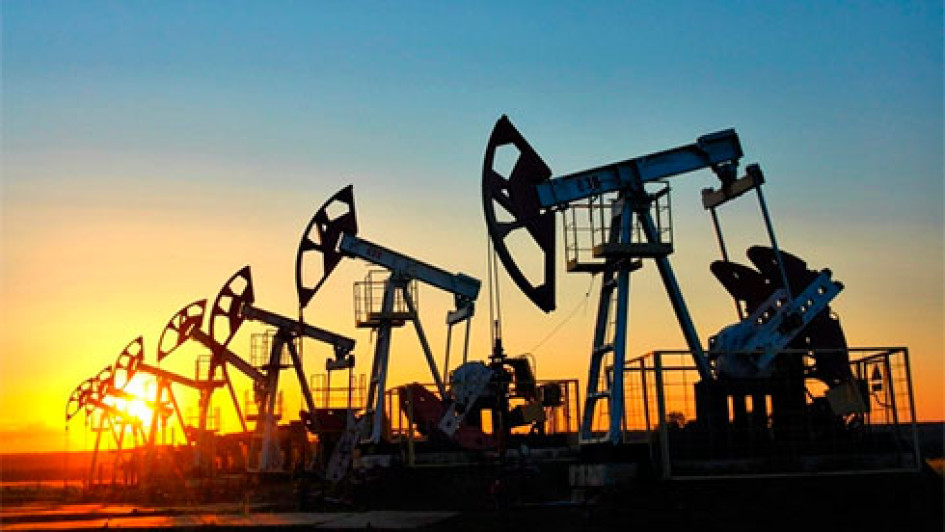
Global oil prices are falling sharply following optimistic statements by U.S. President Donald Trump regarding a possible resolution to the conflict with Iran. The market reacted to the U.S. leader’s remarks with a drop in prices, although investors remain cautious for now due to the lack of official confirmation of the agreements from Tehran.
According to Bloomberg, the U.S. West Texas Intermediate crude fell to $93 per barrel, losing more than 3% over the week, while Brent crude traded near $99 per barrel, reports "Komersant Ukrainian"
Why are oil prices falling?
The main reason for the decline in prices was Donald Trump’s statements about a possible resolution to the conflict with Iran. According to him, Iran has allegedly agreed to terms it had previously rejected, particularly regarding “free oil” and the opening of the Strait of Hormuz.
The market interpreted these signals as a potential precursor to a gradual resumption of supplies and an easing of tensions in one of the world’s key energy regions.
However, Iranian officials have not yet confirmed these agreements, so the price drop is accompanied by a high level of uncertainty.
What are the prices for Brent and WTI crude oil?
Against the backdrop of new statements from the U.S., the market reacted sharply:
- WTI fell to $93 per barrel;
- Brent traded around $99 per barrel.
Thus, U.S. crude lost over 3% over the week, and the global oil market began to price in the possibility of a partial easing of geopolitical tensions.
Why investors are slow to believe Trump’s statements
Despite the drop in prices, analysts note that investors remain skeptical of the U.S. president’s optimistic remarks.
During the conflict that erupted in February following U.S. and Israeli strikes on Iran, Trump repeatedly shifted the tone of his statements and signals to the market. His contradictory remarks and sudden changes in approach have already created chaos in financial circles and increased market volatility.
That is why the current drop in oil prices is not yet being viewed as a definitive turnaround, but rather as a reaction to political signals.
What Trump said about a possible deal with Iran
In a new statement, Donald Trump expressed confidence that the two-week truce between the U.S. and Iran would soon culminate in the signing of an agreement.
At the same time, he acknowledged that the truce could be extended if the parties need more time for negotiations. Trump also stated that if agreements are reached, he may personally visit Pakistan, where the first stage of the negotiation process took place.
Separately, the U.S. president announced a temporary cessation of hostilities between Israel and Lebanon, which, according to him, is expected to last 10 days.
Read us on Telegram: important topics – without censorship
Why the Strait of Hormuz Remains a Key Issue
One of the main topics surrounding the oil market remains the Strait of Hormuz —a strategic sea route connecting the Persian Gulf to global markets.
Control over this strait is one of the most pressing issues in the current crisis. The dual blockade has effectively paralyzed shipping traffic, and Iran, even after the war ends, plans to impose a transit fee.
Therefore, even amid statements about diplomatic progress, the market understands that the actual restoration of full-scale transit through the Strait of Hormuz could be difficult and protracted.
What analysts are saying about the market situation
Rebecca Babin, a senior energy trader at CIBC Private Wealth Group, noted that the market is currently balancing between positive news and harsh reality.
According to her, every delay in normalizing the situation means further supply losses and difficult short-term conditions for the market.
She also emphasized that even some geopolitical progress has not yet led to a real recovery in flows, which remain significantly constrained.
How long could the recovery of the oil and gas sector take?
Due to damage to the region’s energy infrastructure, the recovery process could prove to be protracted.
Fatih Birol, Executive Director of the International Energy Agency, warned that restoring a significant portion of oil and gas production could take up to two years.
According to him, this process will be gradual, which means that even with political agreements in place, the market will continue to feel the effects of the conflict for a long time.
How this affects the global oil market
The current situation shows that the oil market remains extremely sensitive to any political signals from the Middle East and the United States.
On the one hand, statements about a possible agreement and the reopening of the Strait of Hormuz are pushing prices down. On the other hand, actual supply constraints, damaged infrastructure, blocked routes, and the lack of an officially confirmed agreement are preventing a deeper decline.
Therefore, the market is currently in a state where optimism is already influencing prices, but fundamental risks have not gone anywhere.
Read us on Telegram: important topics – without censorship