Russia is preparing a new offensive in the southeast: the Main Intelligence Directorate has disclosed the enemy’s timeline and forces
17 April 01:33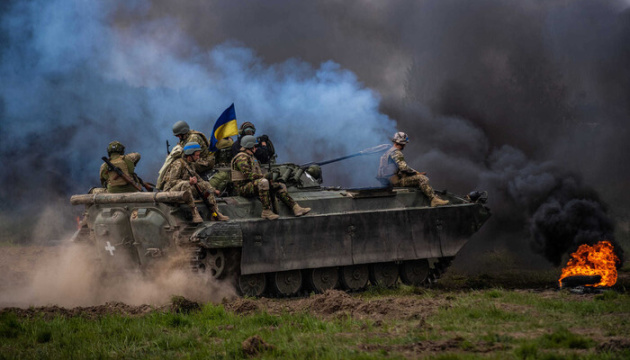
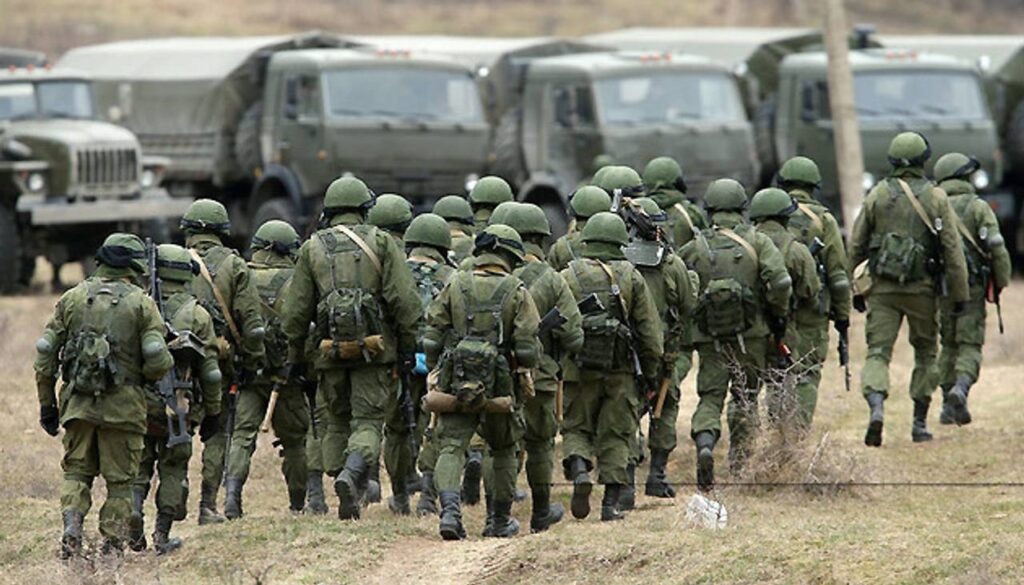
Russia is preparing a new offensive in southeastern Ukraine, drawing on its strategic reserves. To reinforce the group of occupying forces, there are plans to deploy an additional 20,000 troops. This was reported by Ukrainian intelligence, according to "Komersant Ukrainian"
According to available information, the Kremlin’s main goal remains the complete capture of the territories of the Donetsk and Luhansk regions. The Main Intelligence Directorate also provided an estimated timeline for when Russia intends to carry out its plans.
What new offensive is Russia preparing?
According to Vadym Skibitsky, deputy head of Ukraine’s Defense Intelligence Directorate, Russia is preparing a new offensive in southeastern Ukraine, using strategic reserves to reinforce its forces.
This involves the intention to add another 20,000 fresh troops to the Russian force already operating on Ukrainian territory. These forces, as noted, are intended to increase pressure on Ukrainian military positions.
How many Russian troops are already in Ukraine
Intelligence reports indicate that there are currently about 680,000 Russian soldiers on Ukrainian territory.
It is this force that Russia plans to further reinforce with reserves. According to the data cited, the Kremlin is counting on a new wave of offensive operations as part of the spring-summer campaign.
What is the Kremlin’s main objective on the front lines
According to Skibitsky, Russia’s primary strategic objective remains the complete capture of the Donetsk and Luhansk regions.
The Main Intelligence Directorate notes that the enemy has set clear timeframes for itself. Specifically, Russia aims to capture the Donbas by September.
This means that preparations for a new offensive are viewed as part of the Kremlin’s broader plan to escalate hostilities in eastern and southeastern Ukraine.
Why Russia has intensified missile strikes and drone attacks
Intelligence reports explain that the increase in missile strikes and drone raids are not isolated incidents but part of the enemy’s broader strategy.
According to Skibitsky, the occupiers are attempting to destroy critical infrastructure and shape the battlefield ahead of a new spring-summer offensive.
Thus, the Russian Federation’s massive attacks are not only of a terrorist nature but also have a military logic in the context of preparations for new ground operations.
What this means for the negotiations
Skibitsky, a member of the Ukrainian negotiating team, emphasized that the Kremlin’s actions are a demonstrative signal.
Preparing for large-scale ground operations instead of taking real diplomatic steps, he said, indicates that Russia does not take the negotiations seriously and intends to continue its war of aggression.
In effect, this means that military escalation by Russia is viewed as a priority over a political settlement.
What other scenarios is the Kremlin considering?
Earlier, the Center for Countering Disinformation reported that the Kremlin is considering at least three scenarios regarding the war in Ukraine.
Moscow, as noted, is simultaneously working on the following options:
- continuation of active hostilities;
- freezing the conflict;
- hybrid aggression against NATO countries.
This indicates that the Russian leadership is considering several models for further action simultaneously, depending on the situation at the front and the international environment.
What the Office of the President is saying about the situation on the front lines
Deputy Head of the Office of the President, Brigadier General Pavlo Palisa, previously noted that Russian troop losses in Donbas have tripled, while their advance remains minimal.
According to him, despite the enemy’s ambitious plans for 2026, there are currently insufficient forces to implement them.
In addition, the Office of the President explained that political peace talks are currently on hold. One of the reasons cited was the escalation of the conflict in the Middle East, although humanitarian efforts, particularly prisoner exchanges, continue.