Court voids university lease: a hardware store opens in the dormitory
16 April 21:06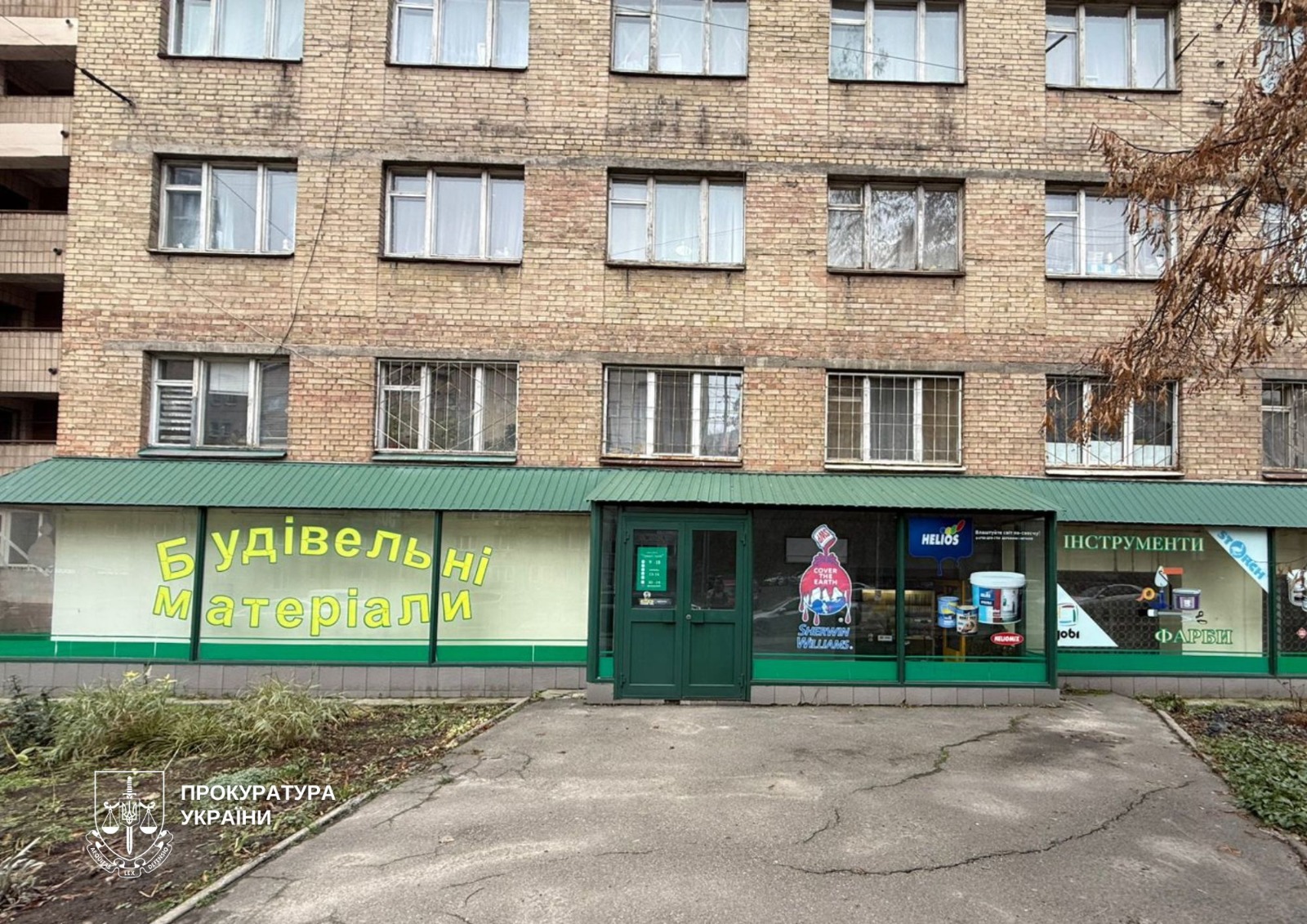
A court in Kyiv has invalidated a lease agreement for premises owned by the National Transport University.
The case involves non-residential space in a dormitory where the tenant had set up a building materials store.
The decision was issued by the Kyiv Commercial Court in response to a lawsuit filed by the Kyiv City Prosecutor’s Office, reports "Komersant Ukrainian".
How the situation arose
The investigation established that:
- in 2021, a supplementary agreement was signed
- which allowed the tenant to use the premises for any purpose.
The parties to the agreement were:
- the university,
- a private tenant company,
- the regional branch of the State Property Fund.
As a result, a hardware store opened in the premises.
Why is this a violation
The law explicitly restricts the use of educational institutions’ property.
Specifically, the Law “On Education” permits leasing only for services related to the educational process or the support of those involved in that process.
Commercial activities such as a building materials store do not meet these requirements.
What the court decided
The court:
- declared the lease agreement invalid,
- ordered the tenant to return the premises.
The property in question is a 163-square-meter space, valued at approximately 3.2 million UAH, located on M. Boichuk Street in Kyiv.
Other cases
This decision is part of a broader trend of audits regarding the use of state property.
In particular:
- a case involving an official from the Holosiivskyi District State Administration has been referred to court over budget losses,
- suspicions of misuse of funds for the repair of shelters in universities have emerged,
- law enforcement agencies are uncovering schemes related to the “e-Recovery” program.
What this means
The court’s decision signals tighter control over the use of educational institutions’ property, restrictions on commercial activities unrelated to education, and risks for tenants who benefit from “flexible” lease terms.