The list has expanded: new border crossings with Poland and Moldova will open on April 21
21 April 08:09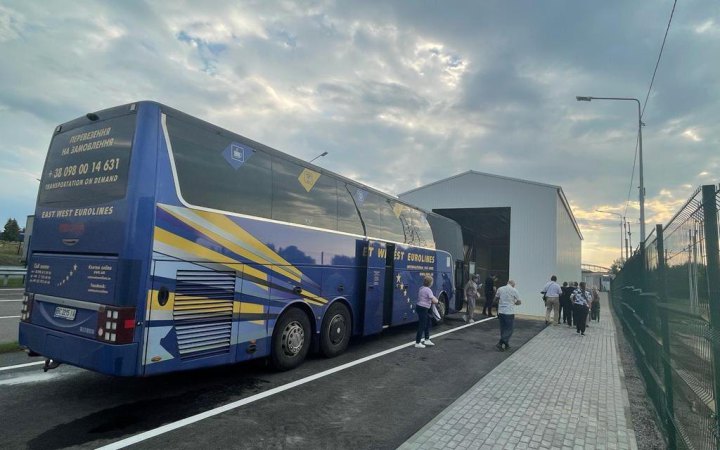
Starting April 21, bus slot reservations will become available at two additional border crossing points in Ukraine. These are the “Ustyluh–Zosin” crossing on the border with Poland and the “Sokyryany–Oknitsa” crossing on the border with Moldova. This information comes from "Komersant Ukrainian", citing a statement from the Ministry of Community and Territorial Development of Ukraine.
From now on, carriers can book a specific time to cross the border through the e-Cherga system, which is expected to reduce waiting times and make international bus transportation more predictable.
The expansion of the slot system is part of the reform of international bus transportation being implemented by the Ministry of Community and Territorial Development of Ukraine. Signing up for a slot allows carriers to choose a specific time to cross the border in advance, and passengers to avoid long delays at border crossing points.
Which new border crossing points will open on April 21
Today, April 21, slot allocation is set to begin at two more border crossing points:
- “Ustyluh – Zosin” on the border with Poland
- “Sokyryany – Oknytsia” on the border with Moldova
Traffic for the respective slots will begin at 9:00 a.m. on April 21. Registration for the queue titled “On Schedule” opened the day before—April 20 at 9:00 a.m.
What is slot allocation in eQueue
Slot allocation is a system where a bus carrier reserves not just a spot in the electronic queue, but a specific time to cross the border. This mechanism allows for better trip planning and reduces chaotic traffic buildup at border crossing points.
In practice, this means more organized bus traffic, shorter wait times for passengers, and a clearer schedule for carriers.
Who can book a slot
Booking a specific slot is available for:
- regular bus services;
- non-scheduled bus services.
Regular carriers can book times according to their approved schedule. Non-regular services, on the other hand, can choose available time slots within the system.
Why this is important for passengers
The main goal of slot allocation is to reduce long wait times at the border. According to a passenger experience survey, this issue remains the most significant pain point during international bus trips.
At the same time, 70% of surveyed passengers support the introduction of an electronic queue. This indicates a high demand for predictability, comfort, and a clearer border crossing schedule.
What Has Changed Thanks to eQueue
According to the data cited in the report, the system is already showing positive results. Specifically:
- the average waiting time and border crossing time have decreased;
- the level of satisfaction with trips has risen to 82%.
This means that expanding the slot system is a response to the real demand from passengers and carriers for faster and more comfortable border crossings.
How many border crossing points are already using the slot system
As of April 21, slot allocation for buses is already operational at 25 border crossing points. Following the current expansion, only three “non-slotted” points—where the so-called dynamic queue system is still in effect—will remain.
In other words, the electronic border crossing time reservation system has effectively covered most bus border crossing points.
Who is implementing the eQueue project
The “Electronic Border Crossing Queue” project is being implemented by:
- the Ministry of Community and Territorial Development of Ukraine;
- the Ministry of Digital Transformation;
- Ukrtransbezpeka;
- State Agency for Infrastructure Restoration and Development;
- State Customs Service;
- State Border Guard Service.
The initiative is also supported by international partners, including the EU, the International Organization for Migration, the Eurasia Foundation, and UK Dev.
Read us on Telegram: important topics – without censorship