Putin’s war is eating into reserves: Russia has sold nearly 22 tons of gold
21 April 07:51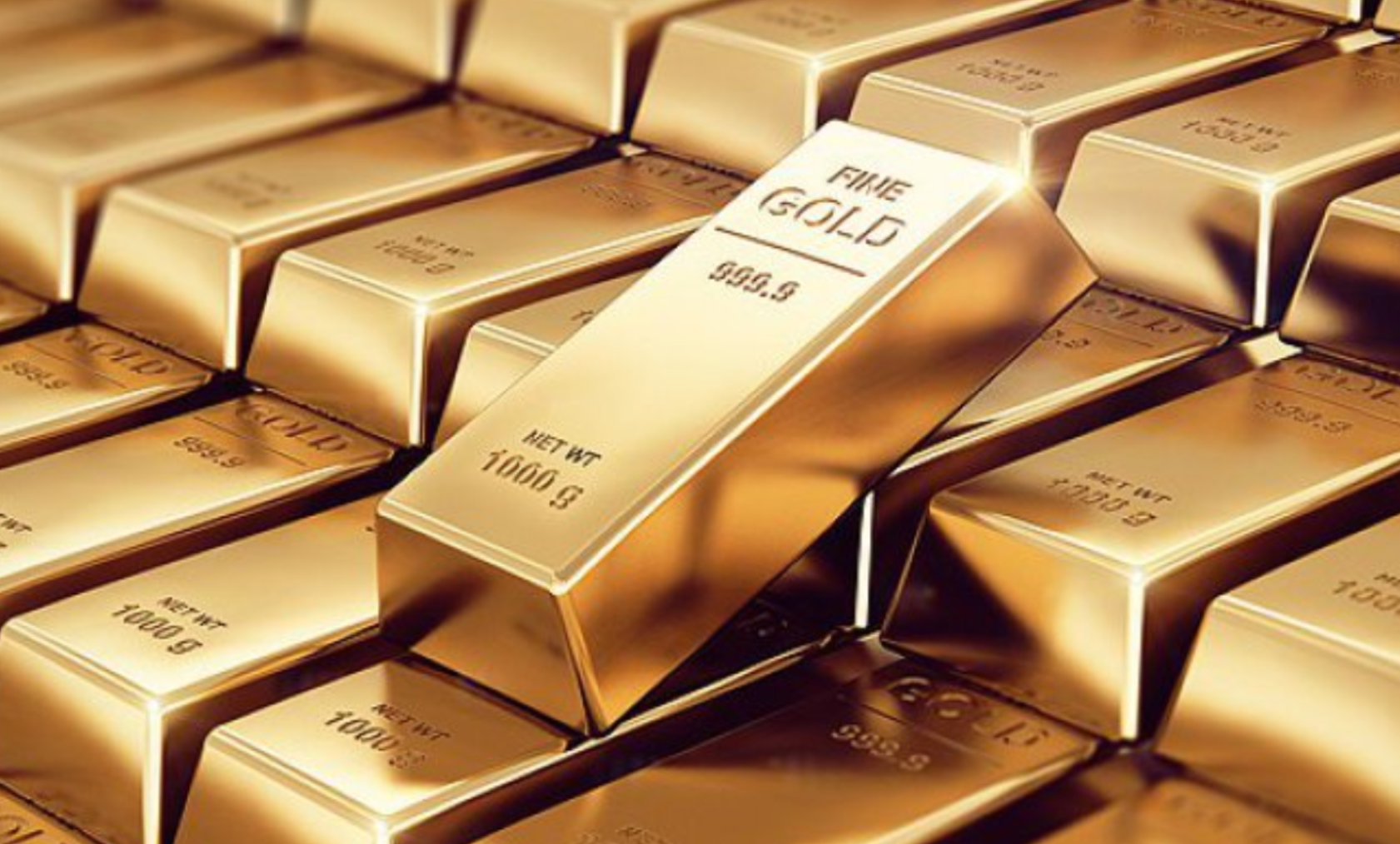
Since the beginning of 2026, Russia has sold nearly 22 tons of gold from its reserves to finance its budget deficit. The figure is 21.772 tons, which, according to the data cited, were sold amid a sharp rise in Russia’s budget deficit, which reached 4.6 trillion rubles by the end of March. This is reported by Russian media, according to
As reported in March by
Whereas Moscow previously actively built up its gold reserves, it has now begun using them as a source of liquidity to cover current budget needs.
How much gold has Russia sold?
According to the data, as of April 1, 2026, Russia’s gold reserves had decreased by 0.7 million troy ounces and stood at 74.1 million troy ounces. In March alone, the reduction amounted to 0.2 million ounces.
Converted, this corresponds to the sale of 21.772 tons of gold since the beginning of the year. Thus, Russia has effectively begun using one of its key reserve assets to plug the budget deficit.
Why is Russia selling gold?
Economic experts believe that this decision may be linked to several factors:
- the need to cover the budget deficit
- an effort to preserve foreign exchange reserves
- taking advantage of high global gold prices
- the consequences of international sanctions
Previously, Russian authorities also used gold from the National Wealth Fund to finance expenditures, but these transactions were internal and did not result in an actual reduction of reserves.
Now, however, we are talking specifically about selling gold on the market.
Has Russia sold gold before?
The last time such a reduction in gold reserves occurred was back in the early 2000s. Over the past decades, Russia has, on the contrary, actively built up its gold reserves in an effort to reduce its dependence on the dollar.
After 2014, Russia significantly increased its gold purchases due to Western sanctions.
What is happening in the gold market in Russia
In March 2026, the volume of gold transactions on the Moscow Exchange increased more than 3.5 times compared to March of last year—to 42.6 tons. Of these, 28.6 tons were swap transactions, and 14 tons were spot transactions.
In monetary terms, the market grew even more sharply—fivefold, to 534.4 billion rubles. This indicates a sharp revival of gold trading in the Russian domestic market.
How Russia Built Up Its Gold Reserves
Russia actively built up its gold reserves between 2002 and 2025, purchasing a total of over 1,900 tons of gold. The largest purchases occurred during two periods:
- 2008–2012 — just over 500 tons;
- 2014–2019 — over 1,200 tons.
After 2020, Russia’s net gold purchases amounted to 55.4 tons. In other words, Moscow systematically accumulated this asset for many years and has now begun to partially sell it off.
Why gold has become so important
In recent years, gold has accounted for an increasingly larger share of Russian reserves, particularly due to its rising value and the desire to diversify assets. According to the data provided, the total volume of Russia’s reserves amounts to nearly $775 billion.
Selling gold provides the Russian Central Bank with two tools at once: obtaining liquidity to finance expenditures and maintaining the desired reserve structure.
Do other countries sell gold?
Analysts note that this practice is not unique. A number of central banks also sell gold to cover expenses, finance defense, support national currencies, or respond to energy shocks.
In other words, for central banks, gold is not only a store of value but also a resource they can use during periods of financial stress.
What will happen to the price of gold
Despite the current decline in prices, analysts believe that long-term demand for gold will not fall significantly. They explain this by the fact that gold continues to be viewed as one of the main alternative reserve assets alongside the dollar.
According to one forecast, the price could return to $5,000 per troy ounce within the next two months. Currently, however, the spot price has fallen to $4,797.79 per ounce amid a strengthening dollar and renewed inflation fears.
What does this mean for the Russian economy
The sale of nearly 22 tons of gold at the start of the year can be seen as a sign of growing pressure on the Russian budget. As previously reported, Russia has officially approved the federal budget for 2026, which calls for record spending on the military and security forces.
If low oil and gas revenues persist and spending remains high, the government will have to either continue drawing down reserves or find new ways to plug the budget gap.
This means that even gold reserves accumulated over the years are not untouchable if the budget situation begins to deteriorate rapidly.
Read us on Telegram: important topics – without censorship