The Verkhovna Rada Committee explained why power cuts seem “unfair” but are unavoidable.
27 January 18:40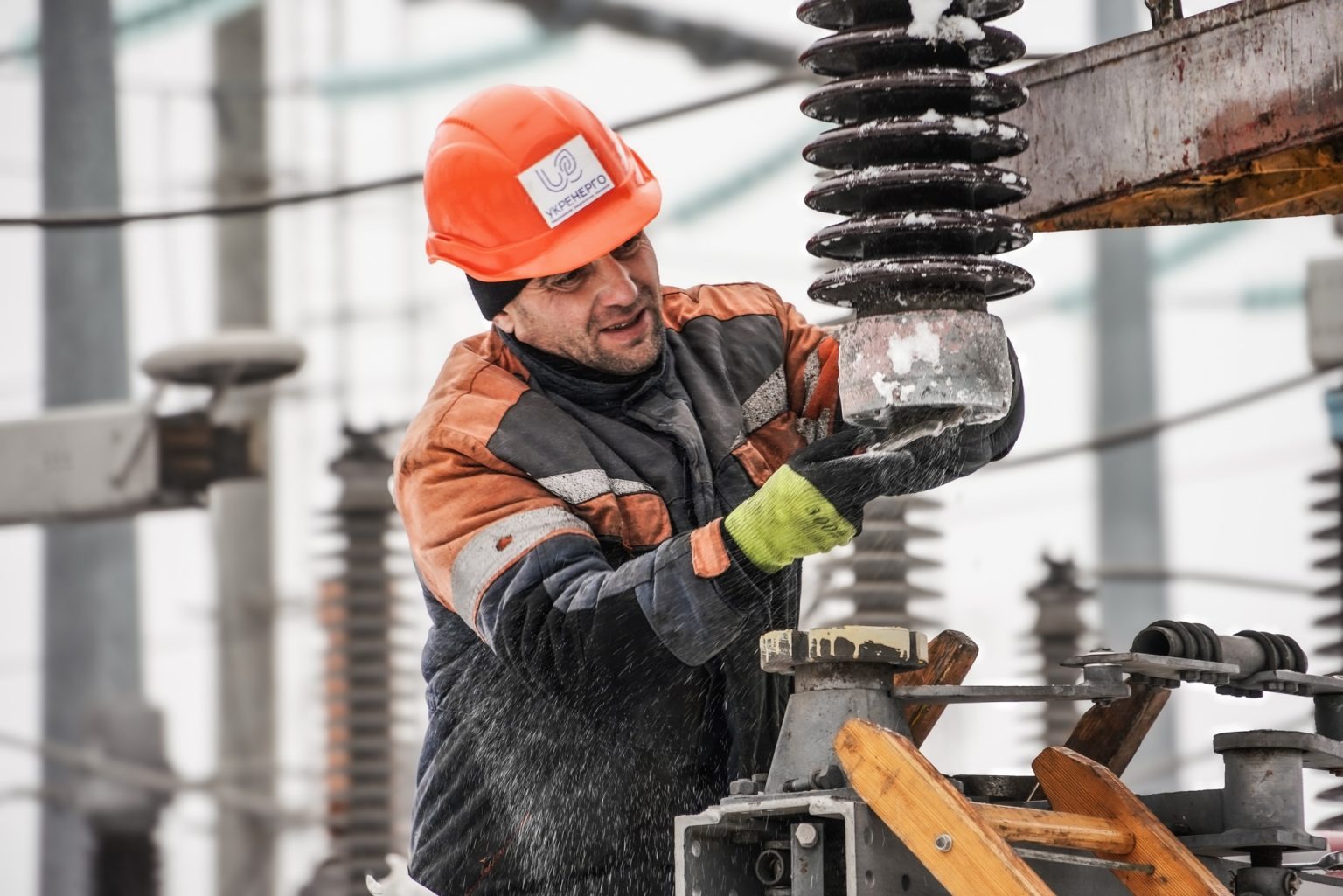
Massive Russian strikes on energy infrastructure have once again exacerbated the problem of blackouts in Ukraine, while simultaneously intensifying a wave of misinformation about alleged electricity exports abroad.
Uneven power cuts, social tensions in communities, and conflicting reports on social media are prompting the public to ask questions: how does the Ukrainian energy system actually work in conditions of shortage, why is electricity not available everywhere at the same time, and is the state doing everything possible to restore and protect critical infrastructure during the war? Who decides on the power outage schedules and how? What role do nuclear power and imports from the EU play? Is the government investing enough in alternative power generation and protecting energy infrastructure from further attacks?
Why are power cuts “unfair”?
The key problem with the current blackouts is the technical complexity of distributing scarce resources both between regions and within individual cities and communities. Explains in a comment
“In fact, it is very difficult technically to distribute scarce resources between regions and within regions today. This is because there is a list of facilities that are critical to the country’s functioning,” explains Sergey Nagornyak.
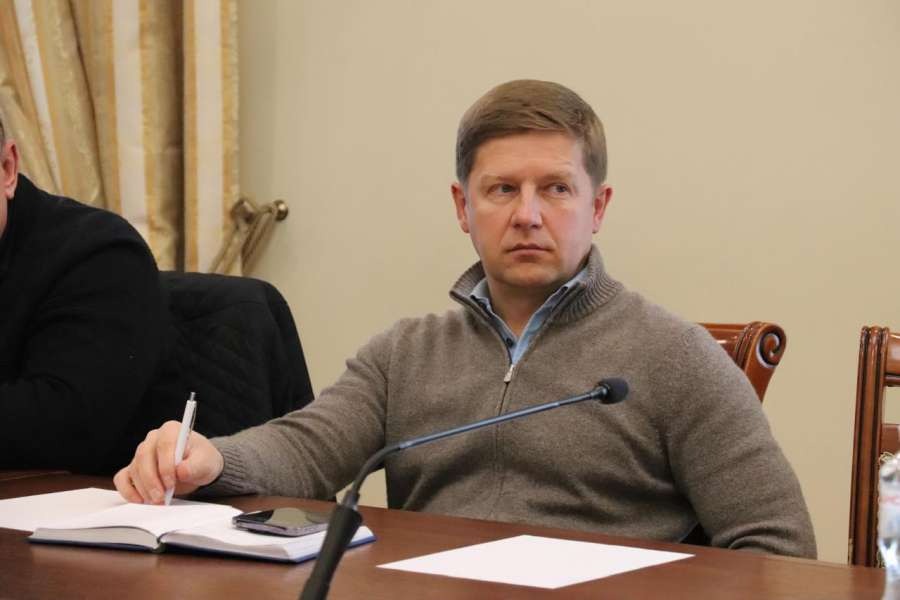
These facilities include hospitals, schools, kindergartens, military-industrial complex enterprises, bakeries, and dairy production facilities. All of them have critical infrastructure status and must receive electricity continuously.
However, the problem is that these facilities are physically connected to the same power lines as residential buildings and other businesses.
“These facilities are not in space. They are located on specific streets, and private households or other enterprises are connected to the same line. Physically disconnecting them so that only the hospital has power, but not the 100-200 houses on that line, is a very difficult, expensive, and time-consuming process,” says Nagornyak.
This is why we see situations where one street has power and the next one doesn’t.
“Cut off your neighbor”: social tension during blackouts
The deputy cites an example from his majority constituency in the Cherkasy region.
“At the end of December and beginning of January, there were many requests to ensure that hospitals were not cut off according to the schedule. I worked with the government, the prime minister, the energy minister, and the regional energy company, and this issue was resolved. Now, no hospitals are being cut off; they operate 24/7,” says Nagornyak.
However, another problem arose after that.
“Residents of the village of Lysyanka started calling and saying: on the street where the hospital is connected, the lights are on in the houses — this is unfair, turn off the hospital too,” says Nagornyak.
According to Nagornyak, Ukrainians are generally willing to put up with inconveniences, but often only on the condition that everyone around them does the same.
Is Ukraine selling electricity abroad today?
A separate issue is the fake news about electricity exports, which is actively spread during each wave of blackouts. Obviously, this is Russian disinformation, but it spreads very quickly.
“As of now and over the past month, not a single kilowatt of electricity has been exported to European Union countries. Absolutely not a single kilowatt. That’s the end of the story,” said Sergey Nagornyak.

The reason is simple: shortage. Under these conditions, we cannot export a single kilowatt of electricity, the deputy emphasizes.
Instead, Ukraine imports electricity from the EU.
“This is like commercial imports — private traders buy electricity in the European Union and sell it on the Ukrainian market, as well as imports for their own consumption by state and private enterprises,” explains Nagornyak.
Nuclear power remains the key producer of electricity in Ukraine.
“Today, the number one generator is Energoatom, which produces most of the electricity consumed in Ukraine,” he notes.
Alternative generation and emergency purchases: is the state doing everything it can?
Against the backdrop of new Russian attacks on energy infrastructure and prolonged power outages, President Volodymyr Zelensky called on the government to act more quickly to restore electricity and heat, especially in the capital. According to him, special attention should be paid to the Darnytskyi district and other areas on the left bank of Kyiv. The head of state made this statement after receiving reports from officials and law enforcement agencies.
In particular, the president instructed officials to check the actual state of readiness of the capital’s social infrastructure to operate in conditions of prolonged power outages.
“I have instructed that all reports on the readiness of social infrastructure, schools, and support centers in Kyiv be checked to ensure that they are truly working for the people,” Zelensky said.
Zelensky also tasked the government with urgently assessing the possibility of purchasing equipment for alternative power generation and heat supply.
Incidentally, Kyiv has already received 130 generators of various capacities from Poland, which, in the context of the energy crisis in Ukraine and the capital, will allow the city to strengthen the level of sustainability of critical facilities and social institutions.
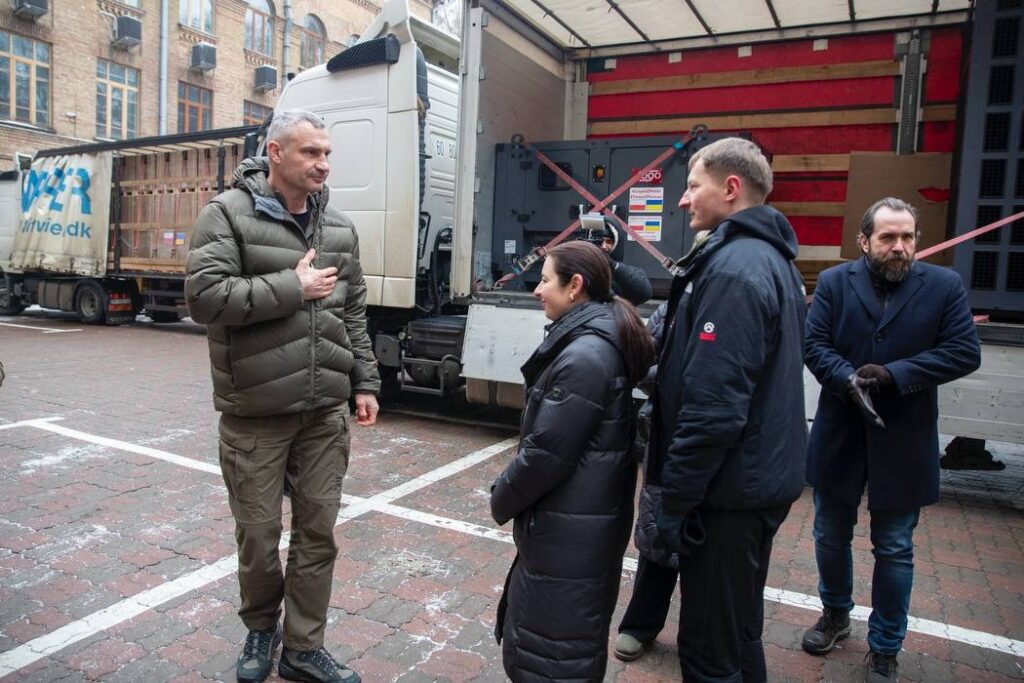
Serhiy Nahorniak, a member of parliament and member of the parliamentary committee on energy and housing and communal services, emphasized that the state is already working at full capacity, as the challenges are nationwide in nature.
“I believe that everything possible is being done to restore heat and electricity supply as quickly as possible in the capital and throughout the country. Because the problems are not only in the capital, but we have problems absolutely throughout the country,” Nagornyak noted.
According to the deputy, additional financial assistance from international partners remains critically important, particularly for key energy companies.
“Additional support from donors will certainly not hurt us right now. And financial support for institutions such as Ukrenergo, companies such as Ukrhydroenergo, as well as thermal power plants and Centrenergo,” Nagornyak said.
The situation with electricity and heat supply in Ukraine increasingly depends not only on the speed of repairs or financing, but also on the ability to protect infrastructure from repeated attacks. That is why the president’s demands to accelerate restoration, alternative generation, and strengthen air defense effectively form a single agenda: to maintain the system in conditions of war of attrition.
Who to trust during the energy crisis
The People’s Deputy calls on Ukrainians to be critical of their sources of information.
“It is important for people to trust verified sources — official government channels, military administrations, and the companies Ukrenergo and Energoatom. Not Telegram channels with unknown owners and unclear intentions,” Nagornyak concludes.
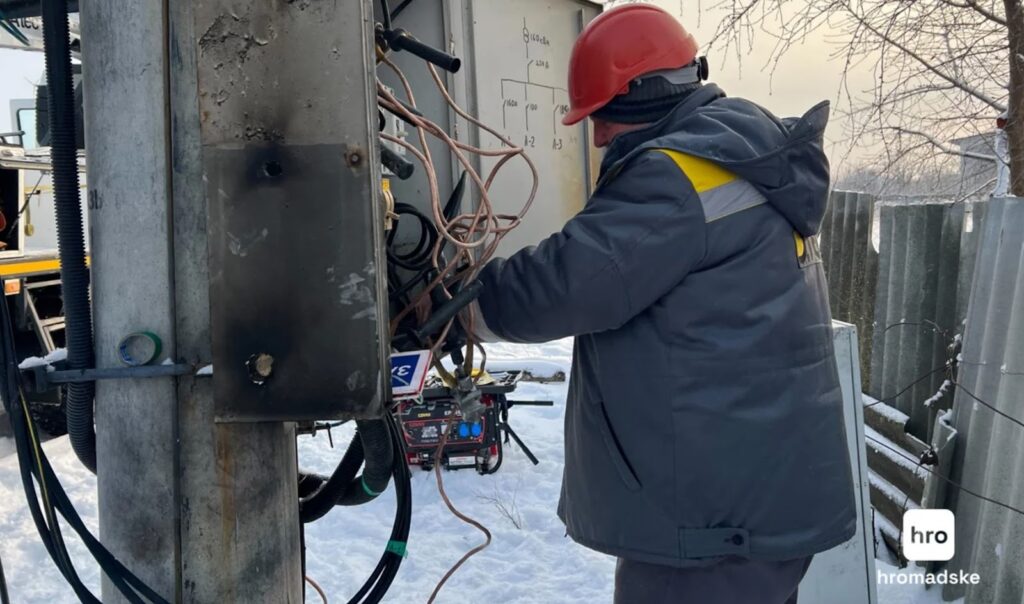
So, the uneven power outages that cause the most outrage in society are not the result of selective decisions or “injustice,” but of technical limitations of the power system operating in conditions of war and constant attacks. The key priority remains the uninterrupted power supply to critical infrastructure facilities — hospitals, military enterprises, and basic production facilities. At the same time, waves of disinformation about the alleged export of electricity only increase social tension and work to the enemy’s advantage. In conditions of scarcity and daily destruction, the stability of the power system depends not only on the speed of recovery and international assistance, but also on the protection of infrastructure and public trust in official information.